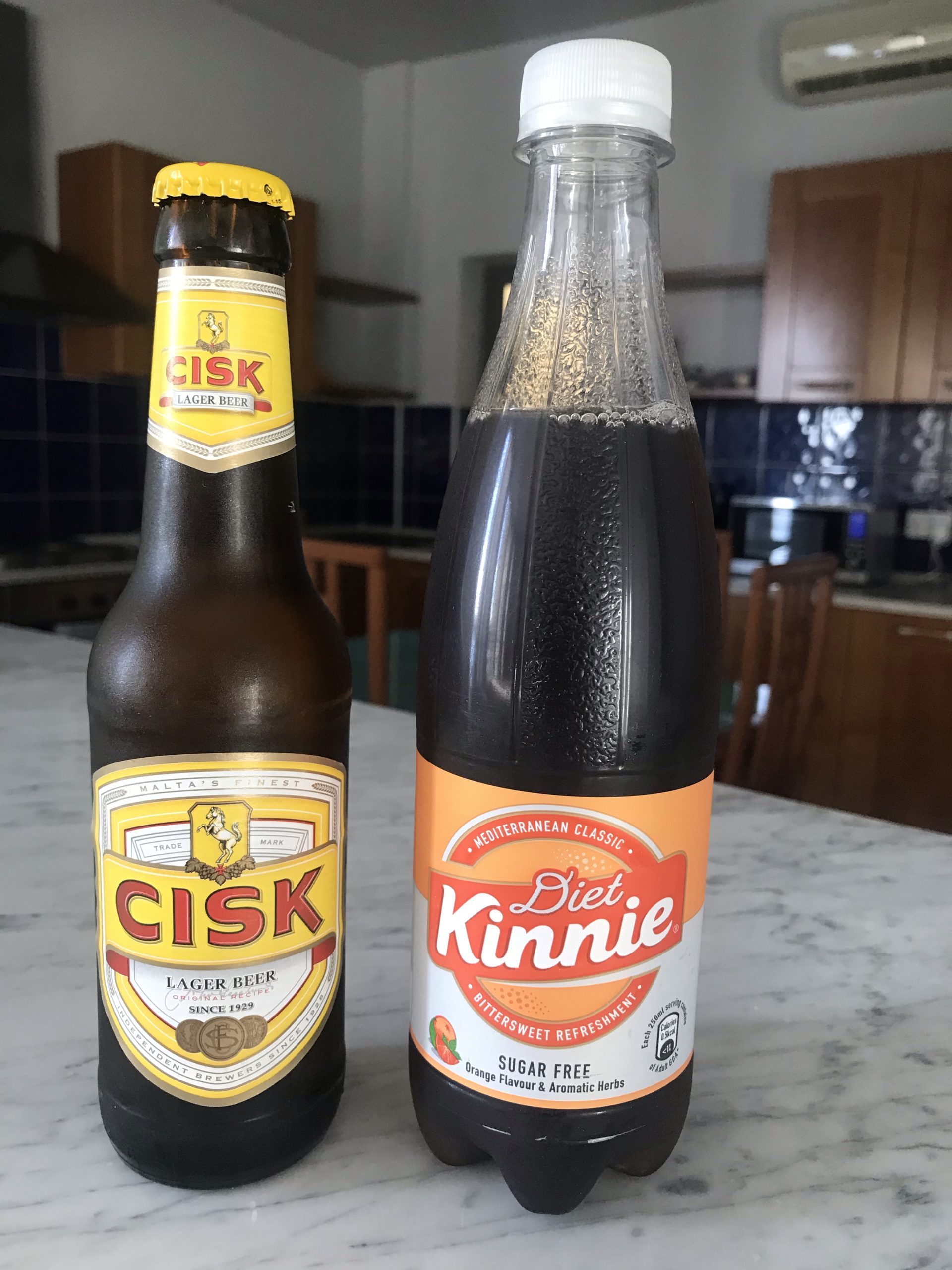
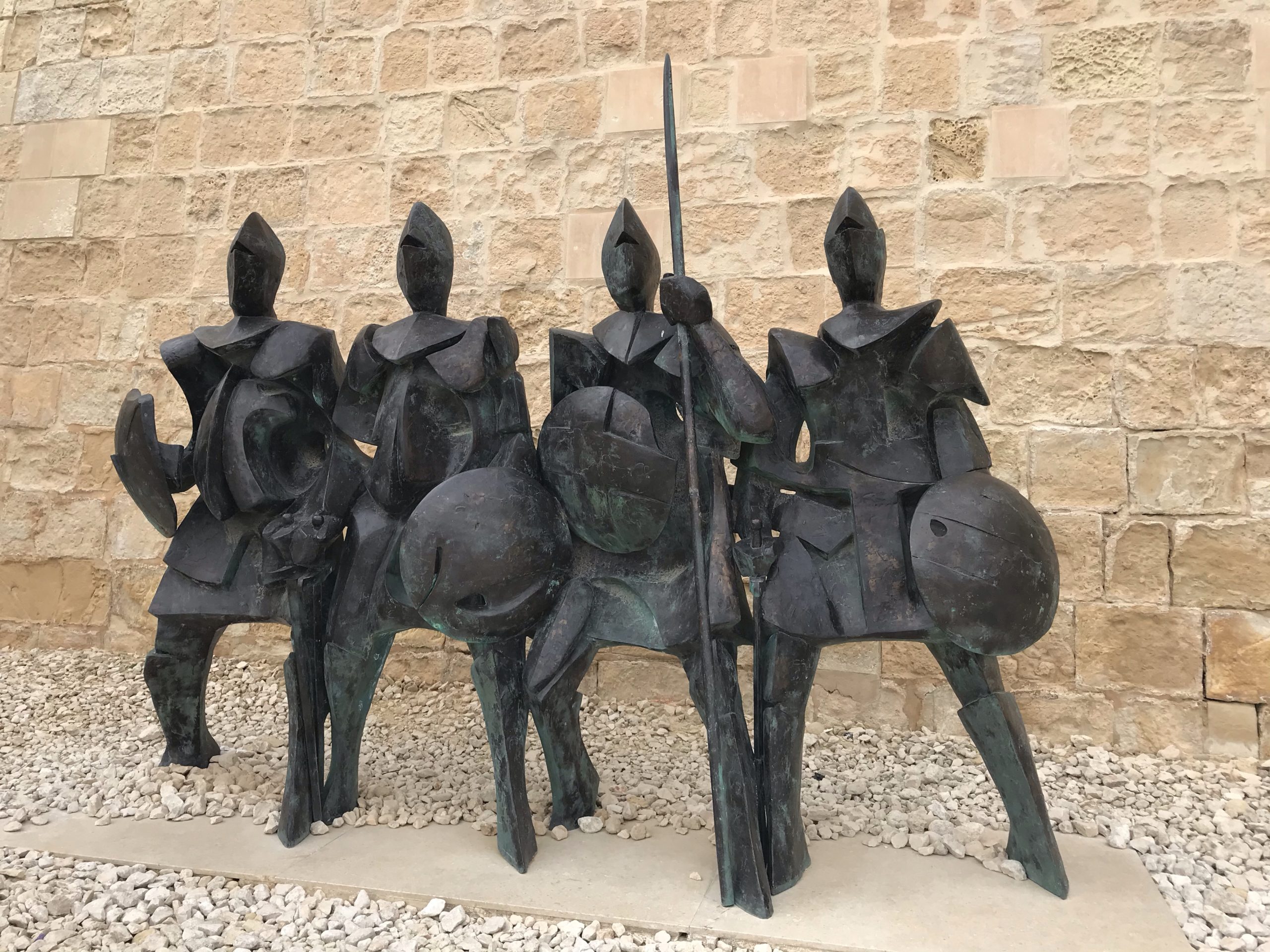
Many of our days in Malta have been sort of serendipitous. We start out to see one thing and stumble on something even more fascinating. That’s what happened on our final stop in Valletta – we found Fort St. Elmo – guarded by these knights.
From here we had a great view of the harbor and imagined what it must have felt like to defend Valletta from this vantage point;
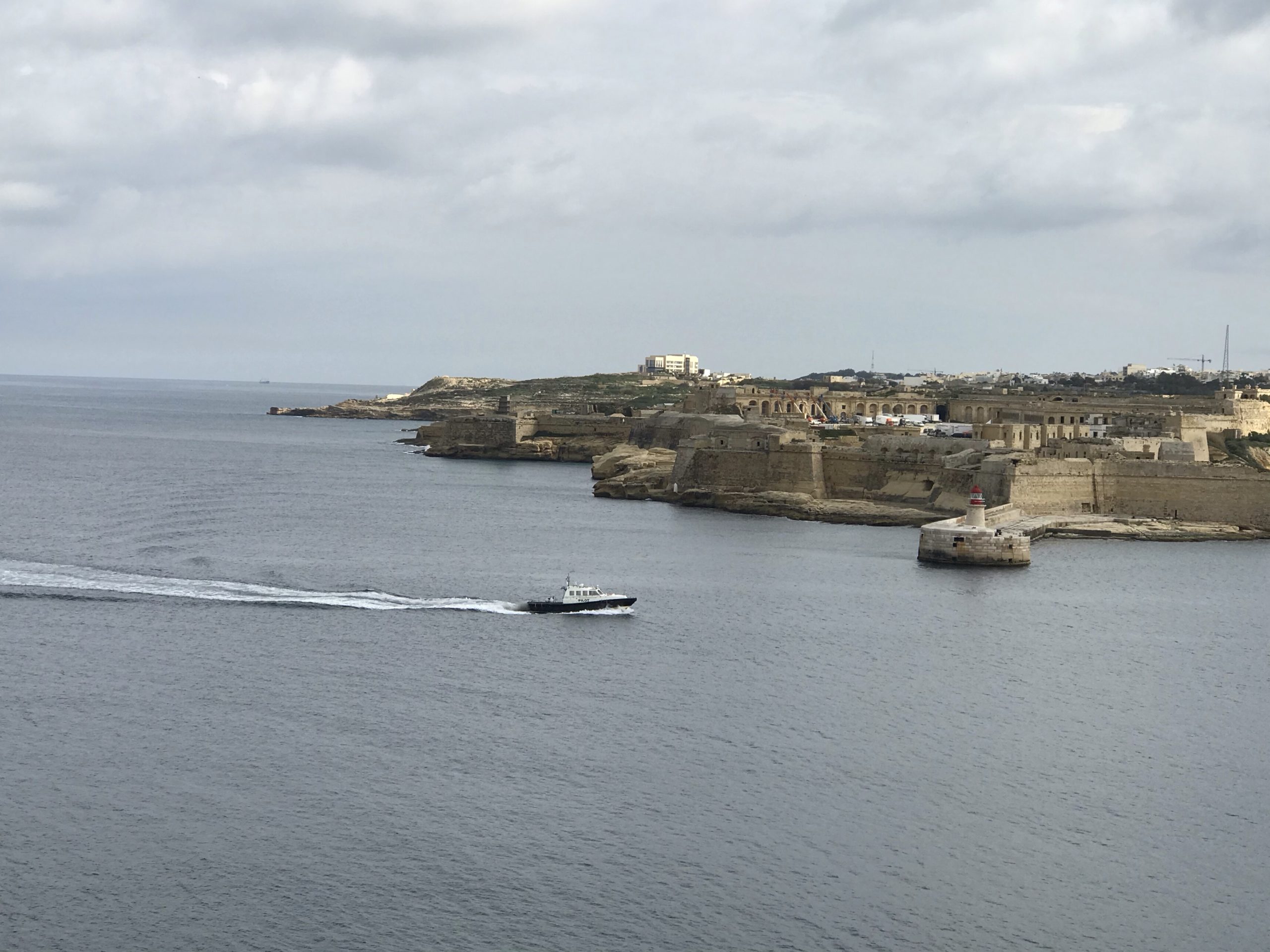
had an excellent history lesson, and a tour of the National War Museum. An afternoon well-spent.
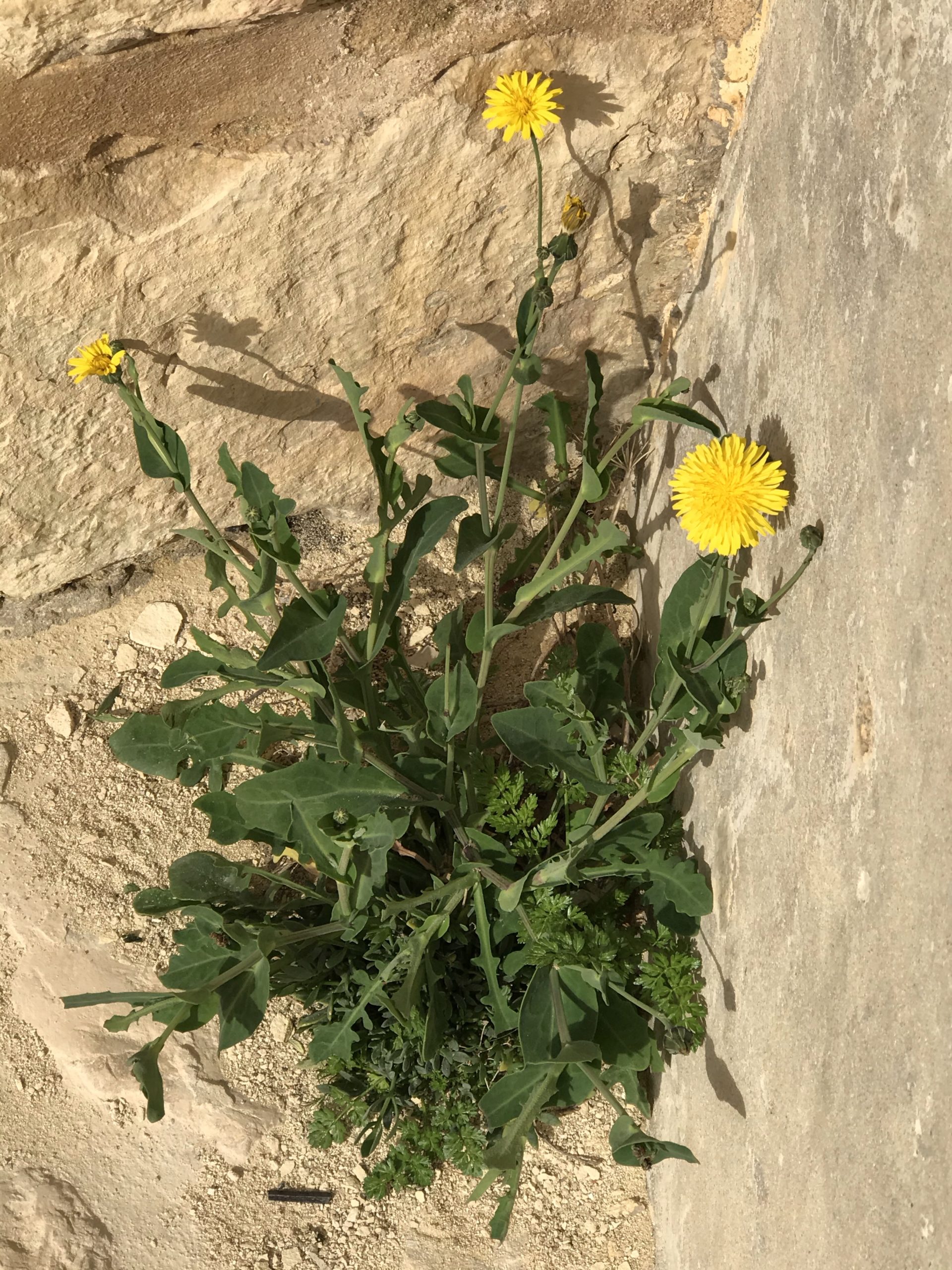
We were fascinated by this persistent dandelion which found a speck of soil in a crack of the old stone fort and blossomed! Cheers!
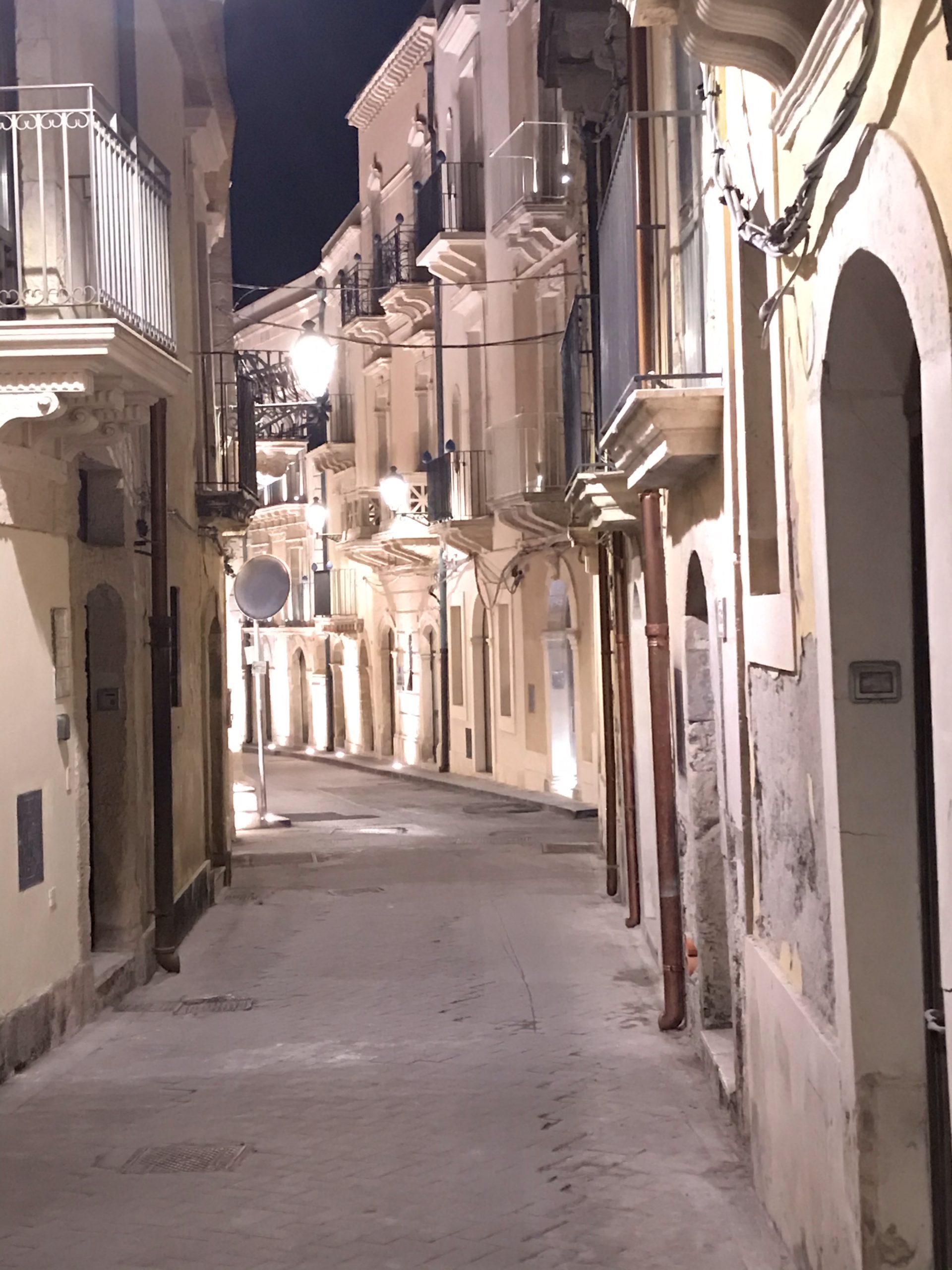
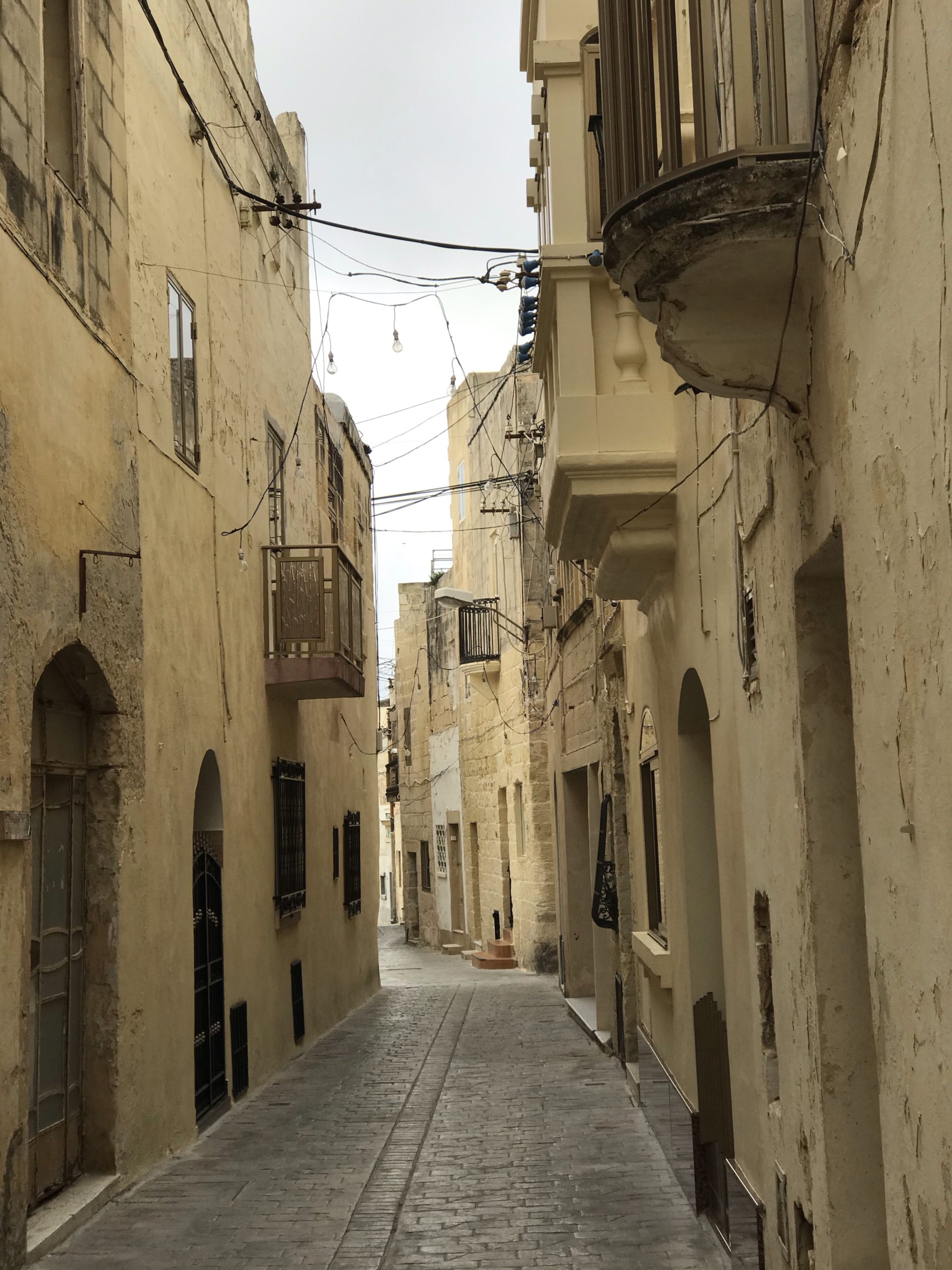
On another day, we roamed around the maze of streets in Rabat.
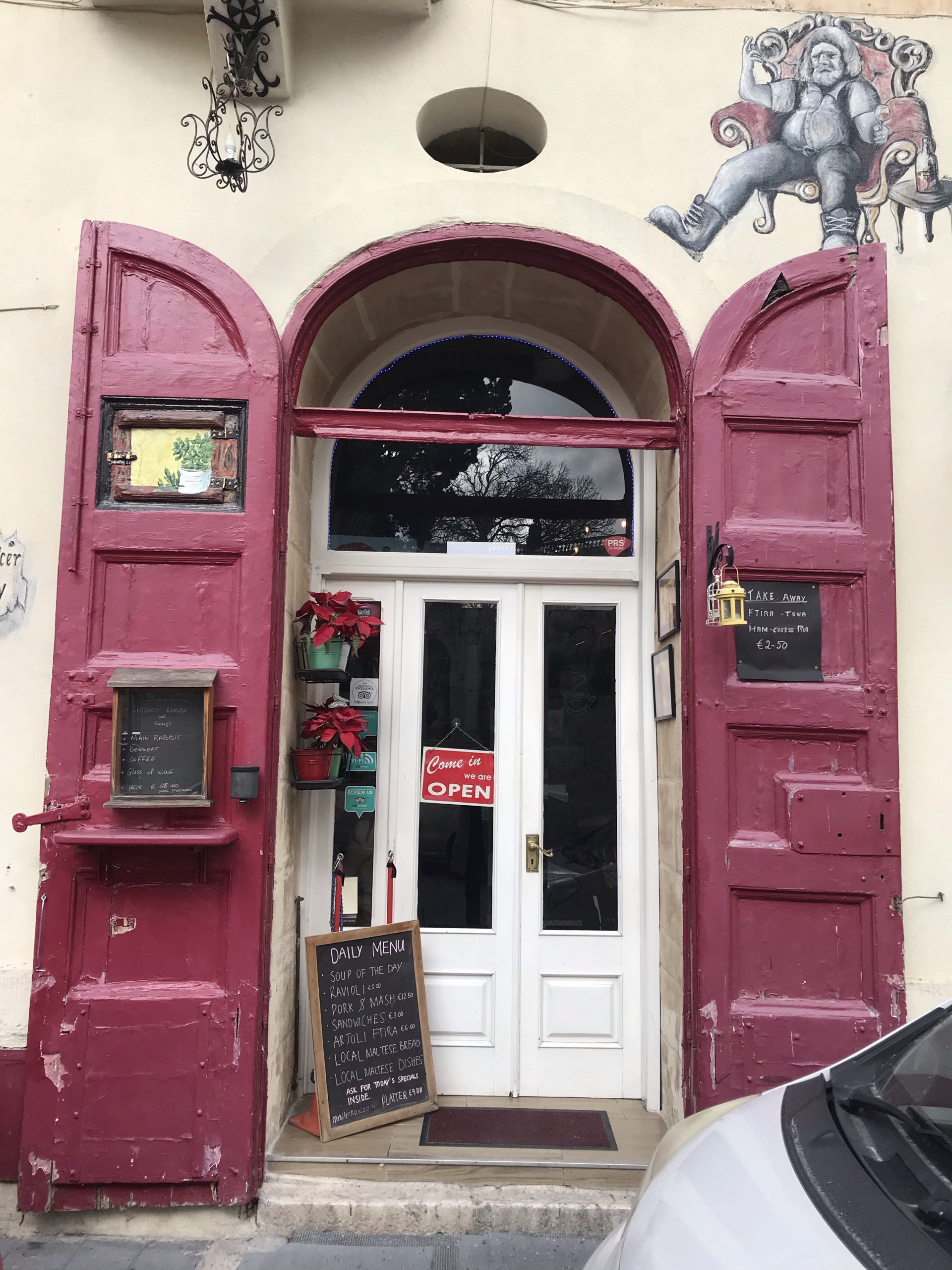
We found a cozy lunch spot at Cafe Il-Baxa,
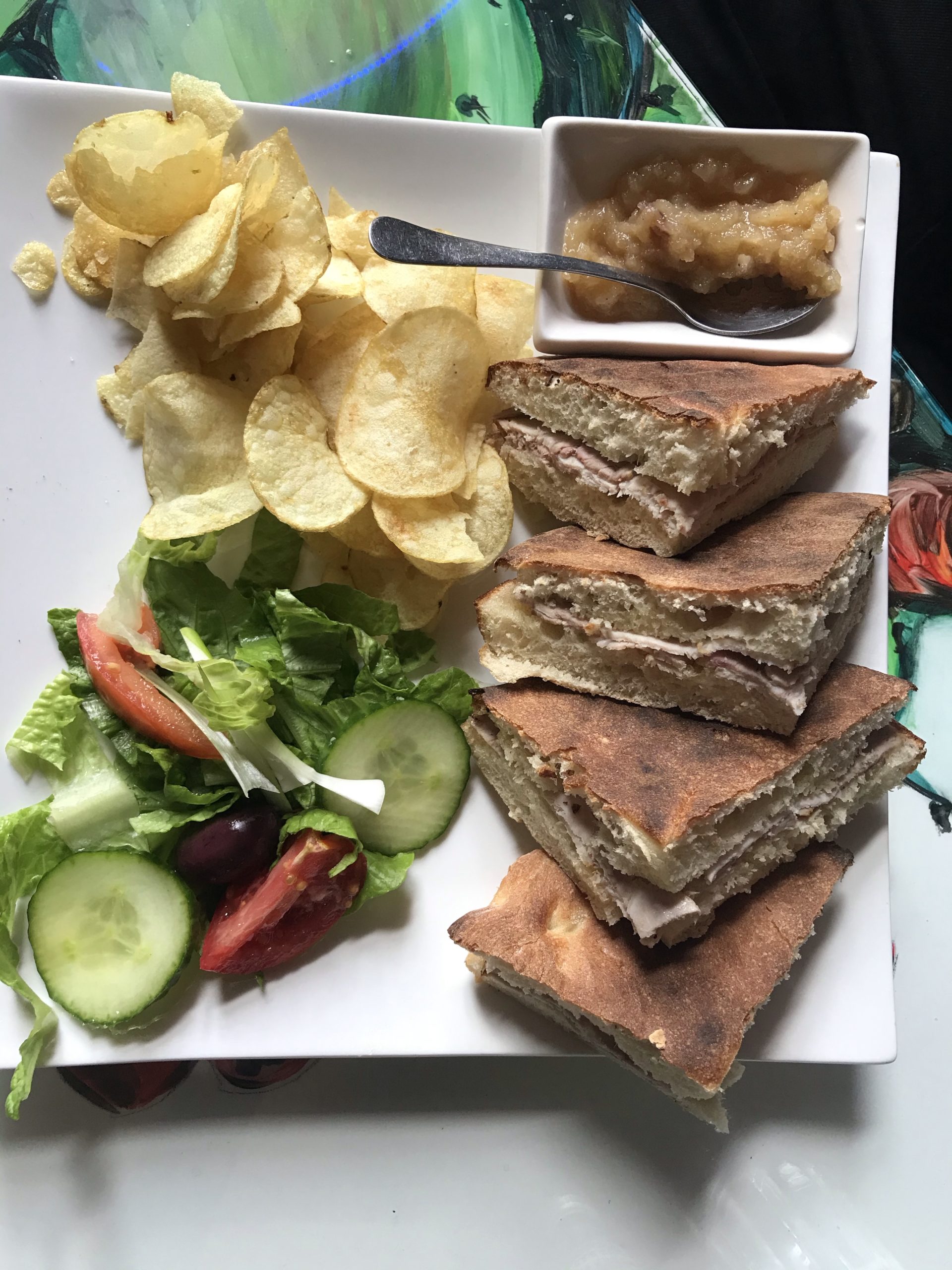
and ate a delicious, traditional sandwich called ftira (translates to “bread with oil”) plus a filling of pork or tuna.
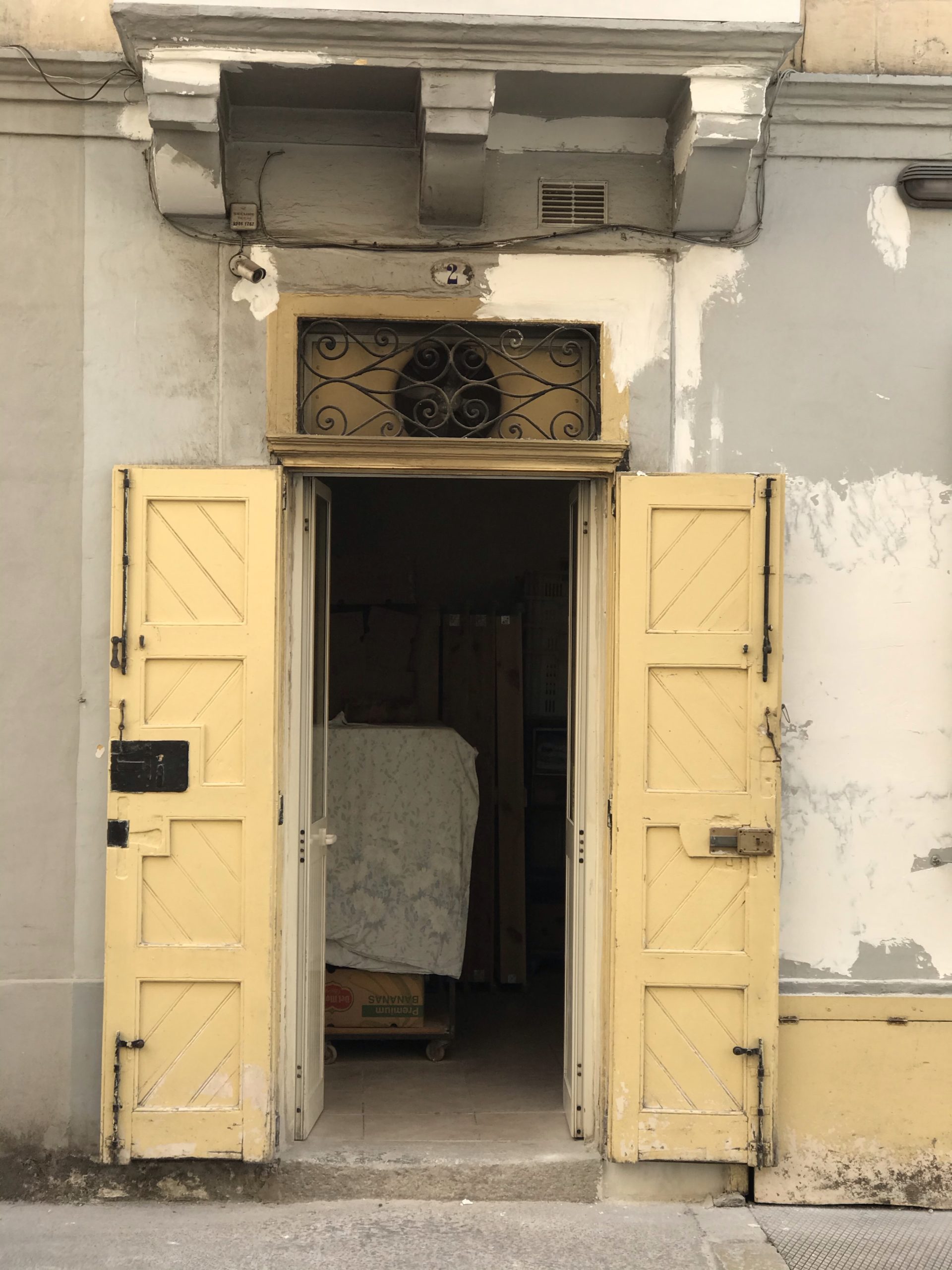
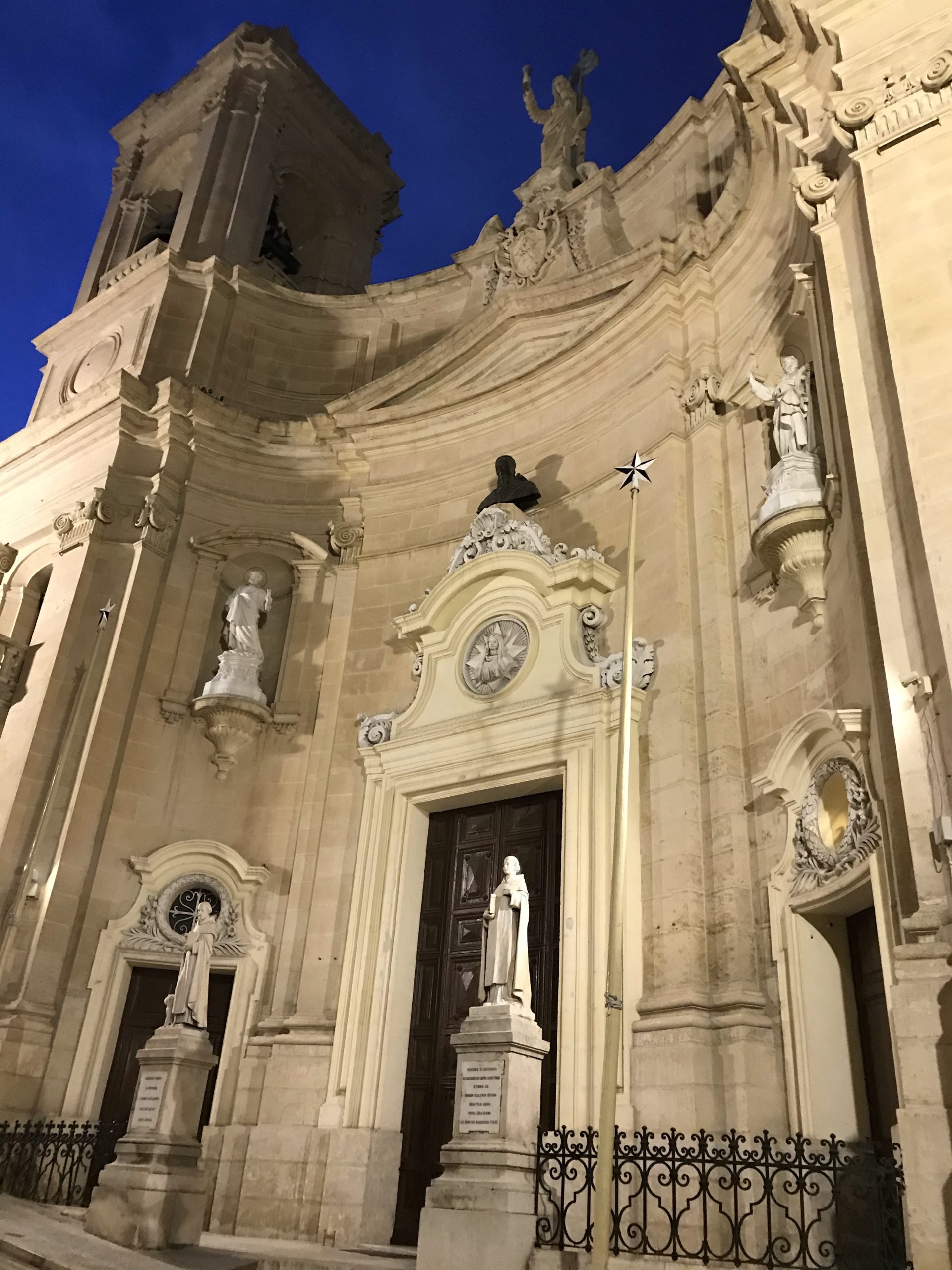
We’re reflecting on our time here – someone we met along the way described Malta a “yellow” country – referring to the color of the many stone structures. We agree.
Here are a few facts we found interesting:
- The alphabet has 30 letters.
- There are over 365 churches on the Maltese Isles.
- There are 3 UNESCO World Heritage Sites.
Larry wrote this after our two weeks here in Malta:
“The Maltese people are hard to describe. Physically, they look a lot like Italians, but with a little Greek and North African thrown in. Of course, like most places, a lot of people are immigrants. The first “Maltese” we met was our ride share driver, a young man from Naples who said that he came to Malta to learn English. The second person we met was a hotel clerk who was actually Serbian.
Malta has two official languages, Maltese and English. Maltese is a Latinized variety of Arabic. It uses a Latin-based alphabet which, to me, resembles the Turkish alphabet. About half of the vocabulary is borrowed from Italian and Sicilian, and it has a smaller amount of loan words from English and French, so it sounds a little like somebody speaking Italian with an Arabic accent.
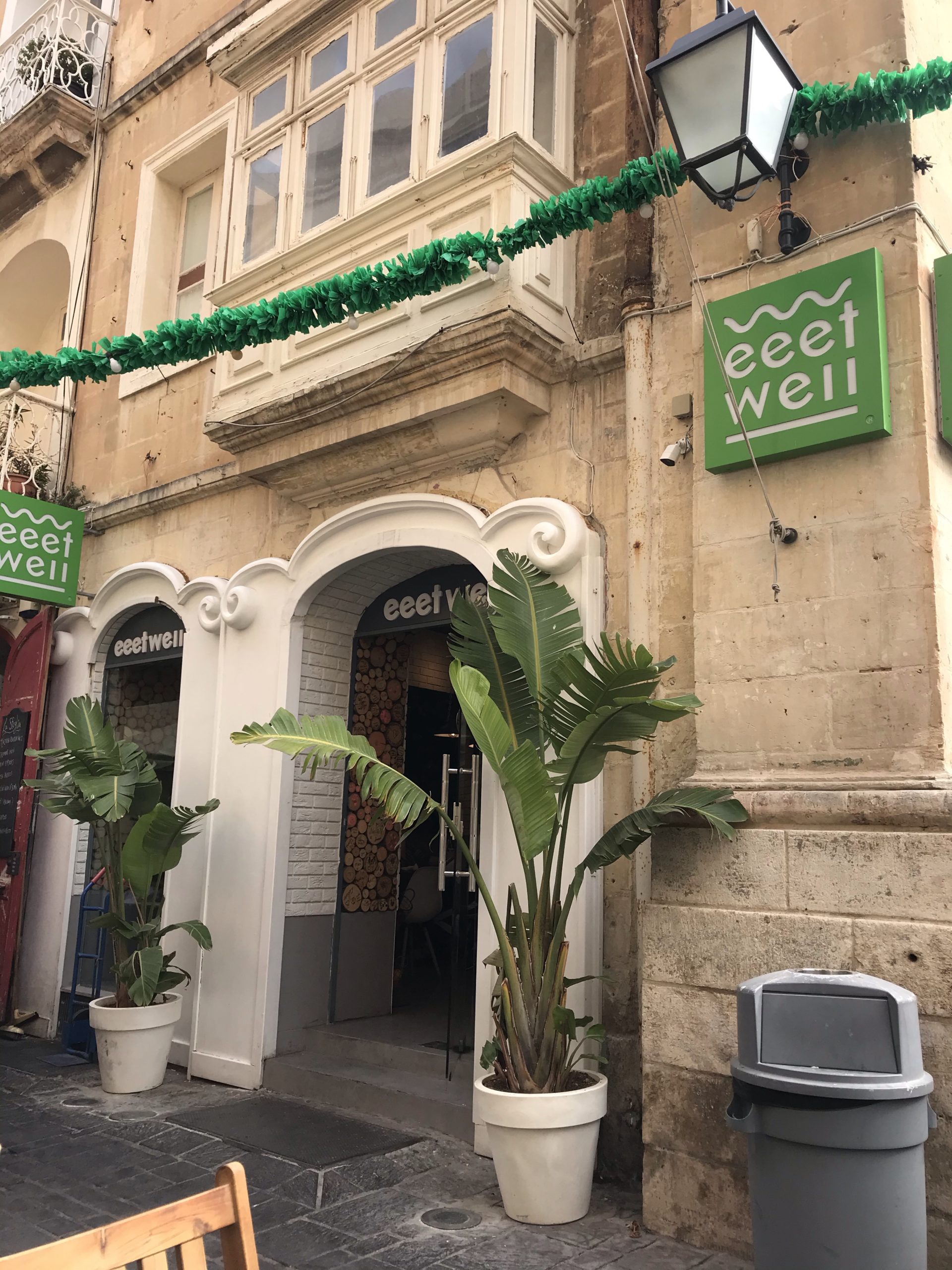
It appears that Maltese is the first language for most people here, but English is almost universally spoken, but with varying degrees of facility. Business uses (signage, etc.) favor English, but can be in either language.
This makes for a nice situation for a native English speaker. Unlike in most European countries, you don’t have the nagging guilt that comes with conversing with people in English, instead of in the native language. In fact, a native English speaker is in the position of speaking a language that is officially sanctioned, but also speaking it better than the natives!
We’ve been very happy exploring this unique country but it’s nearly time for us to move on.
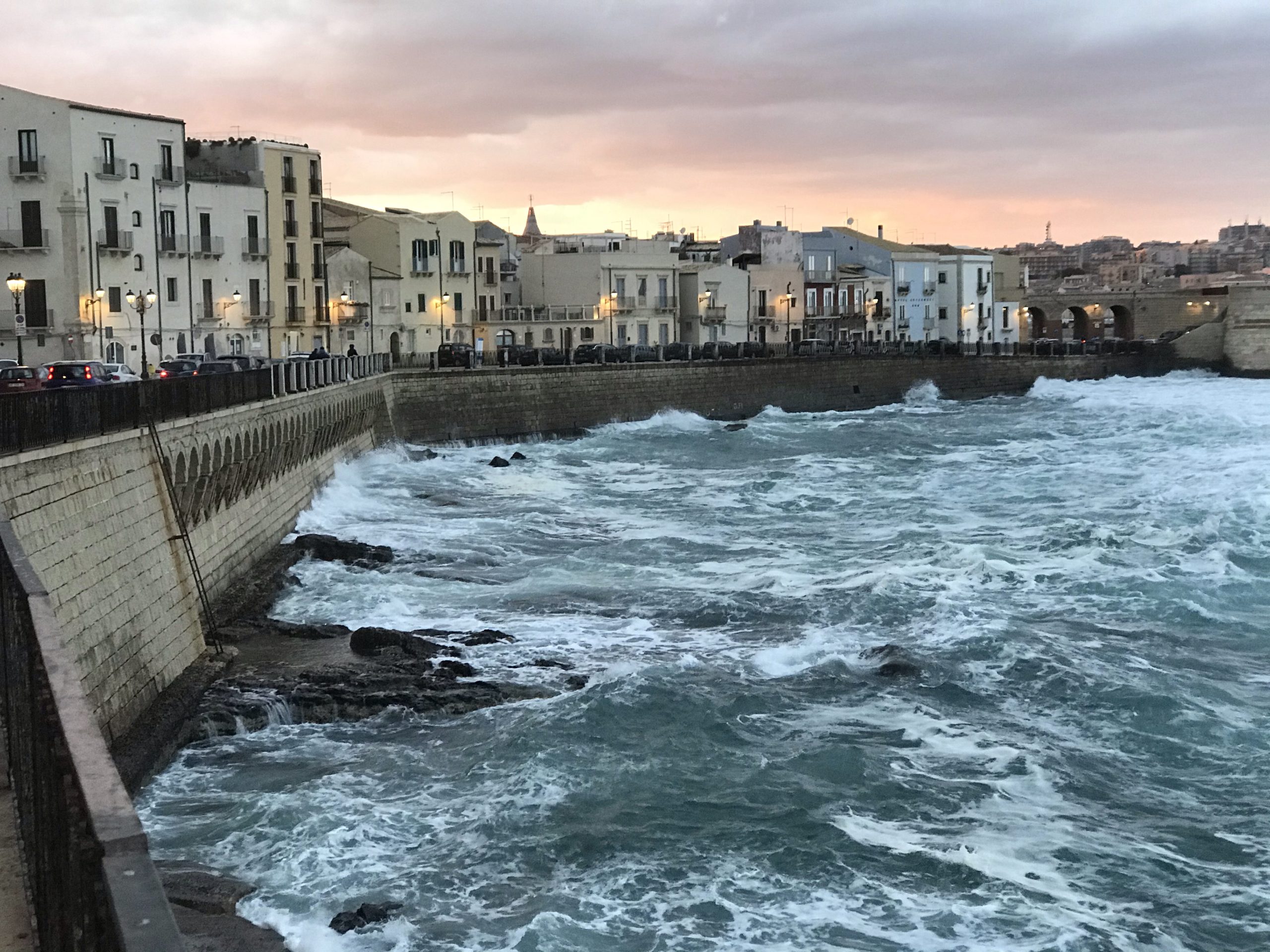
Tomorrow (Monday) we’ll fly 50 minutes north to Catania, Sicily and then we’ll take a bus to Ortygia, Sicily. A place we like very much!
So long Malta – until next time!!
😎😎