Sundays are a festive day here in France! Shops and even many grocery stores are closed, families are out, and today, marathon runners were completing their race to the finish line. To keep with the French traditions, we planned a day at the park. Larry found the perfect place for us to explore and navigated the way. We took the tram most of the way and walked about 15 minutes to the park.
Sunday in the Park
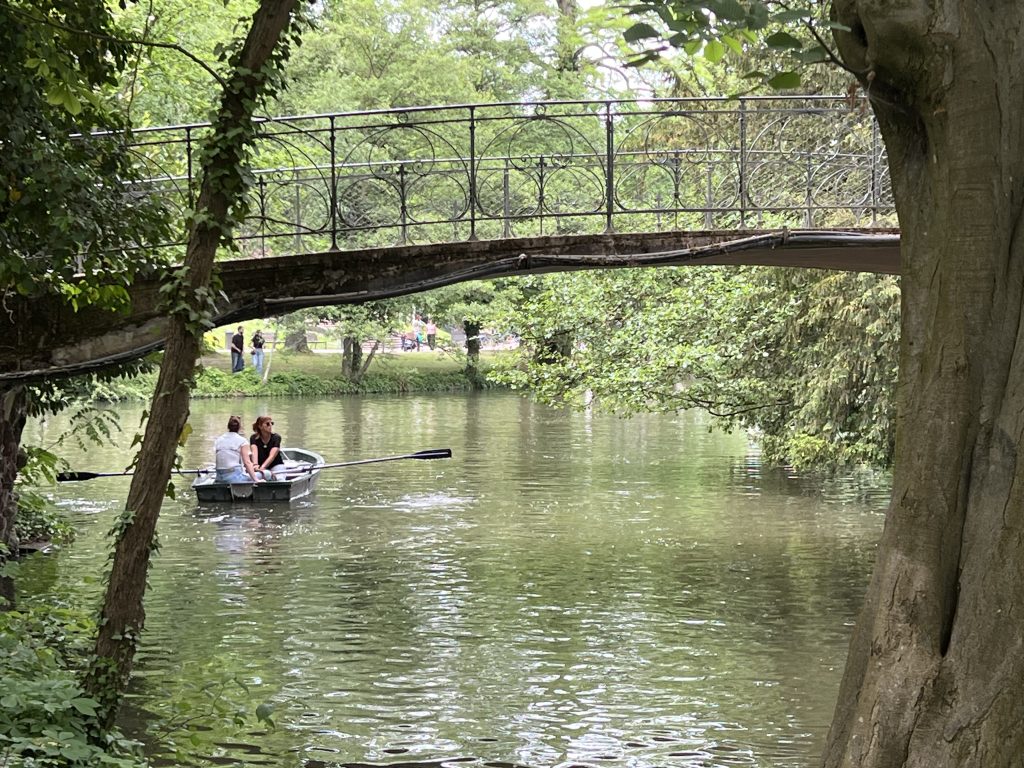
People were in rowboats,
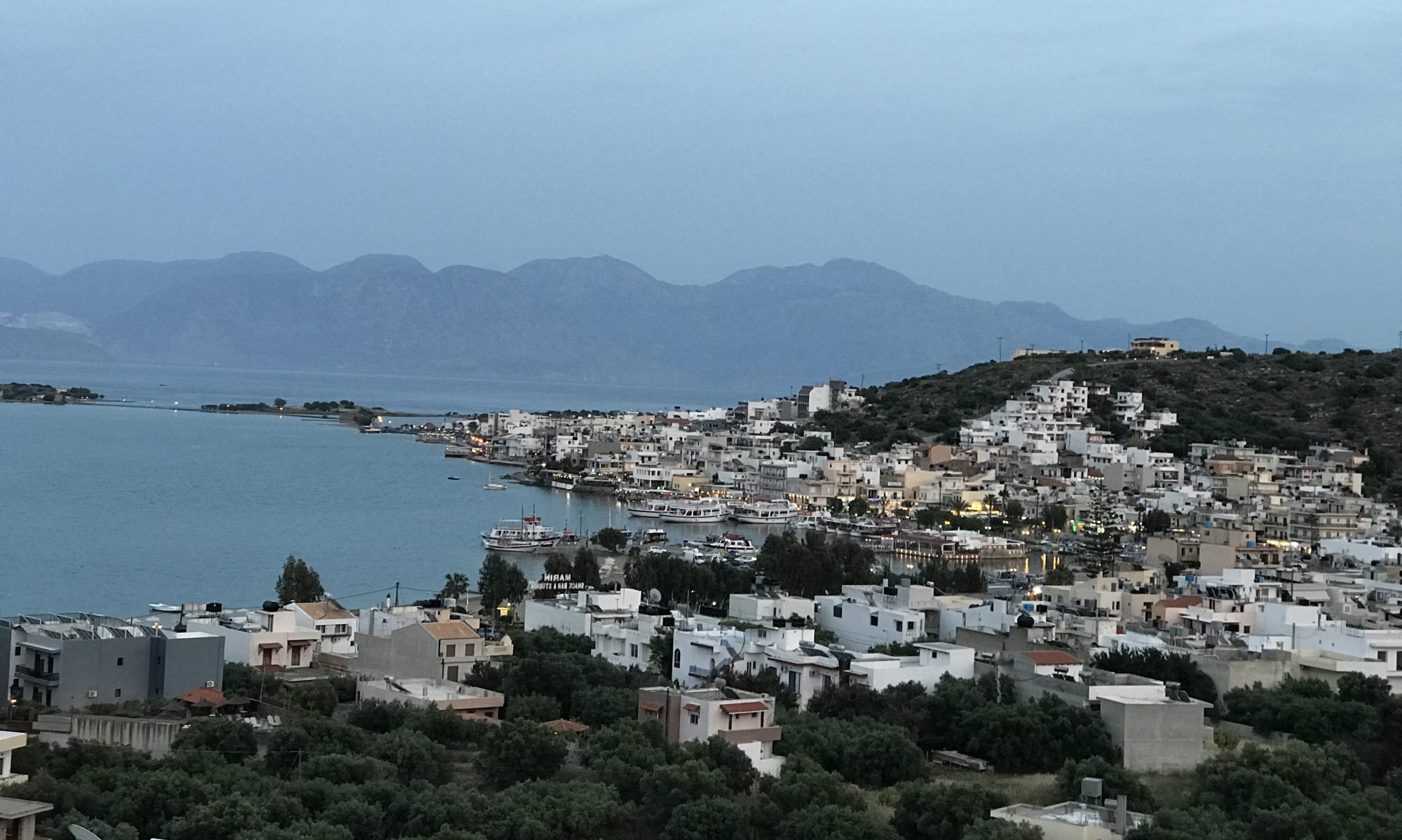
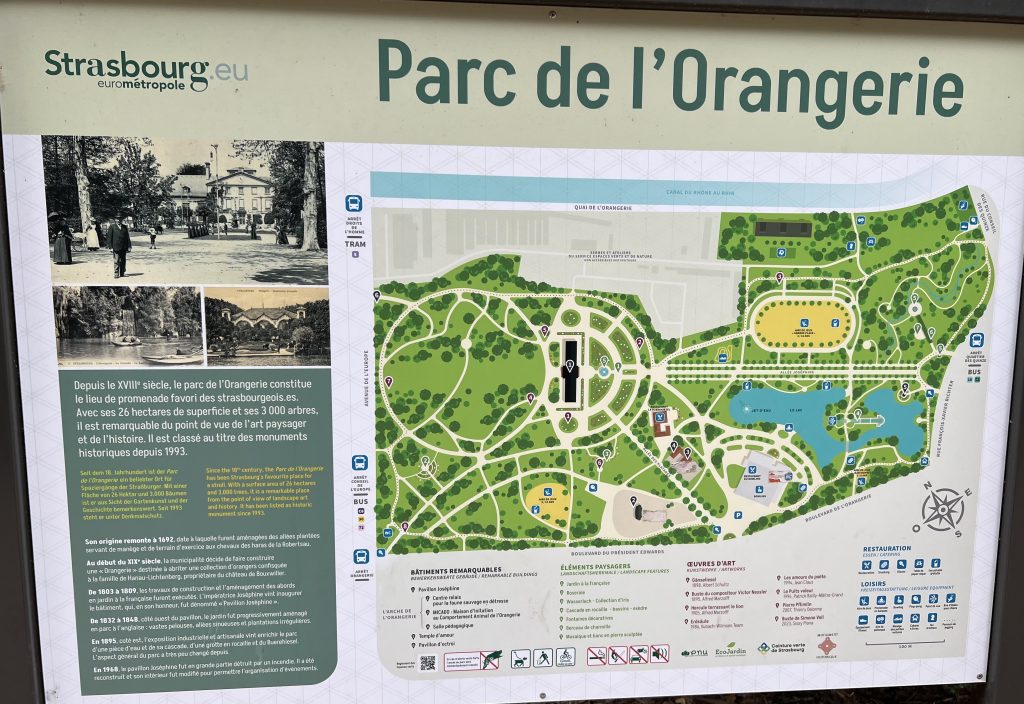
Strasbourg Park
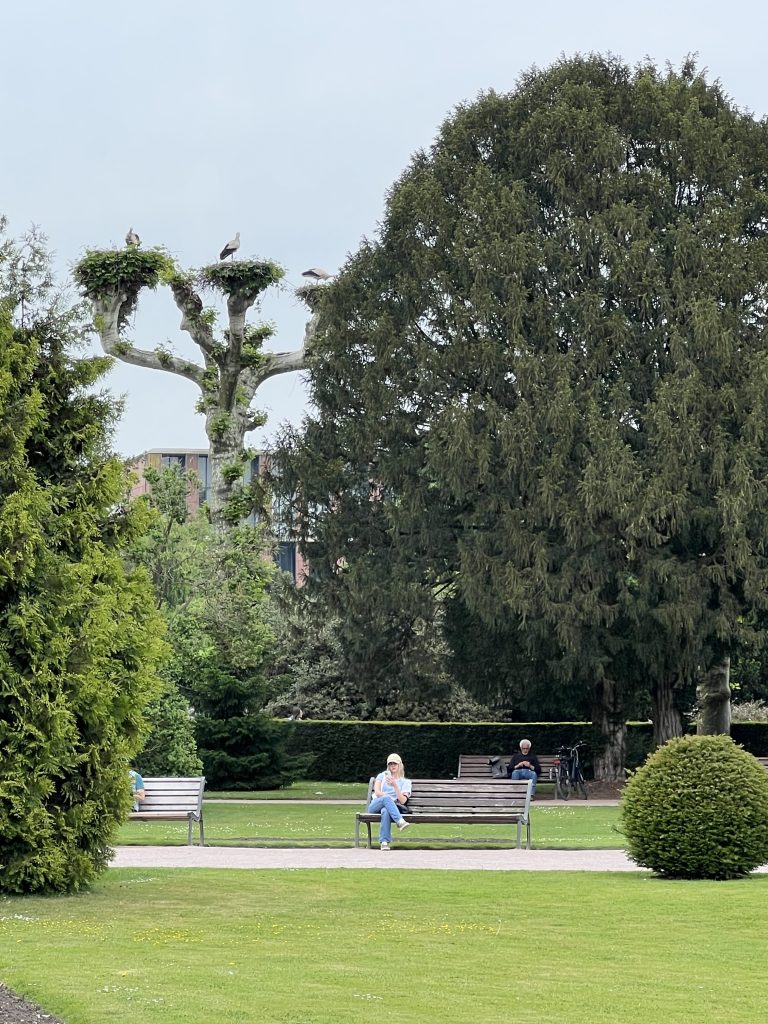
teenagers were playing card games sitting on blankets, families were strolling, some set out tables for a picnic, and everyone was having a relaxed day. The park is known for the number of storks that nest there…we saw many!
Nesting Storks
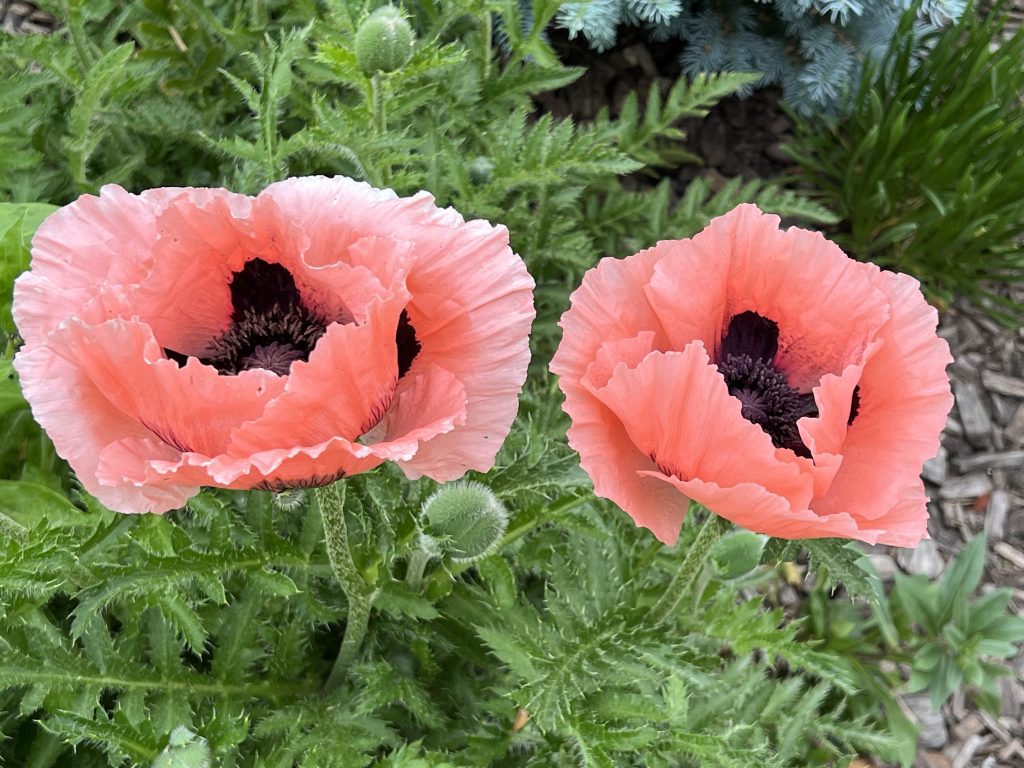
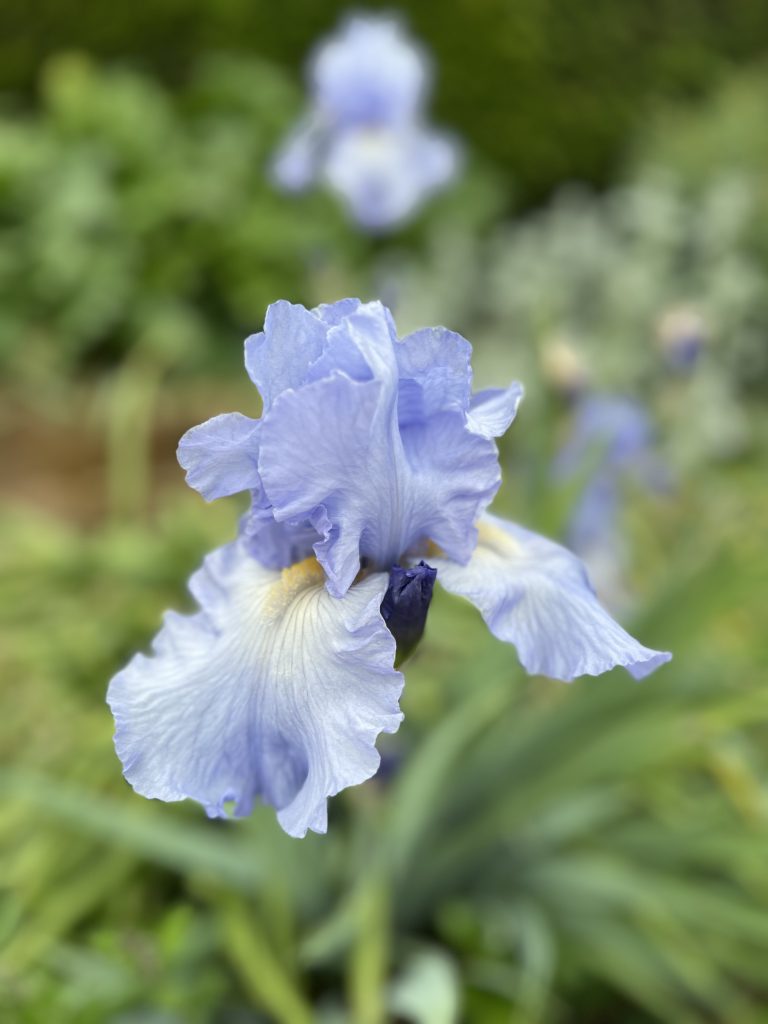
And flowers everywhere!
Pink PoppiesIris
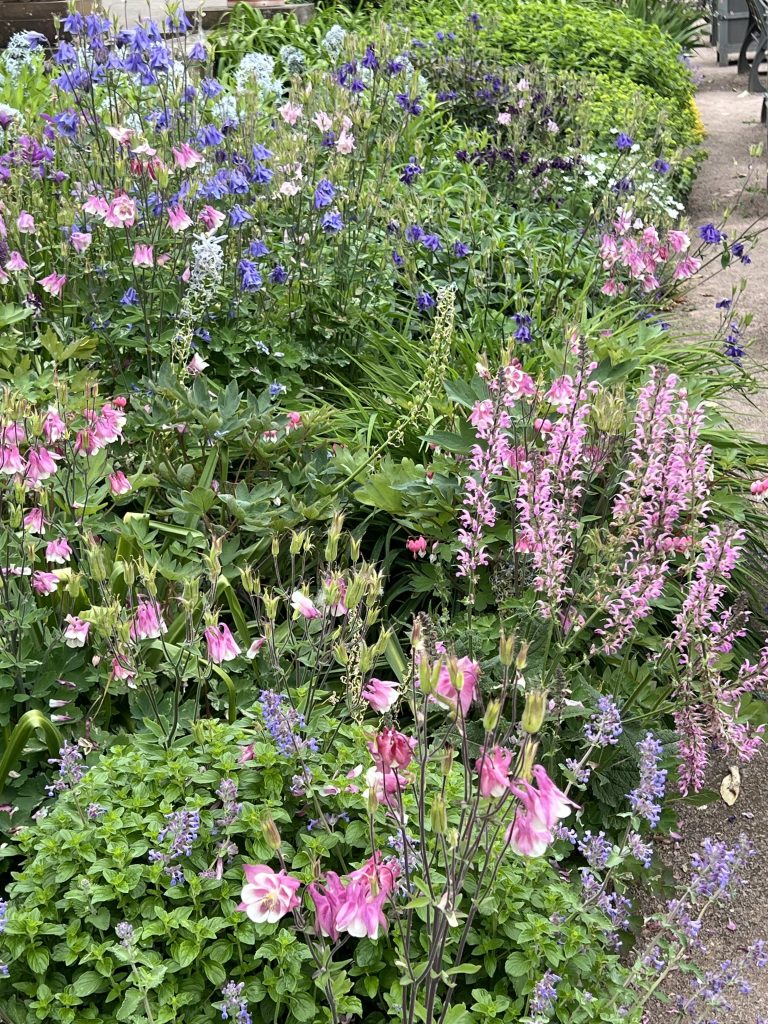
And a border of flowers I’d love to recreate.
Spring Flowers in Strasbourg
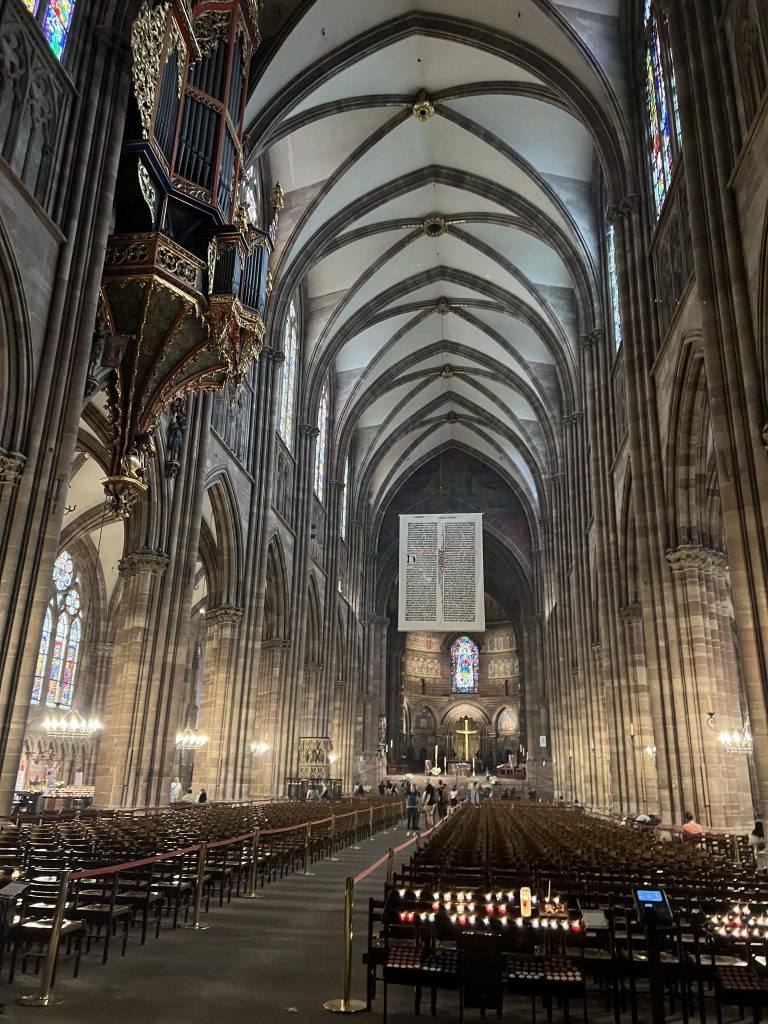
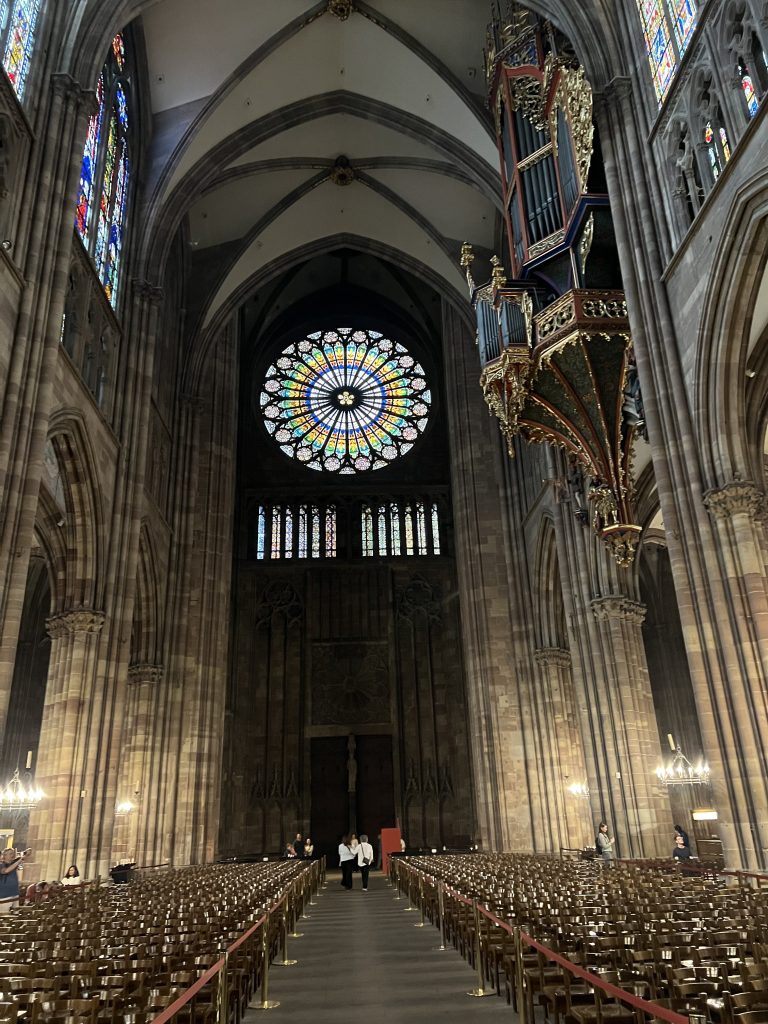
Today is our last full day in France and an afternoon in the park was a great way to spend it. One thing we missed was seeing the spectacular Cathédrale Notre-Dame-de-Strasbourg. Each time we walked by the lines for entry were very long. Late this afternoon a few minutes before it closed, we were able to take a quick look inside.
Strasbourg CathedralStrasbourg Cathedral
Tomorrow we take a 2.5 hour bus trip to Frankfurt where we will spend the night before our flight to Atlanta on Tuesday. It’s been a trip with lots of variety covering parts of Spain, Portugal, France and Germany. We tried to mix in relaxed days with plenty of time to see the main sights. If you’ve been following along…thank you for your interest! We’ve had a great time!
Friday May, 8 is Victory In Europe Day which celebrates the formal surrender of Nazi Germany to the Allied Forces in 1945. Our apartment host in Strasbourg sent us a message the day before to let us know that everything would be closed for the holiday. Larry learned that there is a special group pass for unlimited train travel on holidays and weekends so we decided to buy a train pass and hit the rails heading towards Colmar, France.
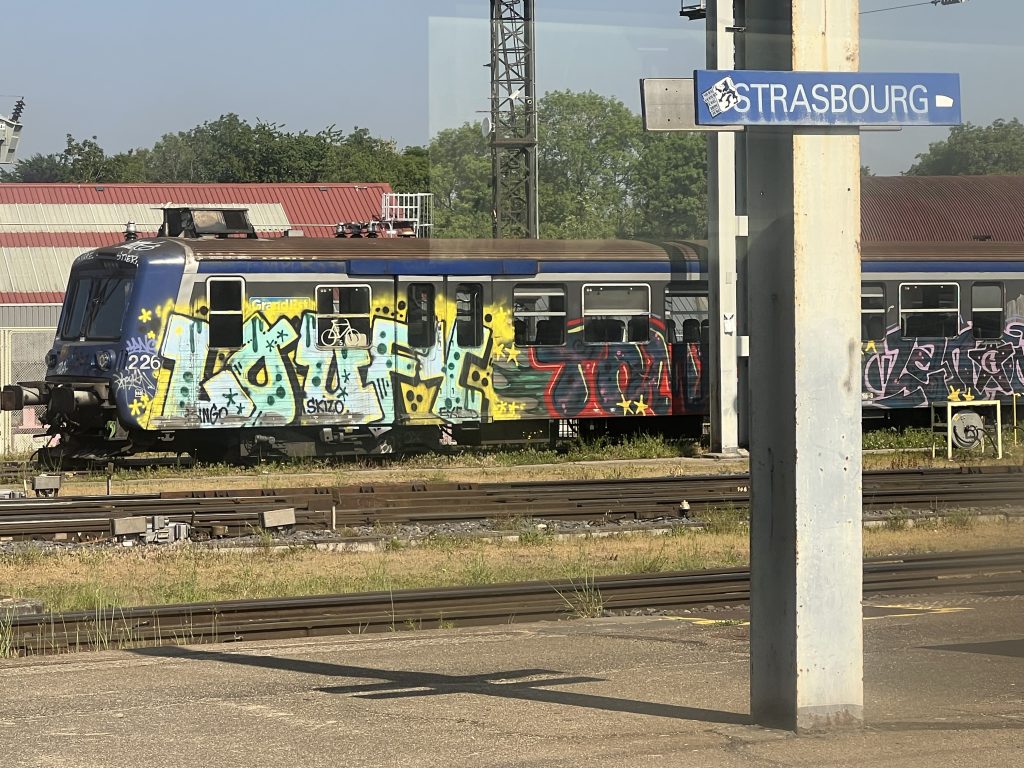
Strasbourg Rail Station
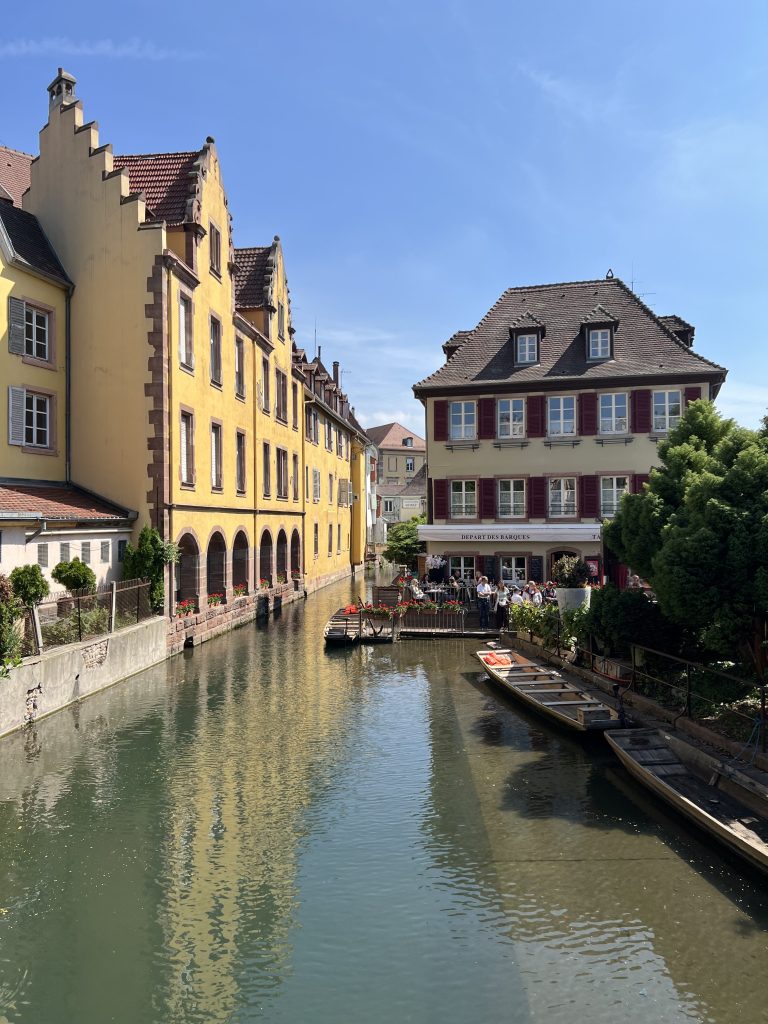
Colmar is about 26 kilometers from Strasbourg. It’s a city that we visited many years ago and we liked very much but, it was winter, frosty and very cold! For this trip, we enjoyed a blue sky day. We walked from the rail station to the city center and didn’t recognize the city as the parks are green and flowers in bloom. It still has the half-timbered houses and the famous canals that give the city the name Petite Venise. It’s a beautiful small city.
Colmar, France
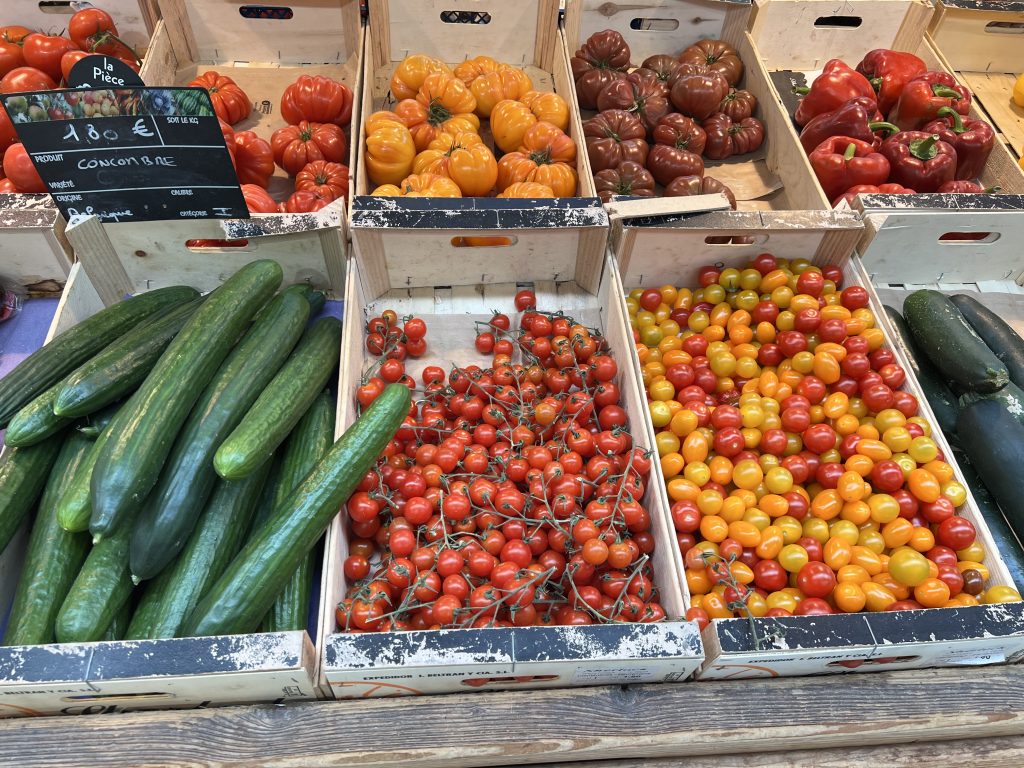
Next to one of the canals is Marche Couvert or Covered Market. It was open, even on this holiday and everything was perfectly displayed.
Tomatoes!
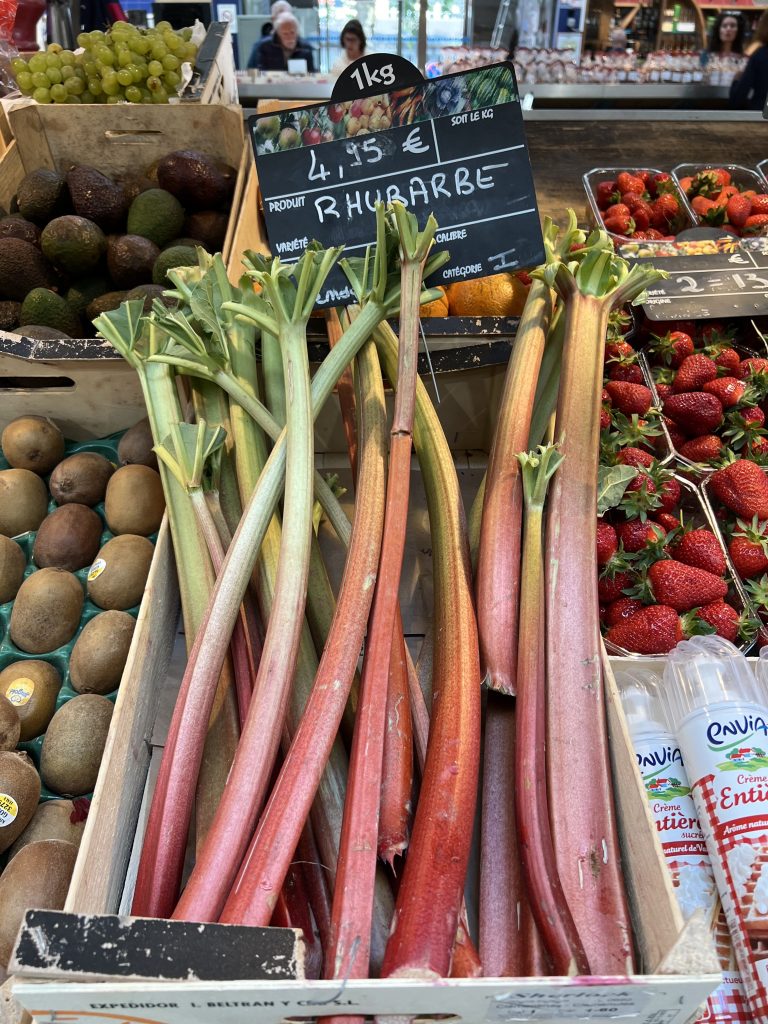
And a sign that it’s spring…
Rhubarb
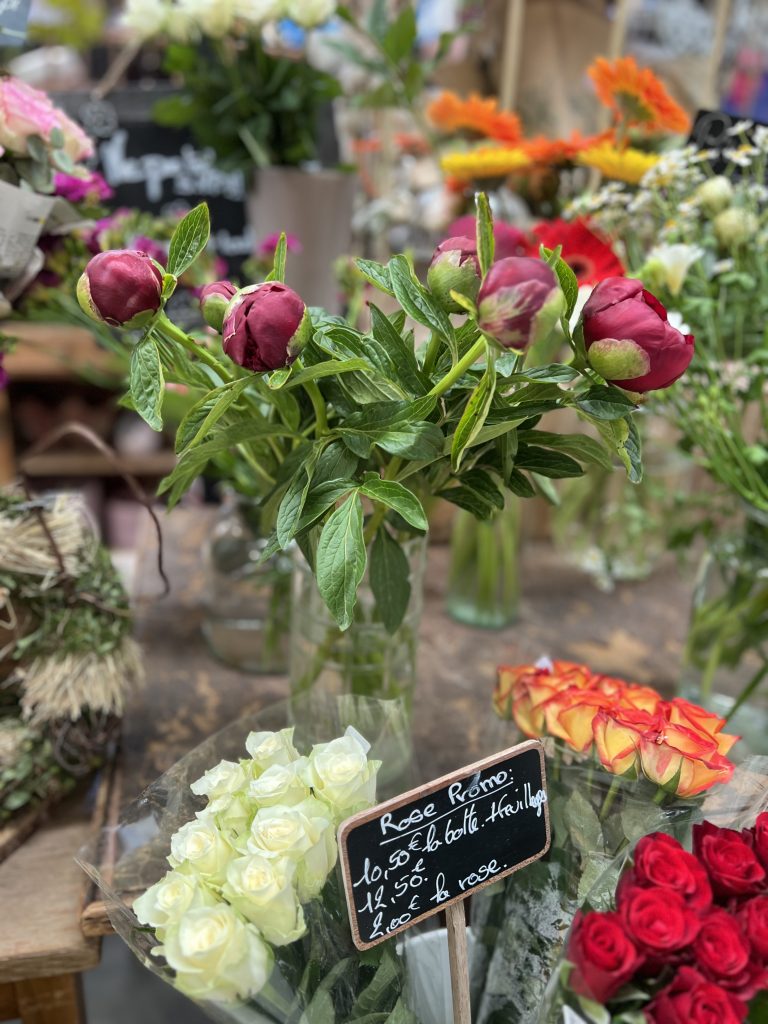
And lovely flower bouquets…one of the things we love most about a French market. This one with peony blossoms…just ready to open.
French Bouquet in Colmar
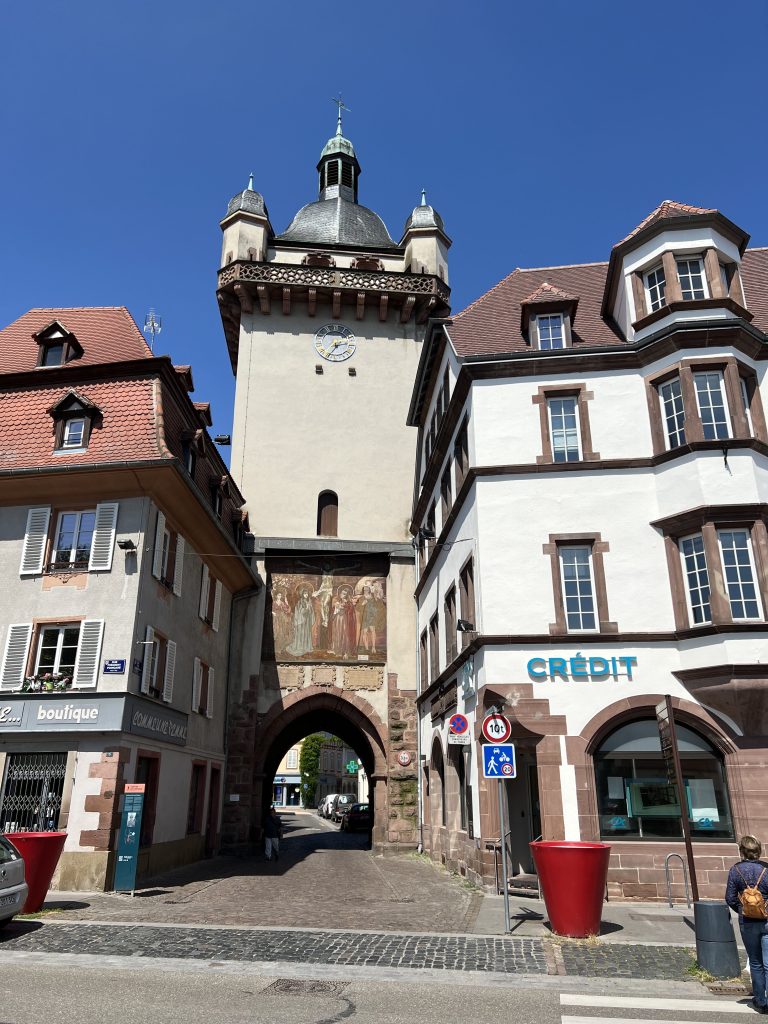
We enjoyed a traditional Alsatian lunch and made our way back to the rail station for our next stop…Sélestat…also in the Alsace region of France. The city has a well-preserved old town with features of its German and French cultural heritage.
Clock Tower Sélestat, France
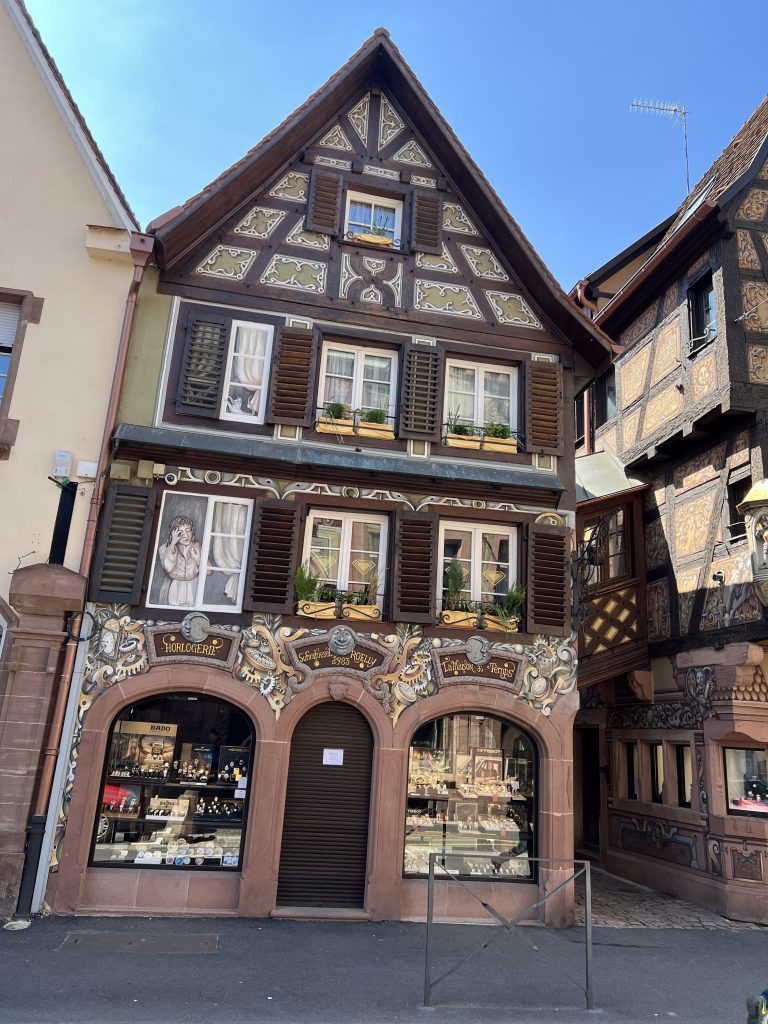
The old town had many shops…this one selling watches and clocks.
Sélestat Watch Shop
We enjoyed the day but back in Strasbourg in the evening we realized that we were weary because we walked more than 17,000 steps!
Train travel is an easy way to get around – we were happy that we had a chance to see a little more of France!
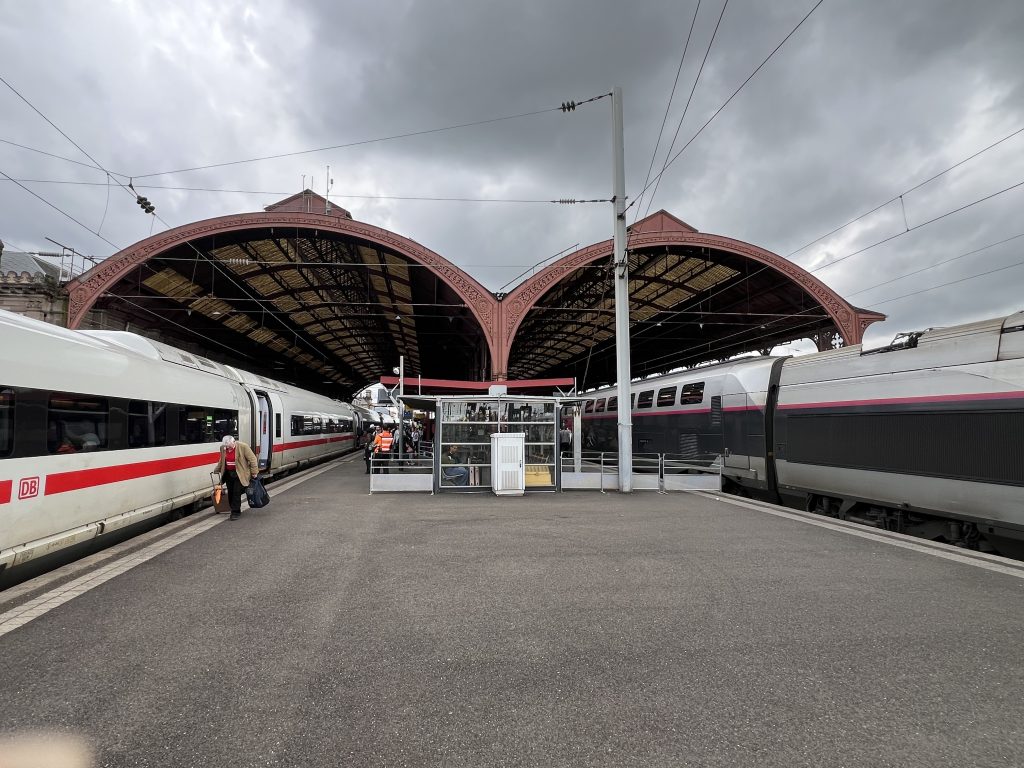
Tuesday we spent the day making our way to Strasbourg, a city we’ve wanted to visit for quite awhile, but could never quite fit into an itinerary. We made it work for this trip, but it wasn’t an easy fit. We left our hotel in Malaga in the early morning to catch our flight to Stuttgart and that worked well. Once in Stuttgart, we needed to find an alternate route into the city due to a problem on the U-Bahn tram track. Had it not been for a thoughtful tram operator who informed us of the problem, we might had missed our train. The tram operator advised us to switch to the S-Bahn (subway), and that got us to the train station. Rainy weather and train delay made for a long day, but we arrived in Strasbourg safe but weary.
Strasbourg, France Train Station
It was a short walk to the apartment through a gritty part of the city. We were somewhat discouraged when we arrived at the main door. We followed the detailed instructions left by the hosts and finally gained access to the building. From there, we schlepped up 3 flights of steep stairs to our apartment.
Strasbourg Apartment
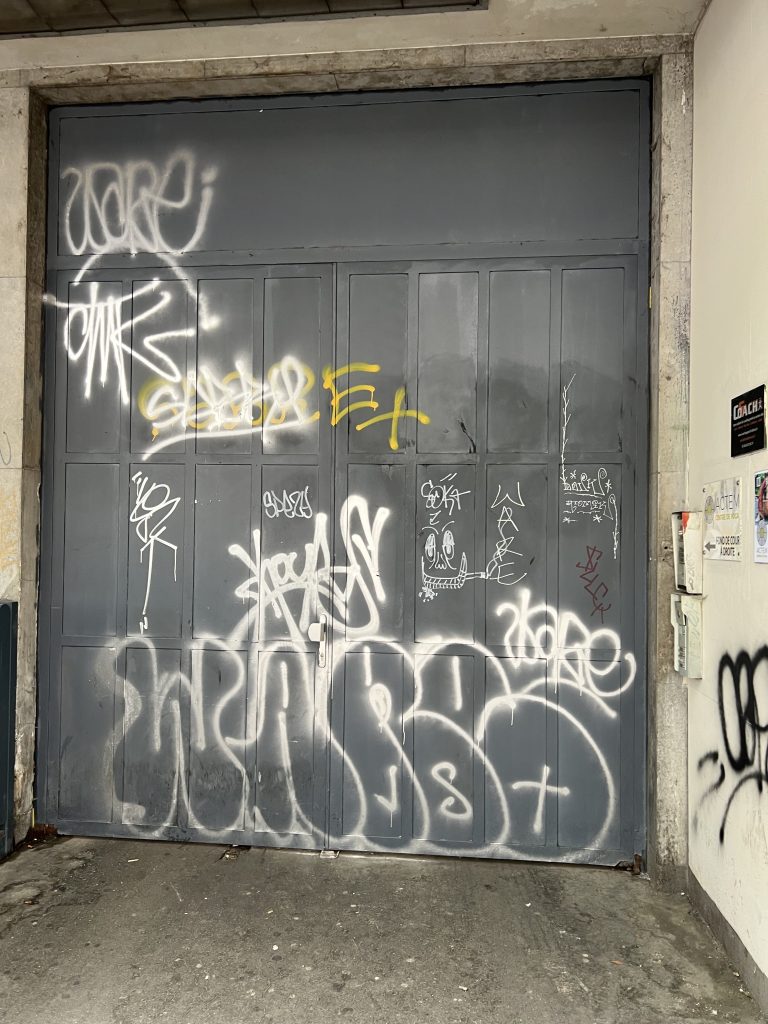
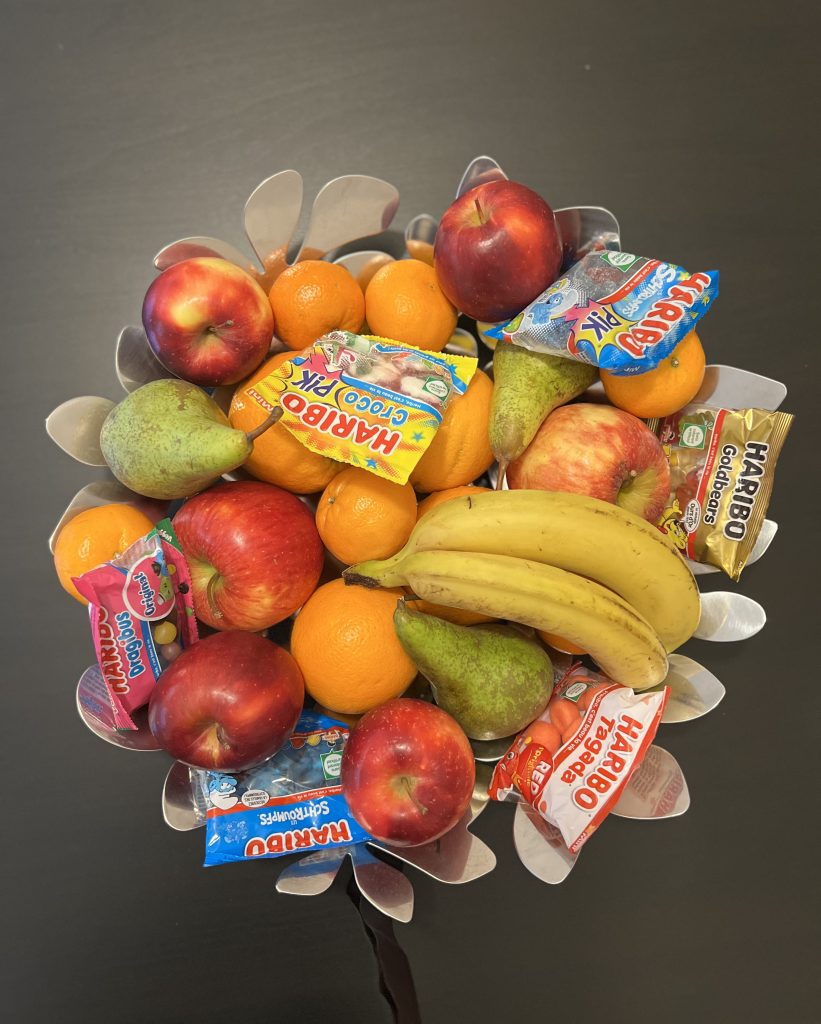
Once inside we found a bright space, a refrigerator filled with breakfast items, a bottle of local sparkling wine, chocolates, a massive array of snacks, and an impressive fruit bowl! We still have not met the hosts but their kindness made up for the graffiti on the entry door, the steep steps and all.
Welcome to Strasbourg!
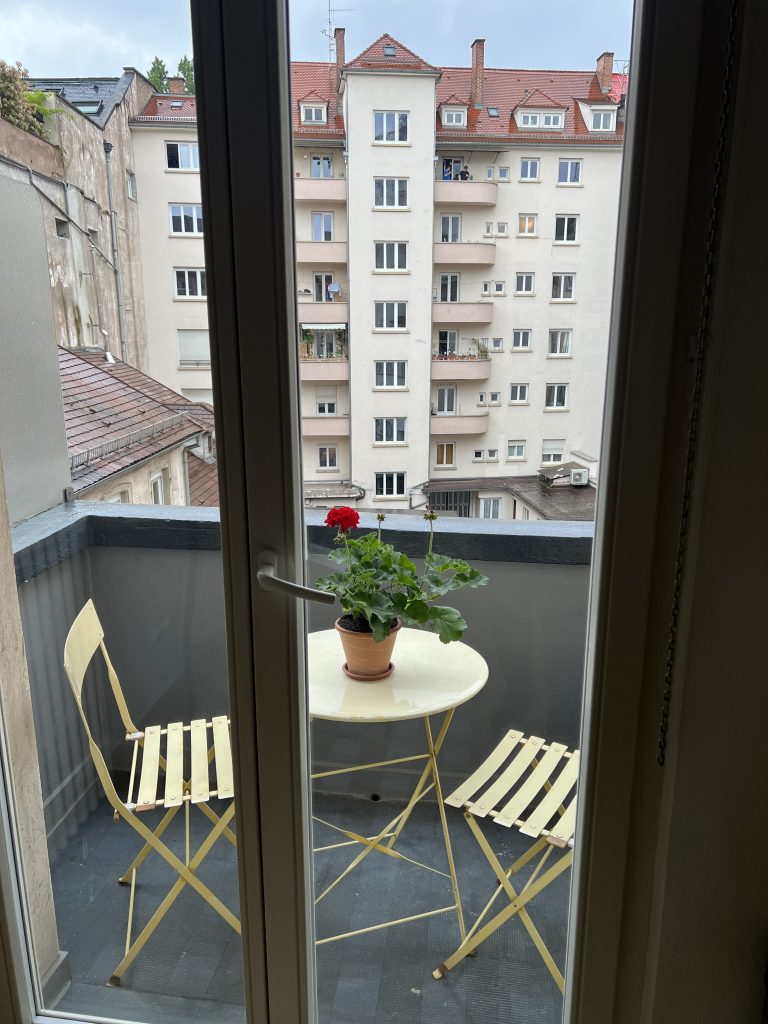
The apartment is comfortable, light-filled, and has everything we might need. It’s seems like a classic French home. The kitchen is so well-equipped that we’ve made a couple of simple meals here. Street cars run by on the street below, so it can be noisy.
Balcony in Strasbourg
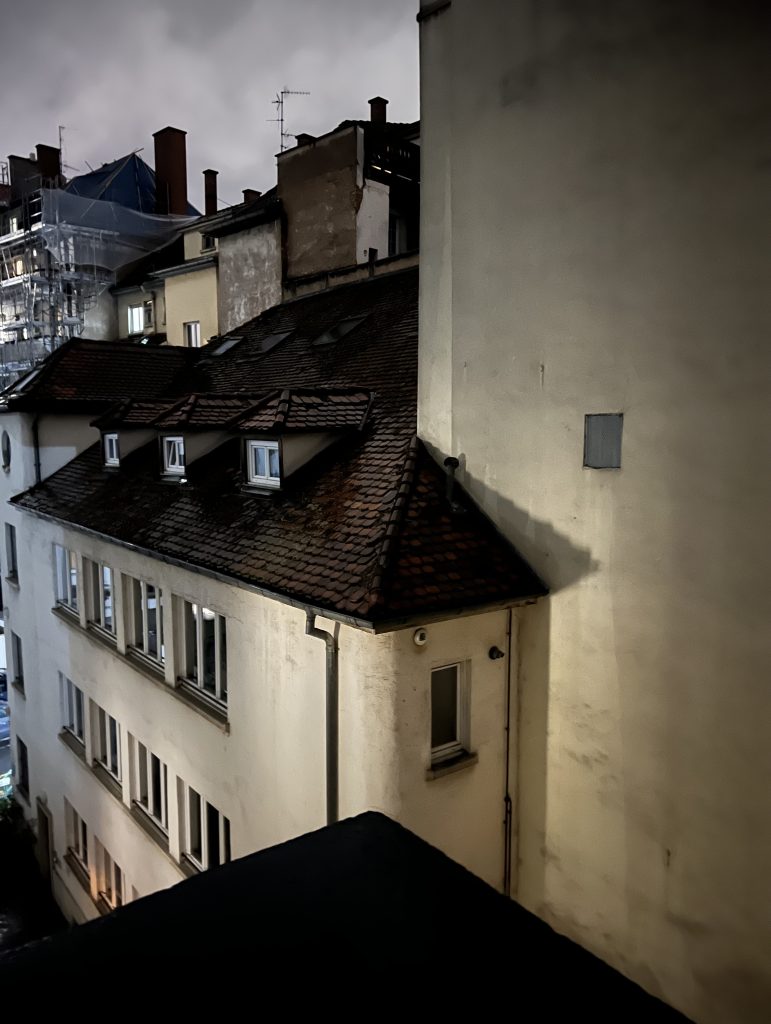
The view from our apartment on a rainy night looks like a scene from a 1940’s noir film.
Rainy Eve in Strasbourg
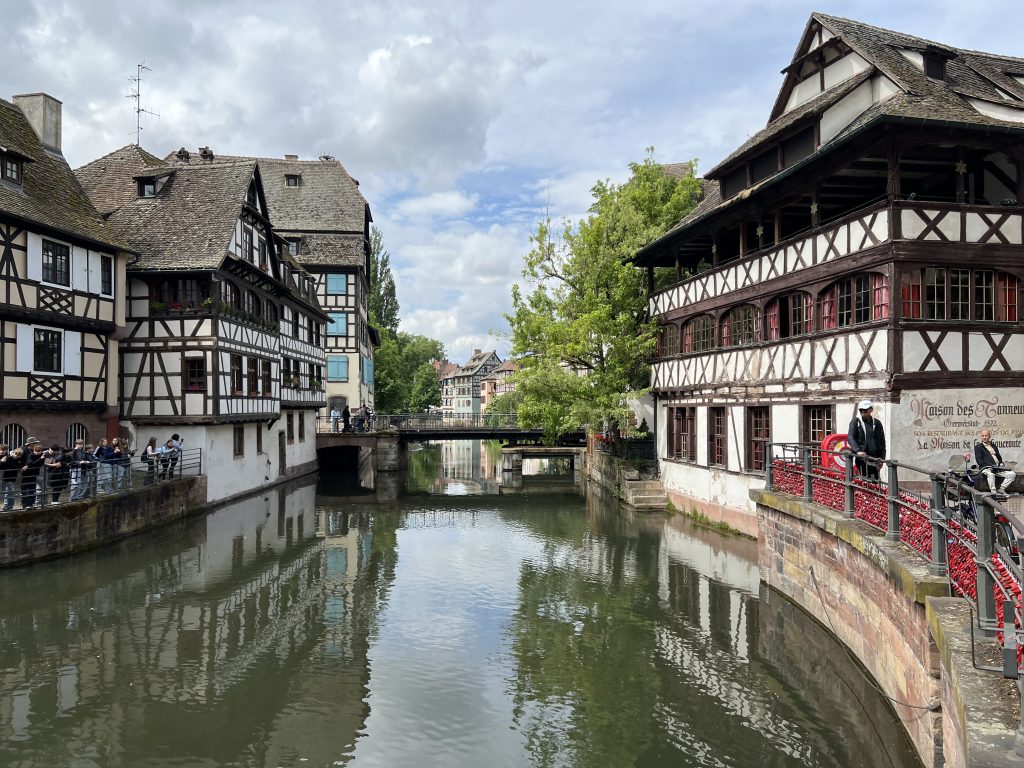
The city is beautiful and we are learning our way around town.
Strasbourg Canals
We feel like we left summer behind in Malaga and now it’s early spring again, as the temps are cool and it’s been on and off rainy.
Springtime in France
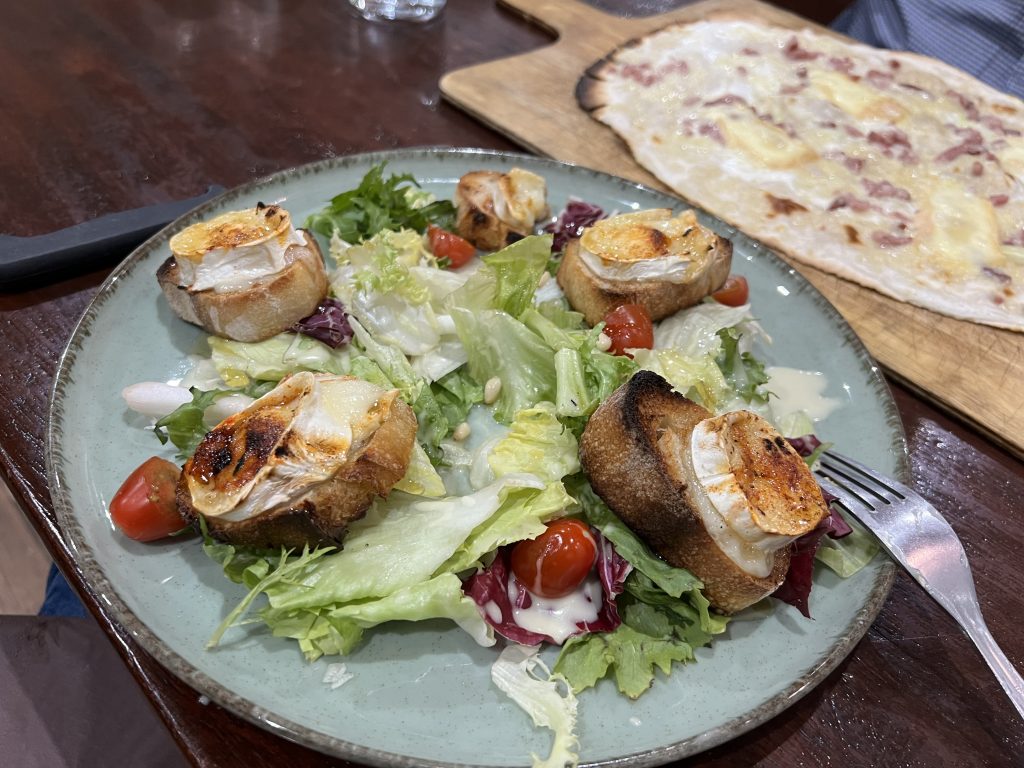
The Alsatian food is hearty and delicious…a salad with honey drizzled goat cheese toasts and a Tart Flambée (baked in a wood-fired oven) make for a delicious lunch. The food is hearty and we hope we are walking enough to burn the extra calories.
Alsatian Lunch
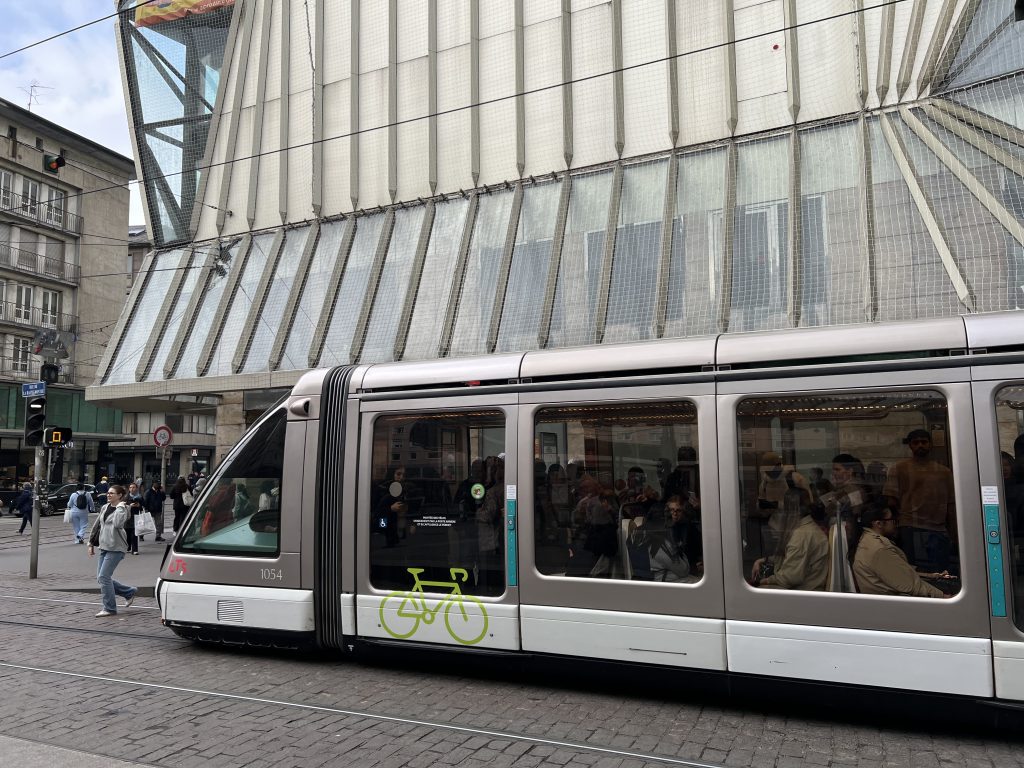
We are impressed by the spiffy trams that travel around the city. We bought a day pass and took several trips today.
Strasbourg Public Transportation
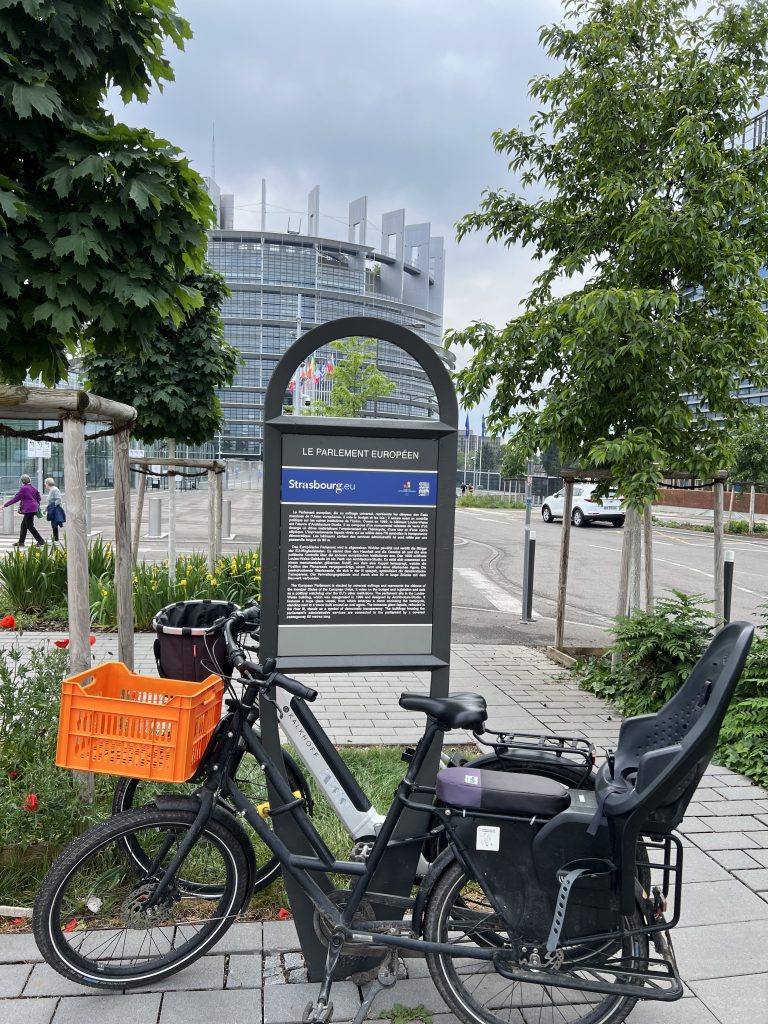
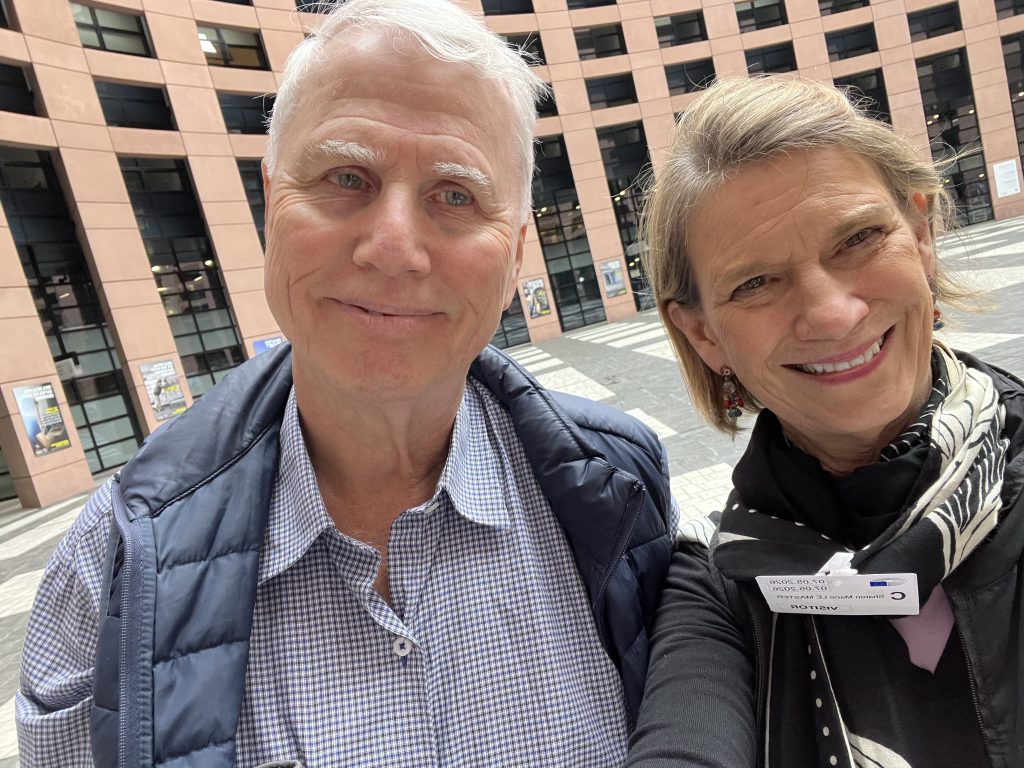
We took the tram to the headquarters of the European Union based here in Strasbourg.
EU Headquarters
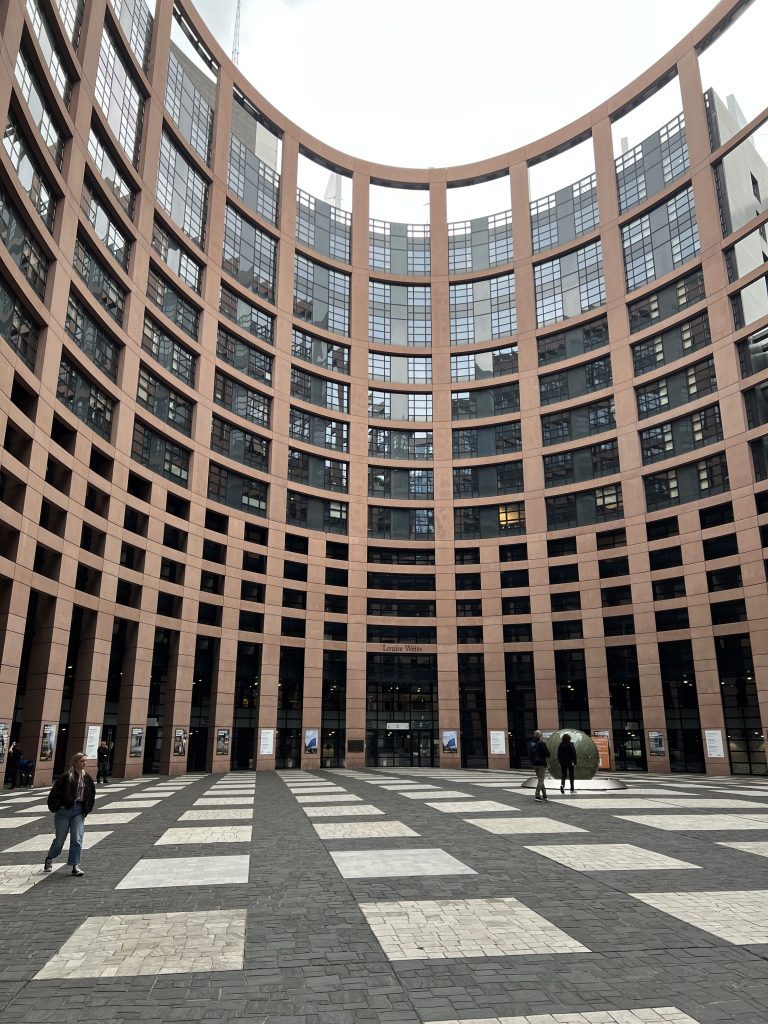
Security is strict and we needed our passports for entry. The guards kindly told us that neither a paper copy of our passport nor our U.S. drivers license was enough. So we made our way back to the apartment and returned with actual passports in hand. The EU buildings are impressive and the tour is well-organized.
EU Headquarters
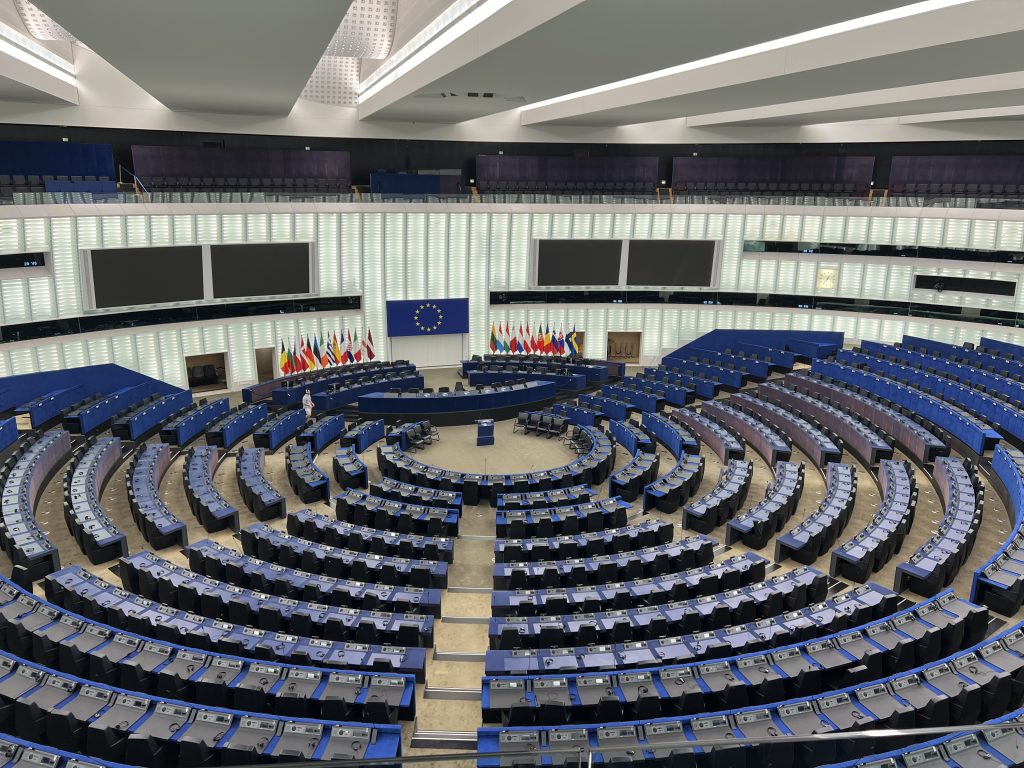
The plenary chambers are shown below.
UN Meeting Chambers
We are happy here! We have met many kind people who have made this trip special.
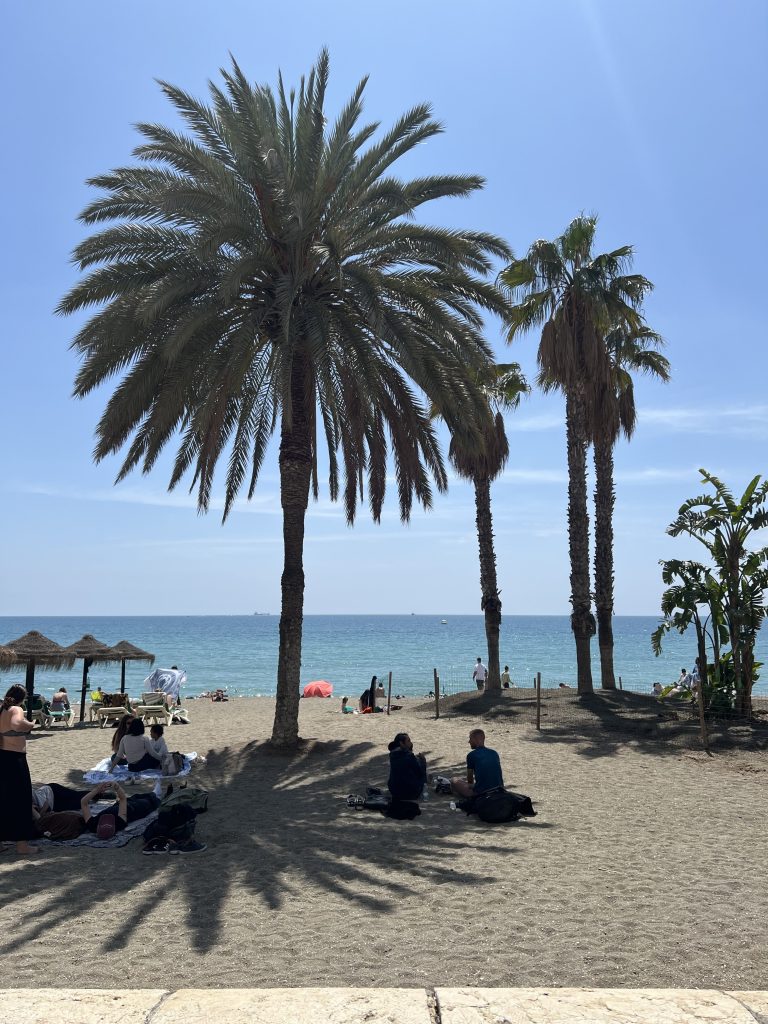
Sunday was a nice day and we took a long walk to the beach.
Malaga Beach
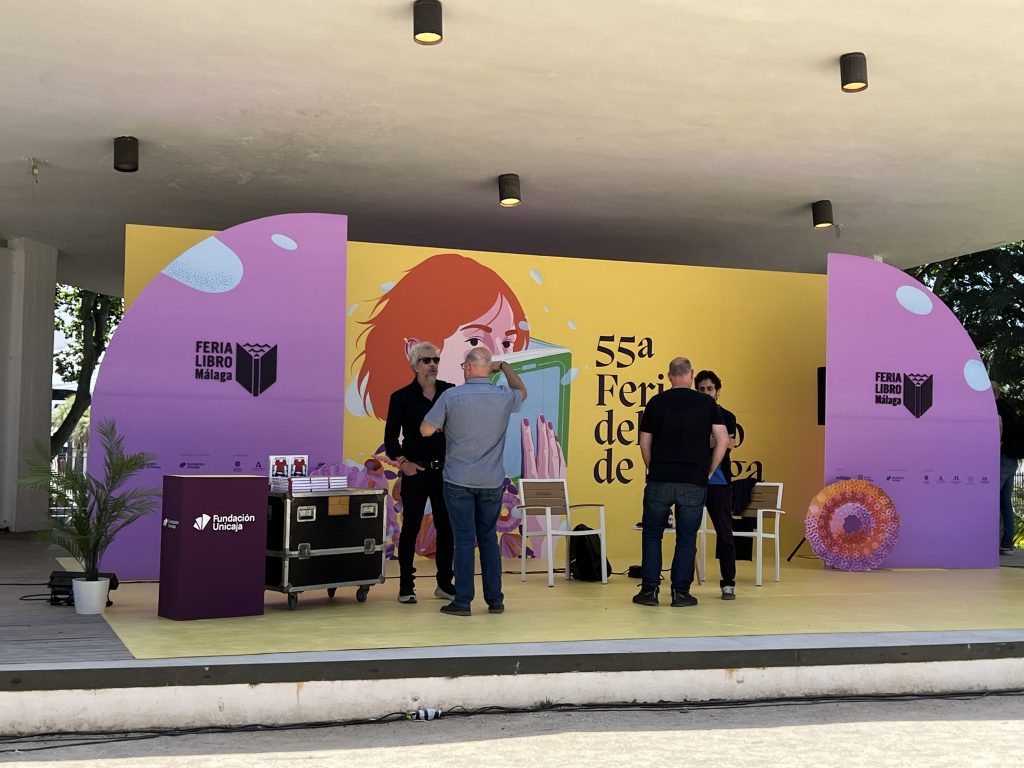
Along the way we passed by one of the venues for the Annual Malaga Book Festival.
Malaga Book Festival
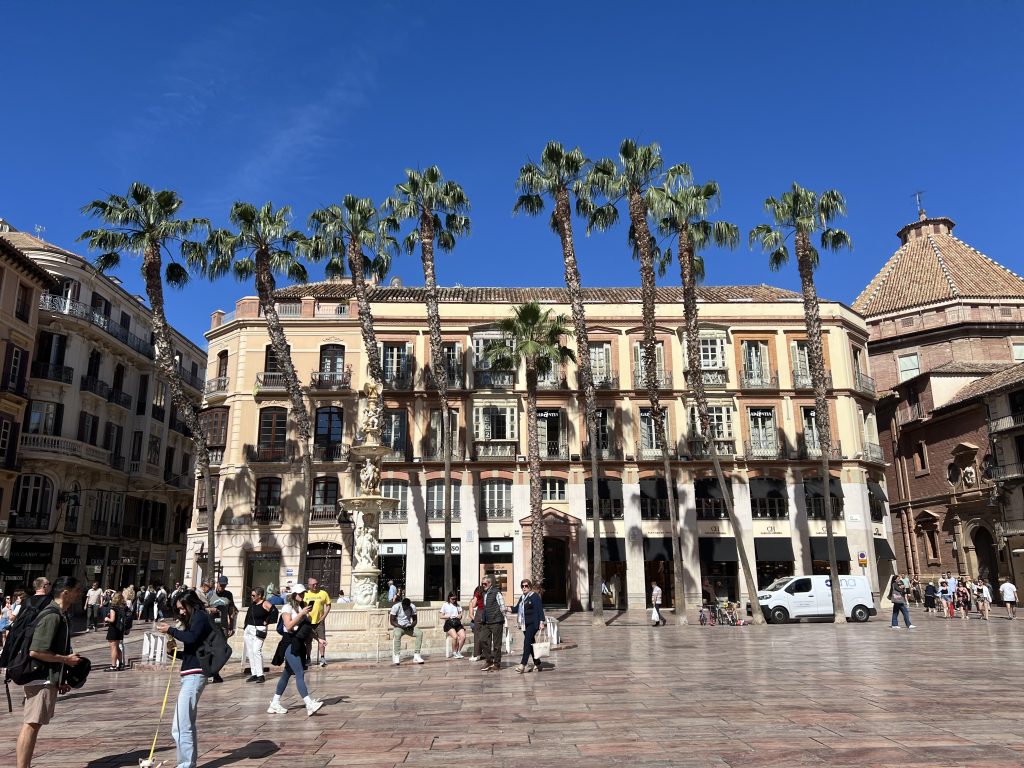
Malaga is very much a buzzy Mediterranean city with many great features;
Malaga PlazaBuilding Facade in Malaga
and lush parks with shady pathways and beautiful flowers.
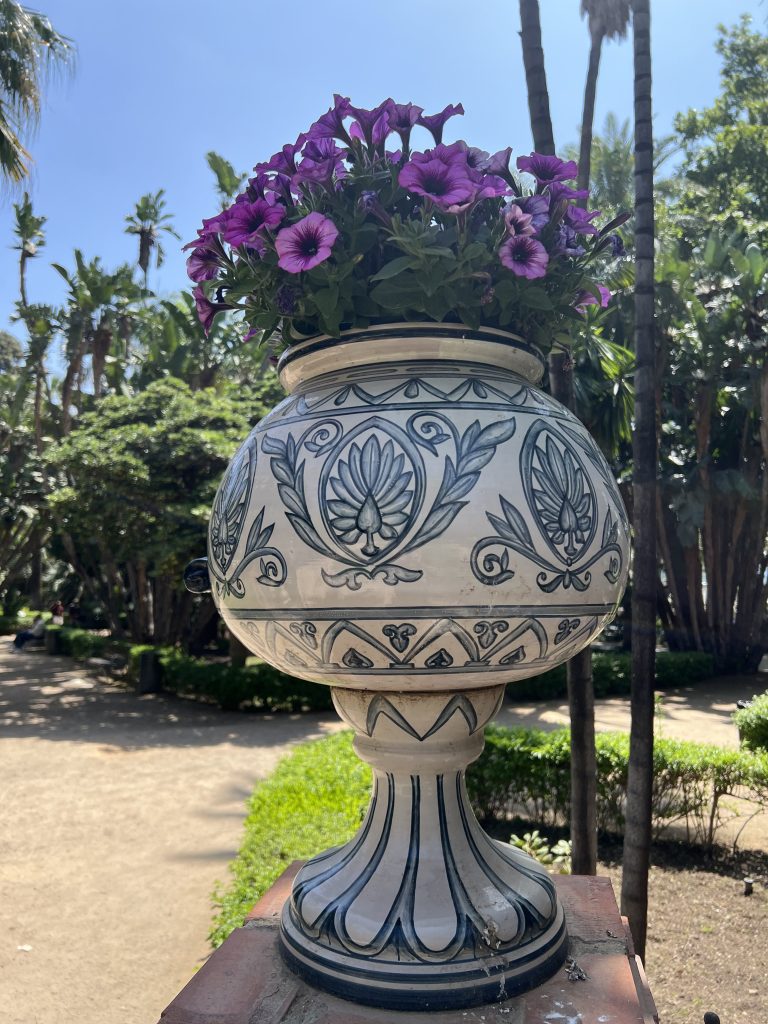
Petunias in Malaga
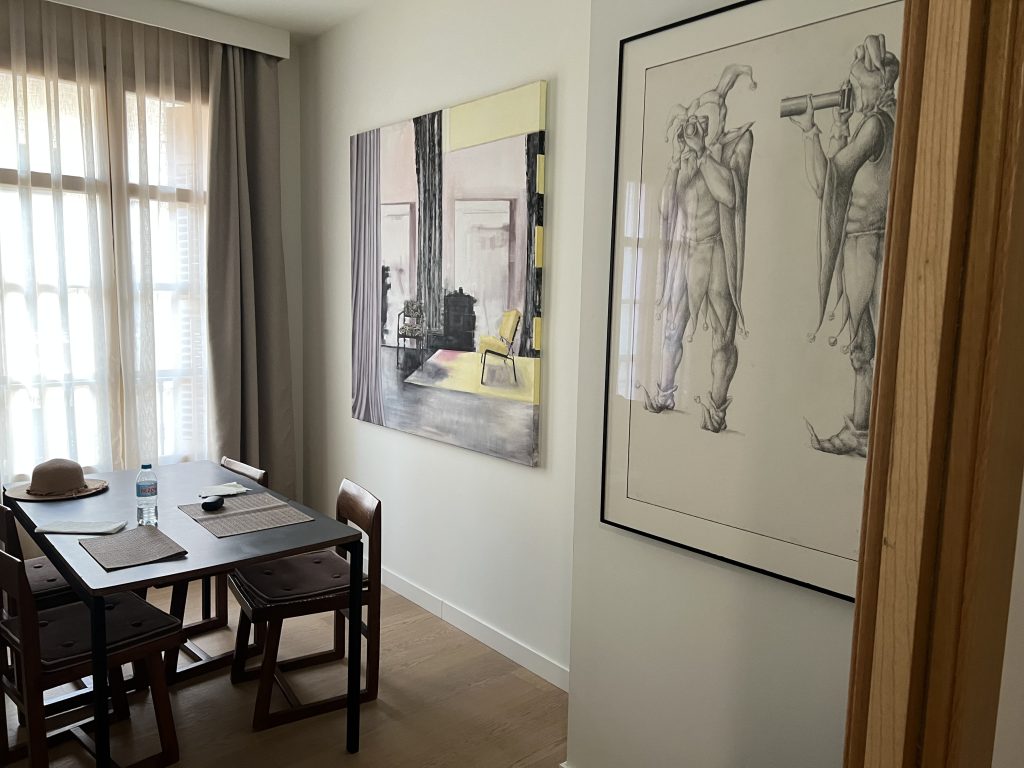
One of the things that has made our stay here so comfortable is a nice apartment with lots of space, interesting art and a washer and dryer!
Graffiti Suites, Malaga
Tomorrow (Tuesday), we have a very busy travel day! Our next stop is Strasbourg, France and because our flight from Malaga to Strasbourg was canceled, we scrambled to make an alternate plan. Now have an early morning flight from Malaga to Stuttgart, Germany and then a train trip from Stuttgart to Strasbourg. 🤞 If all goes well, we should be in Strasbourg by late afternoon!
Adding that Larry is our Travel Guru and has done a great job of scheduling (and rescheduling) various plane and rail tickets.
On Thursday morning we took a cab to the Seville rail station to make our way to Malaga. Unlike most of the journeys by train that we have made, this one was slow and the train arrived late – it took four-plus hours to make the trip. Once in Malaga, we walked to our apartment, dropped our luggage and went to explore. The first thing we noticed was how busy and crowded the city is – we arrived at the beginning of a holiday weekend – May 1 is an important date in most of Europe so people were arriving for a long holiday weekend.
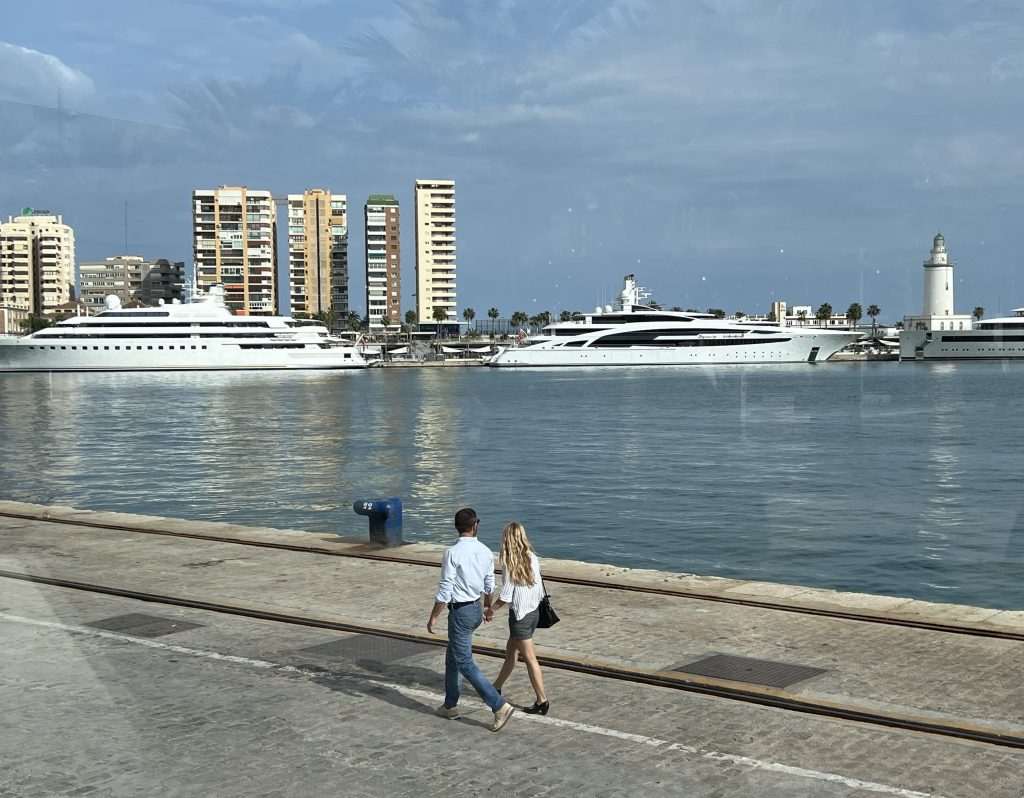
Malaga is a port city so our first stop was to see the sea.
Malaga Port
There are yachts in the harbor and the port is glitzy compared to the port in Cadiz. The beaches are somewhere nearby but we haven’t made our way to find them yet. The weather has been a little cool and sometimes rainy.
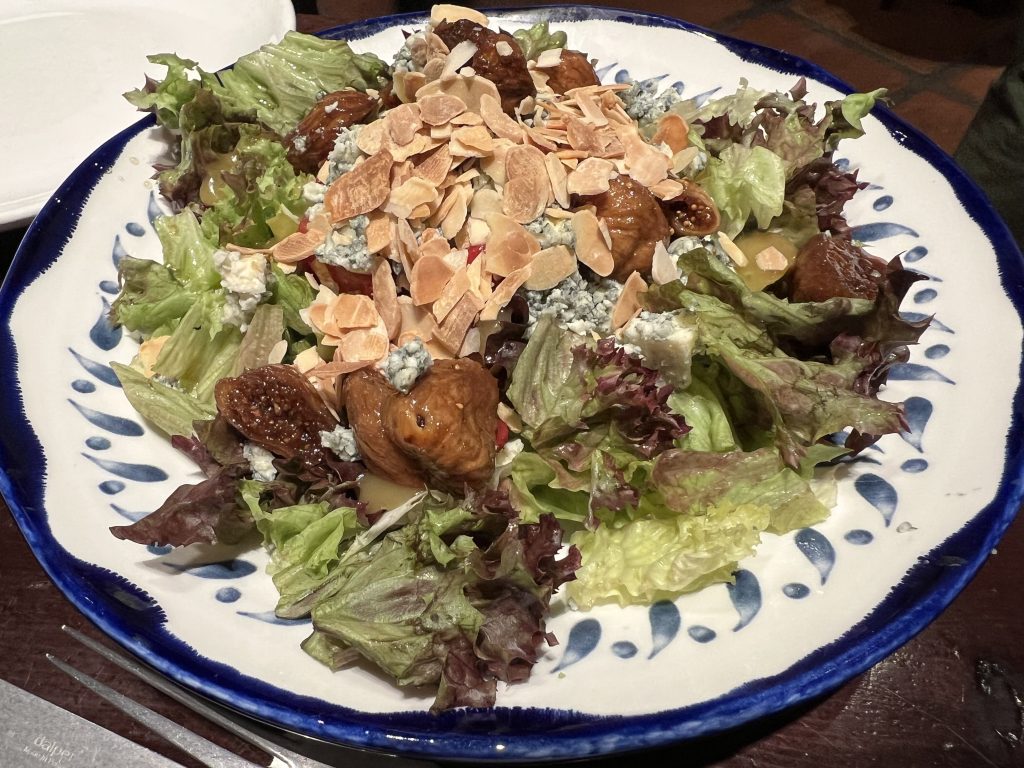
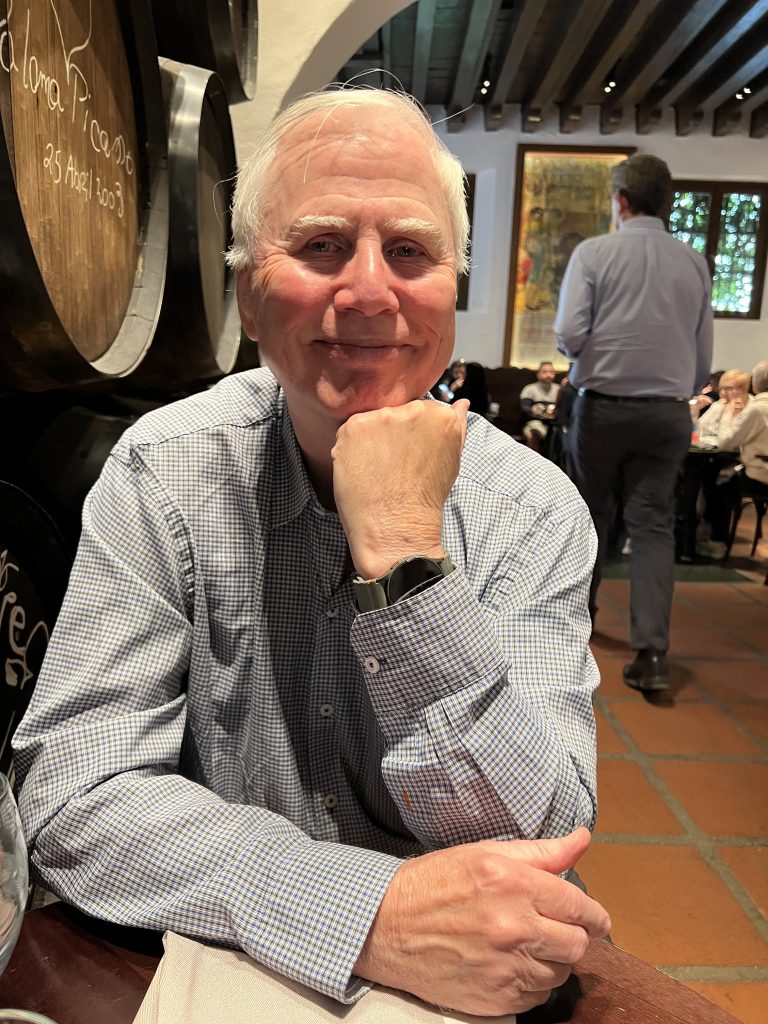
While here, we had a chance to celebrate another important event…Larry’s birthday on May 1! We were fortunate enough to arrive at the just right moment and were able to get a table for 2 at Bodega El Pimpi – a place partially owned by Malaga native and actor Antonio Banderas. It was a lively place with very good food. We really liked the salad with marinated figs, toasted almonds, strawberries, and lots of Spanish blue cheese.
Marinated Fig Salad – El Pimpi
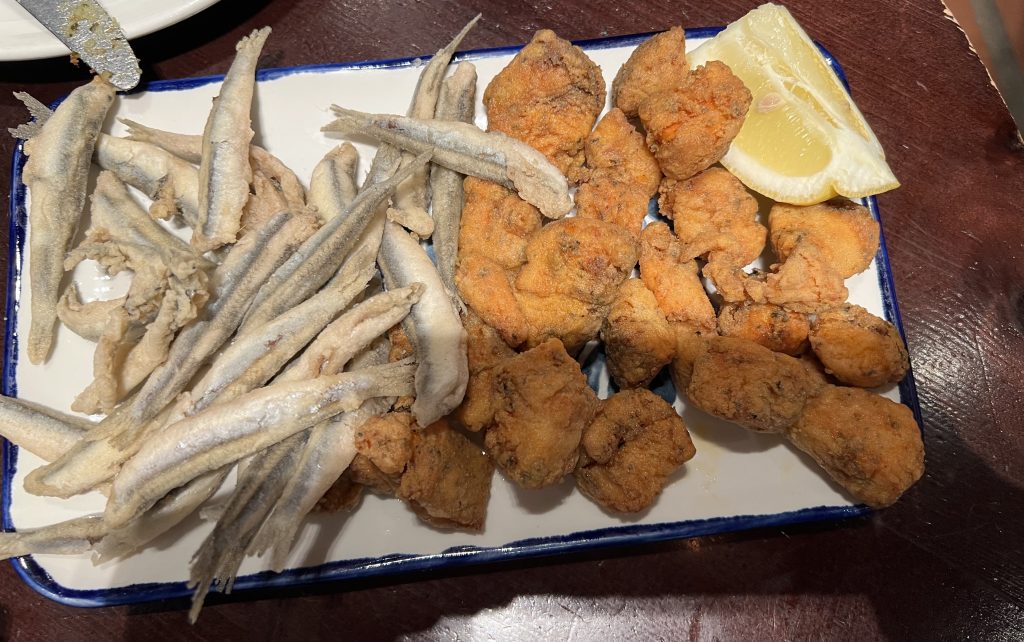
A delicious mix of fried sardines and white fish was next! It was a memorable meal.
Seafood in Malaga, SpainBirthday Celebration, 2026
We spent the rest of the day wandering around town and Larry got a haircut.
We saw:
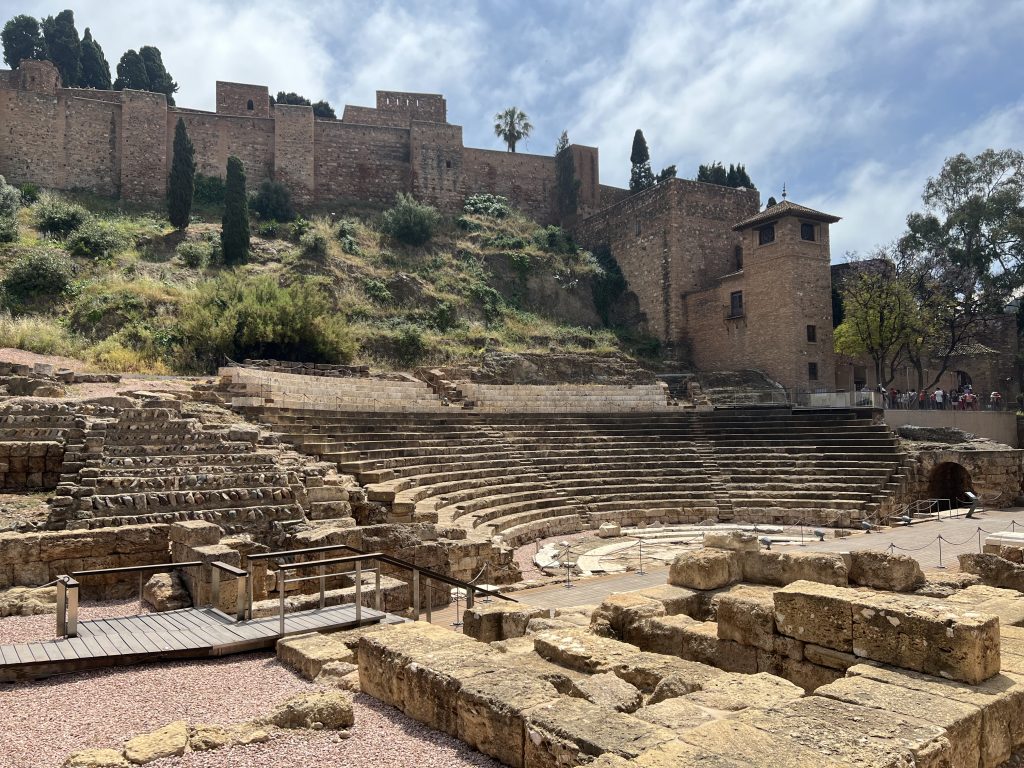
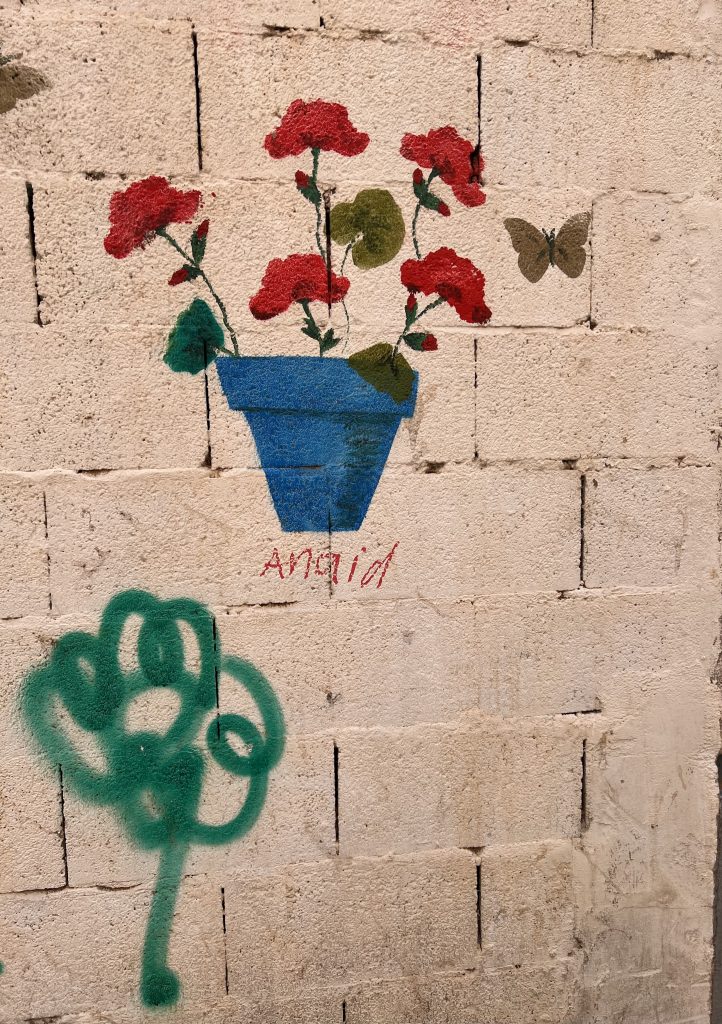
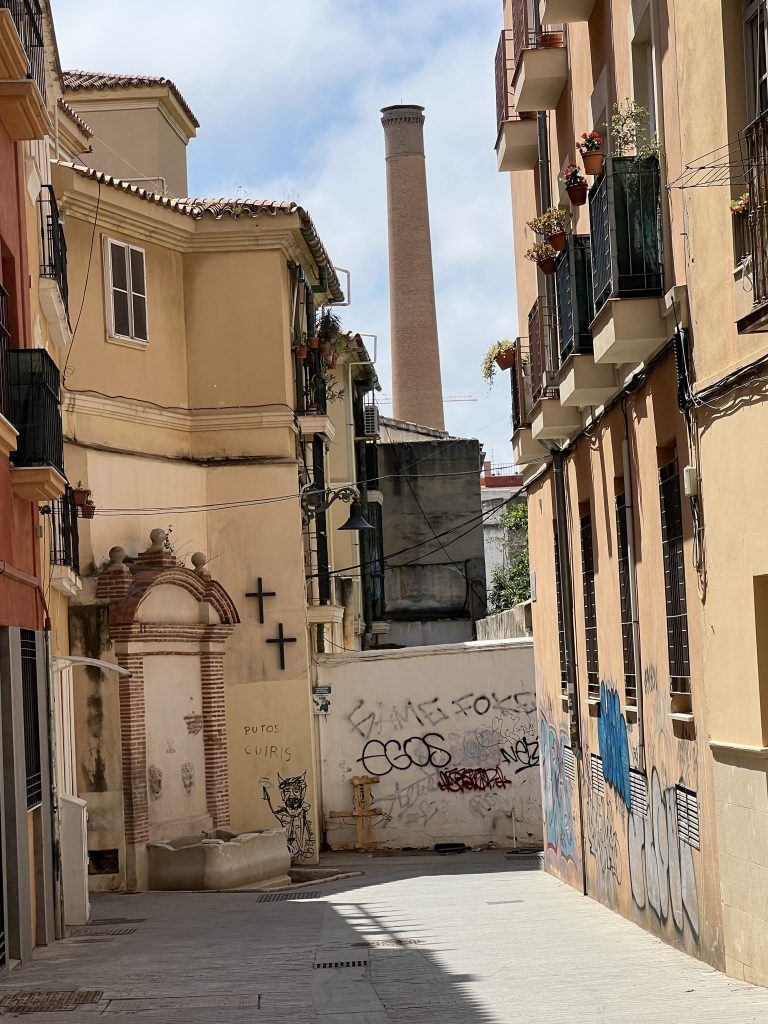
Roman Theater, MalagaStreet ArtInteresting Alleyways
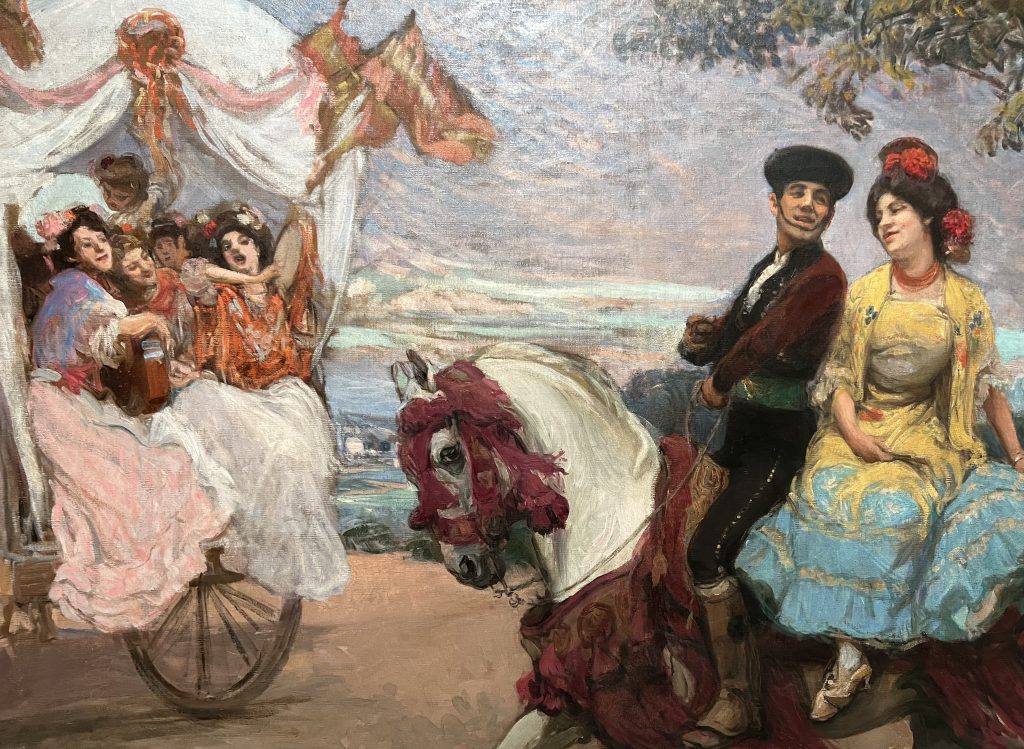
After 6:00 p.m. is a quiet time for a museum visit so we stopped in to see the collection at the Museo Carmen Thyssen, Malaga. This looks like a merry scene!
On the Torrijos Pilgrimage by Gonzalo Bilbao Martinez
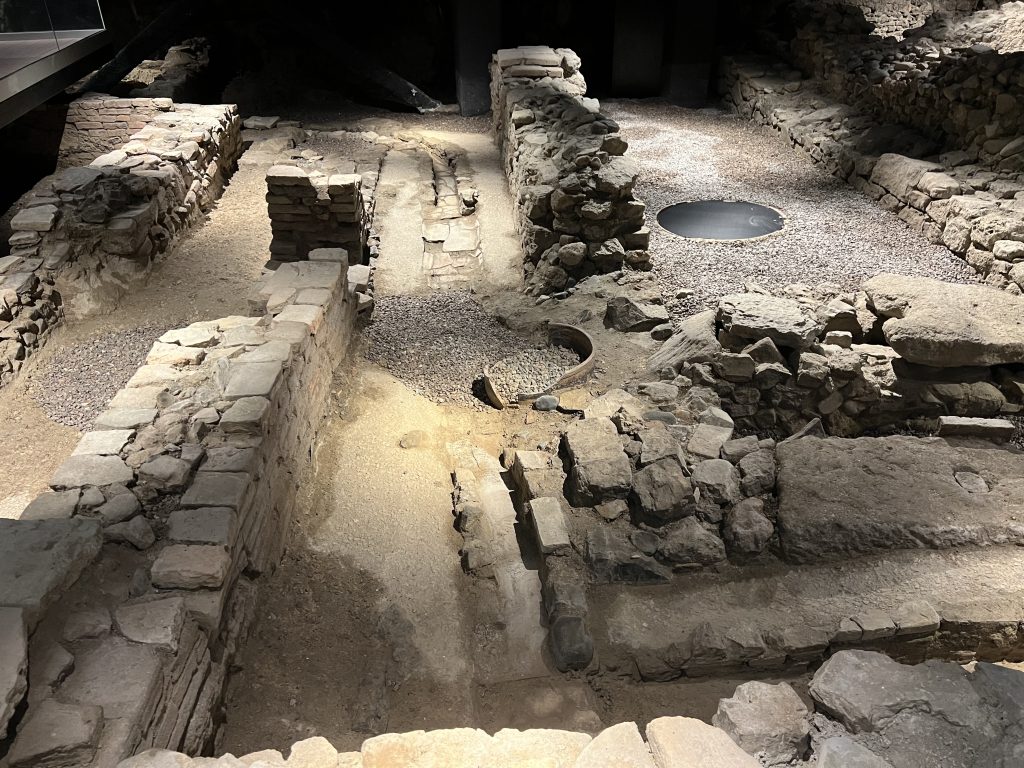
For an additional 2 Euros we toured the Roman ruins; the remains of a Roman era fish processing facility discovered beneath the foundation during a museum renovation in 2011. It was an amazing discovery!
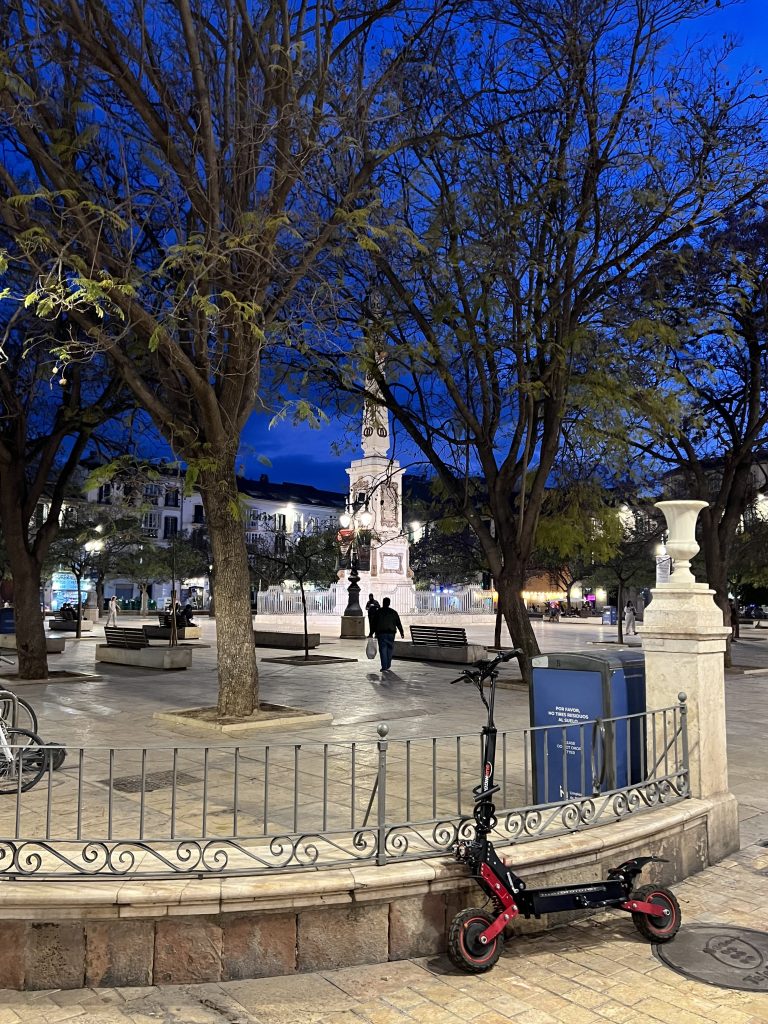
Romans Ruins Beneath Museo Carmen Thyssen, Malaga.Evening in the Plaza
Malaga is a great city with many good restaurants but it’s very popular and extremely crowded this weekend. We are looking forward to a quieter day on Monday when we hope to visit the Picasso Museum.
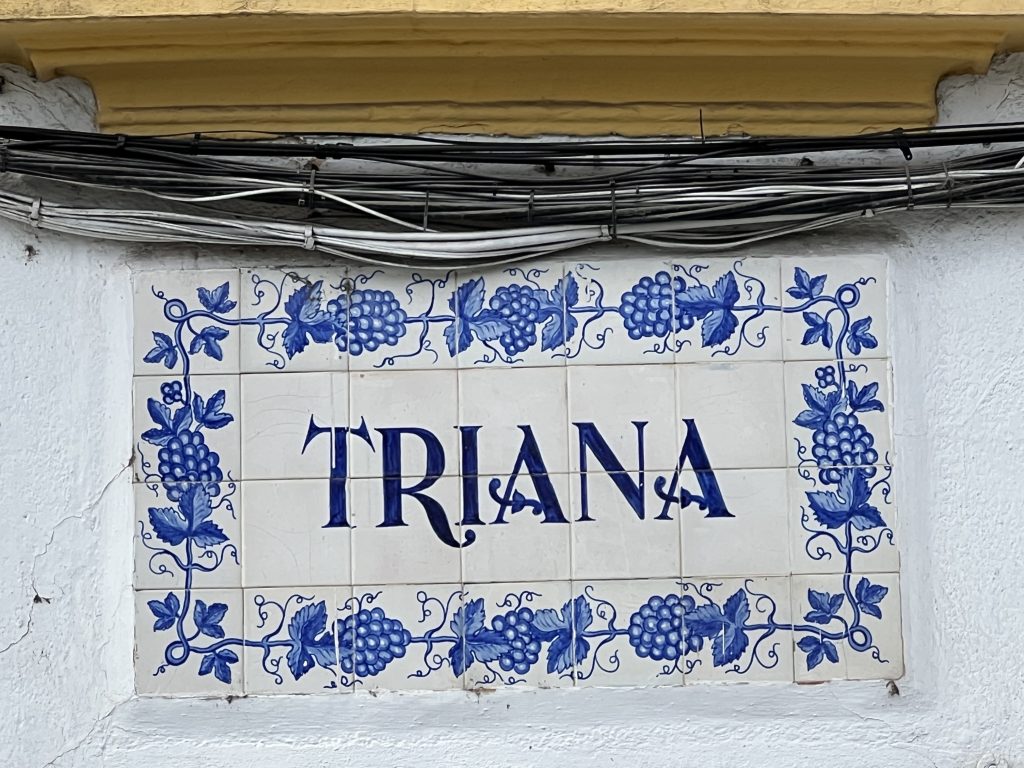
We feel a bit like lazy travelers although yesterday a walked over seven miles exploring the city. We started our day with a visit to the neighborhood called Triana. It’s on the other side of the river and it feels a little less polished and more like an area where locals live.
Triana
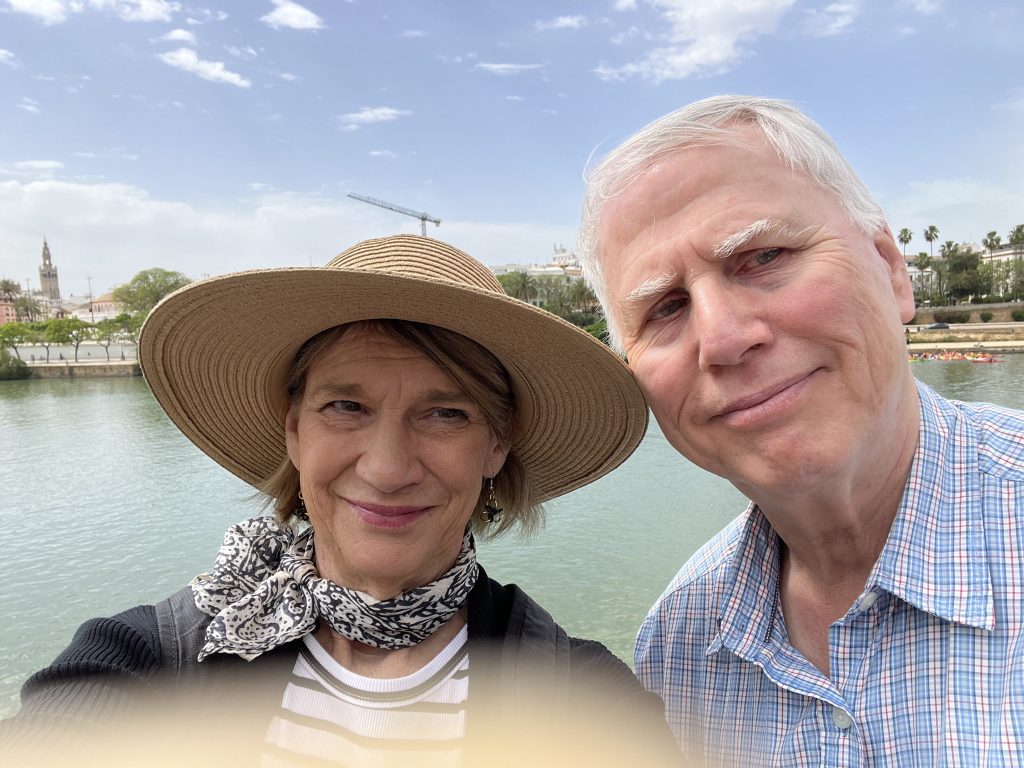
We stopped for a selfie along the Guadalquivir River which runs through the city.
L & S in Seville, Spain
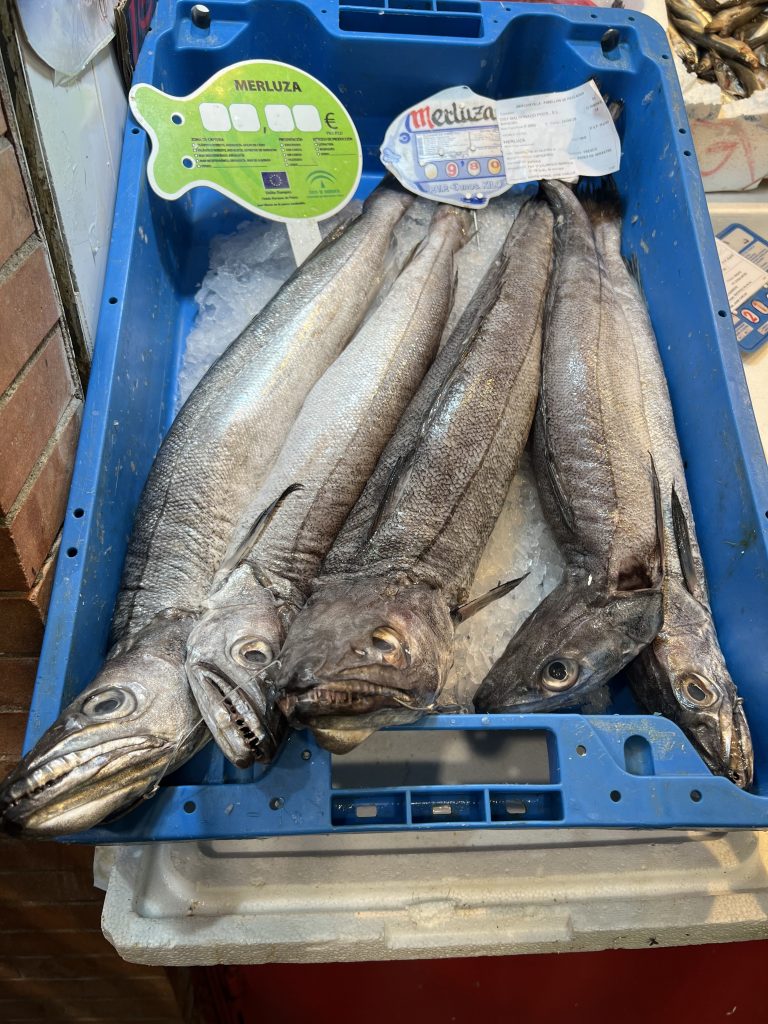
Then on to the Triana Market – loaded with fish, fruits, veggies, cheeses, pastries and souvenirs. The fish below is called a Merluza similar to our Sea Bass.
Fishes
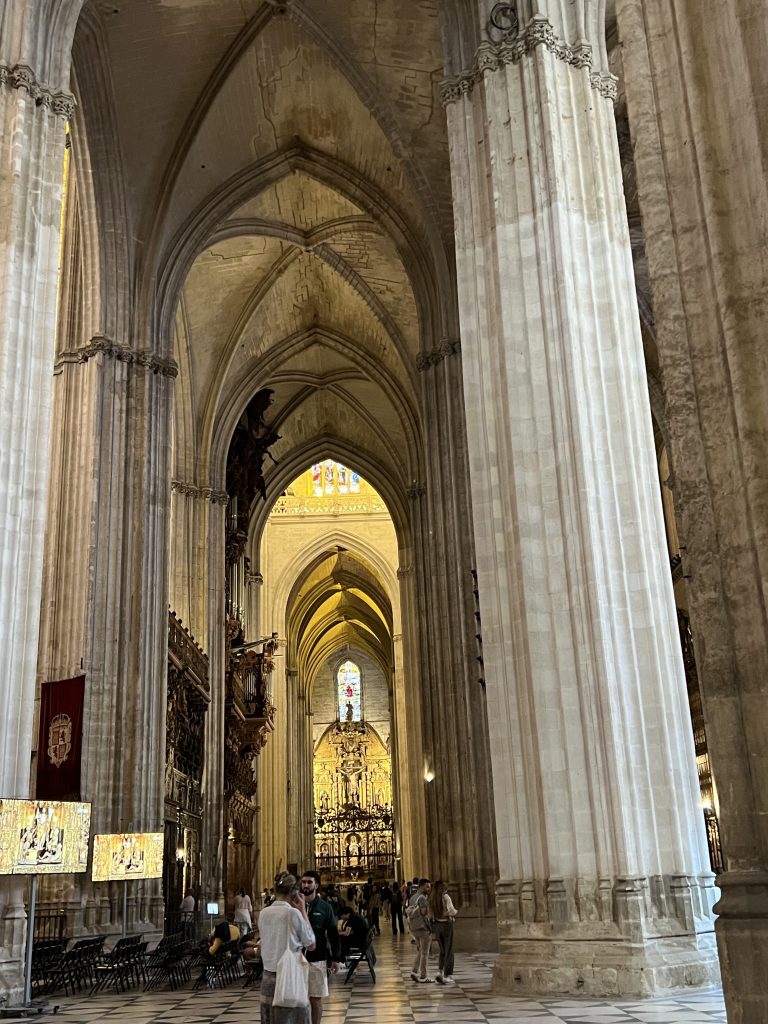
As on previous visits to Seville, we made a visit at the Cathedral of Seville – the largest Gothic Cathedral in the world! There is always something new to learn or discover in this awe inspiring place.
Seville Cathedral
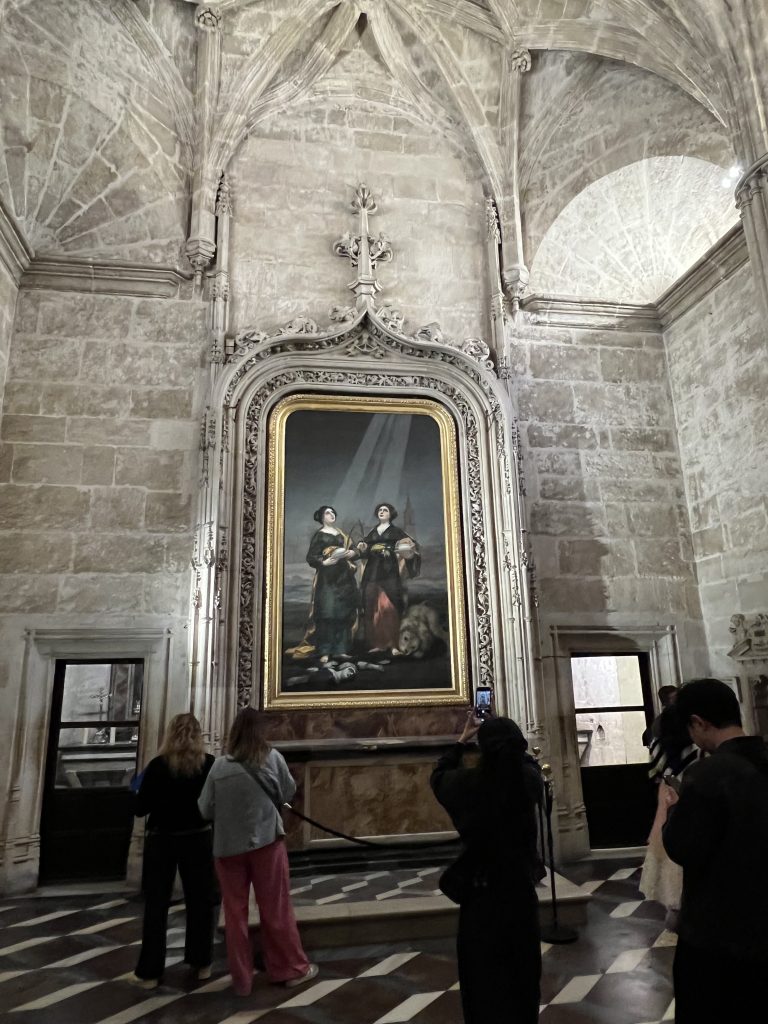
Inside there are many treasures; like this painting by Goya;
Santas Justa y Rufina by Goya
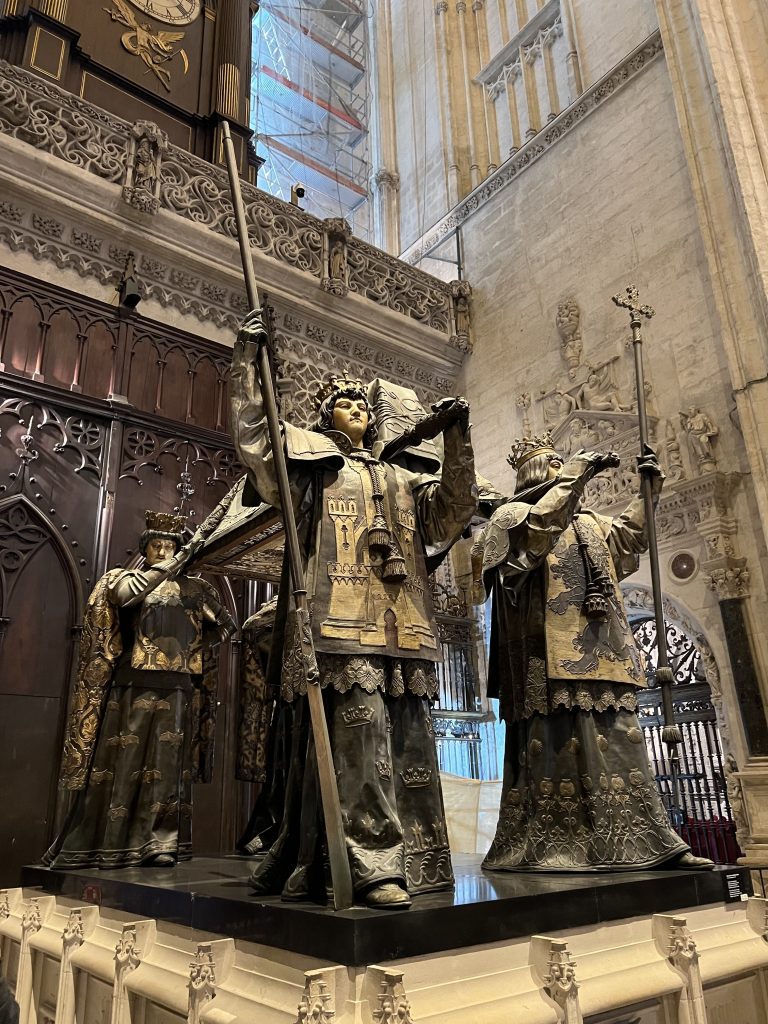
The tomb of Christopher Columbus;
Christopher Columbus’ Tomb
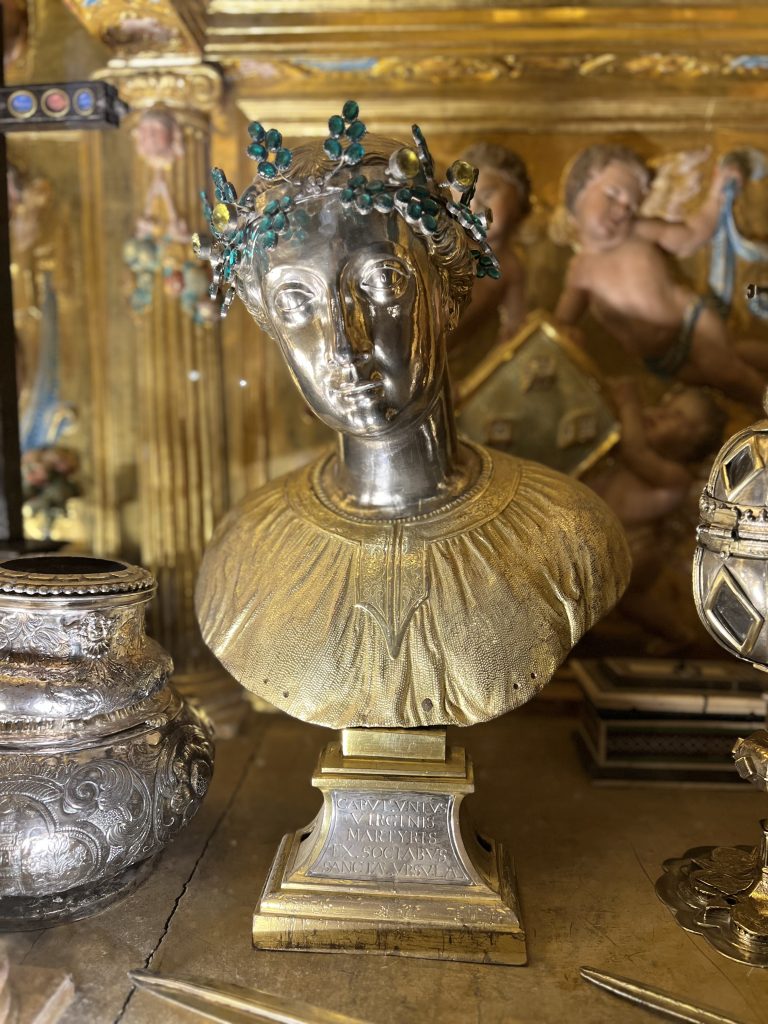
And many small chapels filled with treasures adorned with gold and jewels.
Cathedral Treasure
Tomorrow we will pack and leave for a morning train to Malaga, Spain. Like Seville, it’s in the region of Andalusia and but unlike Seville, it’s on the Mediterranean Sea and considered the capital of the Costa del Sol. We will be in Malaga for a 5-night stay.
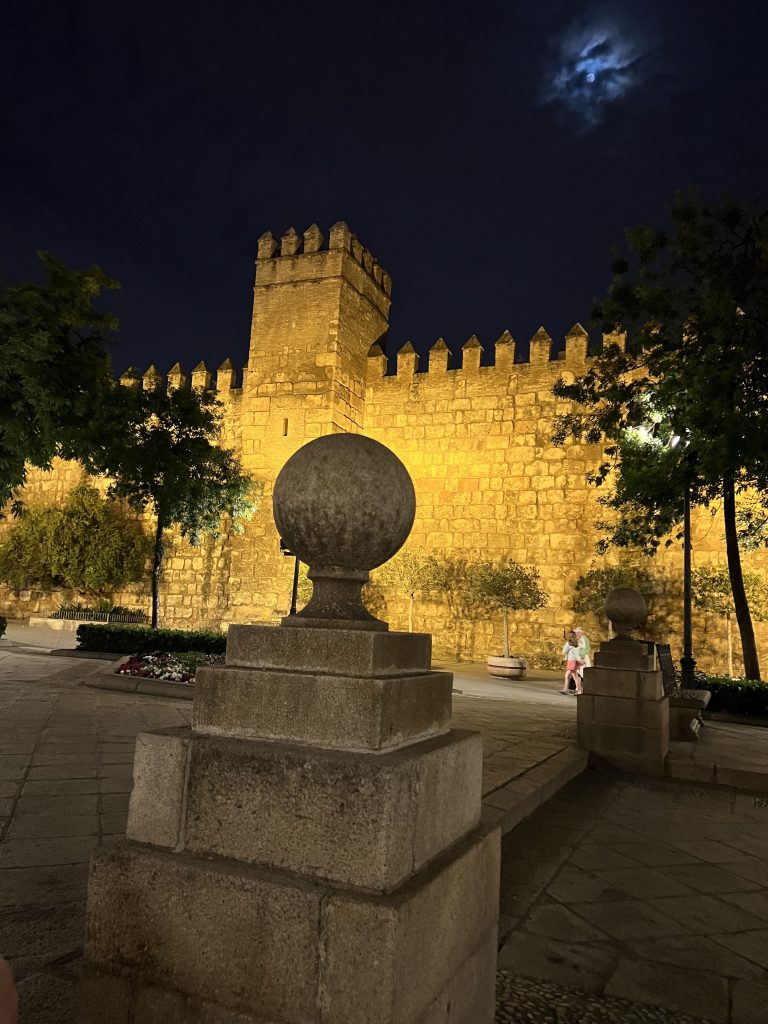
We have had a nice time in Seville…one of our favorite things to do is to wander around the city after sunset to view to beautifully lit buildings.
Moorish Walls After Dark
We hope all is well with you! We read that Atlanta got some much needed rain and we are happy about that! Sending our best wishes. Sharon and Larry
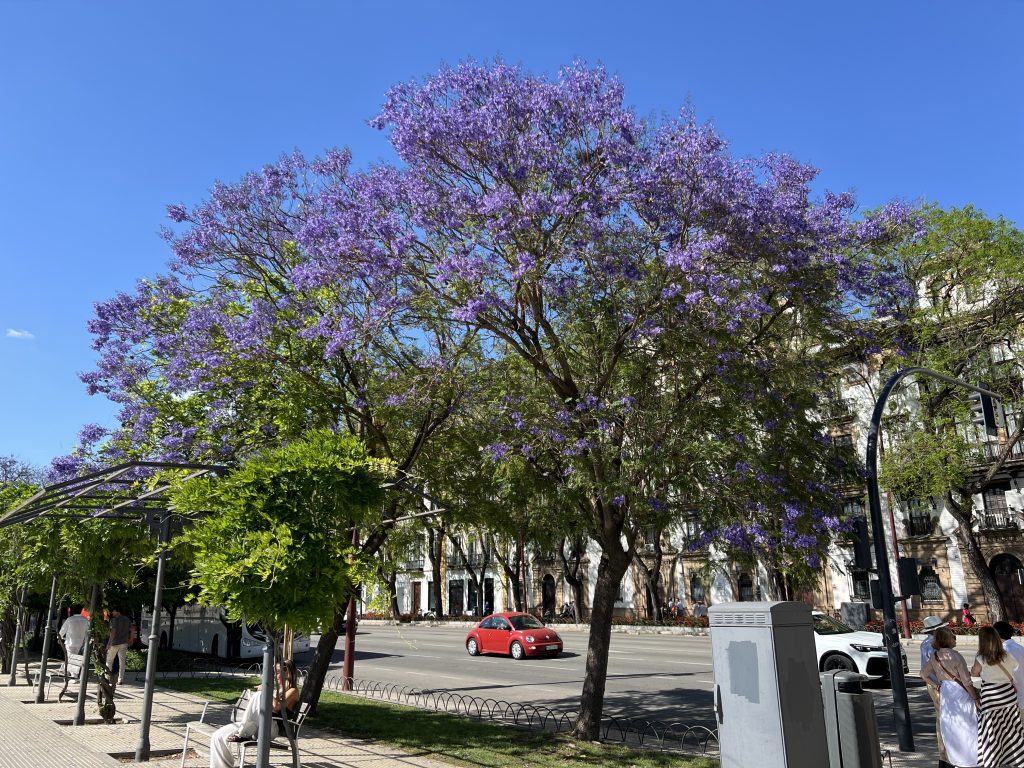
We left our hotel in Cadiz Saturday morning and took the 10:50 a.m. train to Seville. The weather is nice…not too hot so we walked to our hotel from the train station. The city was bustling as it’s the last day of a week-long spring festival. The surprise for us was that we’d forgotten just how beautiful this city is – especially on a perfect spring day…Larry’s favorite tree, the jacaranda is in full bloom.
Spring Time in Seville
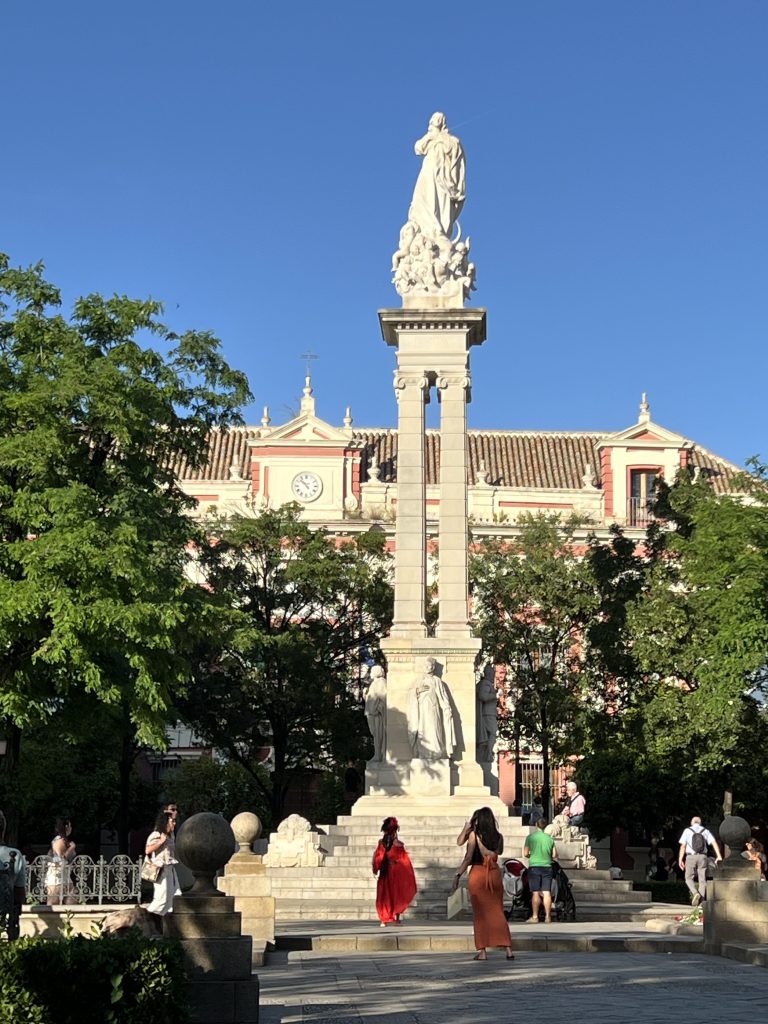
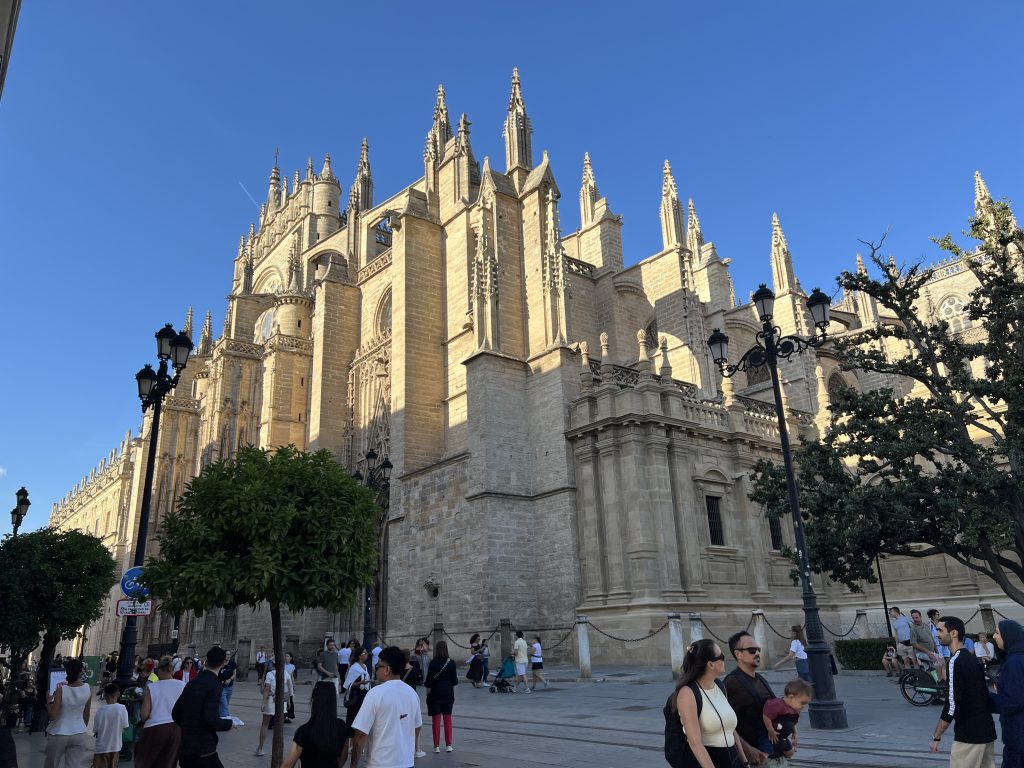
The monuments around town look spectacular against a bright blue sky.
Plaza del Triunfo – SevilleCathedral of Seville
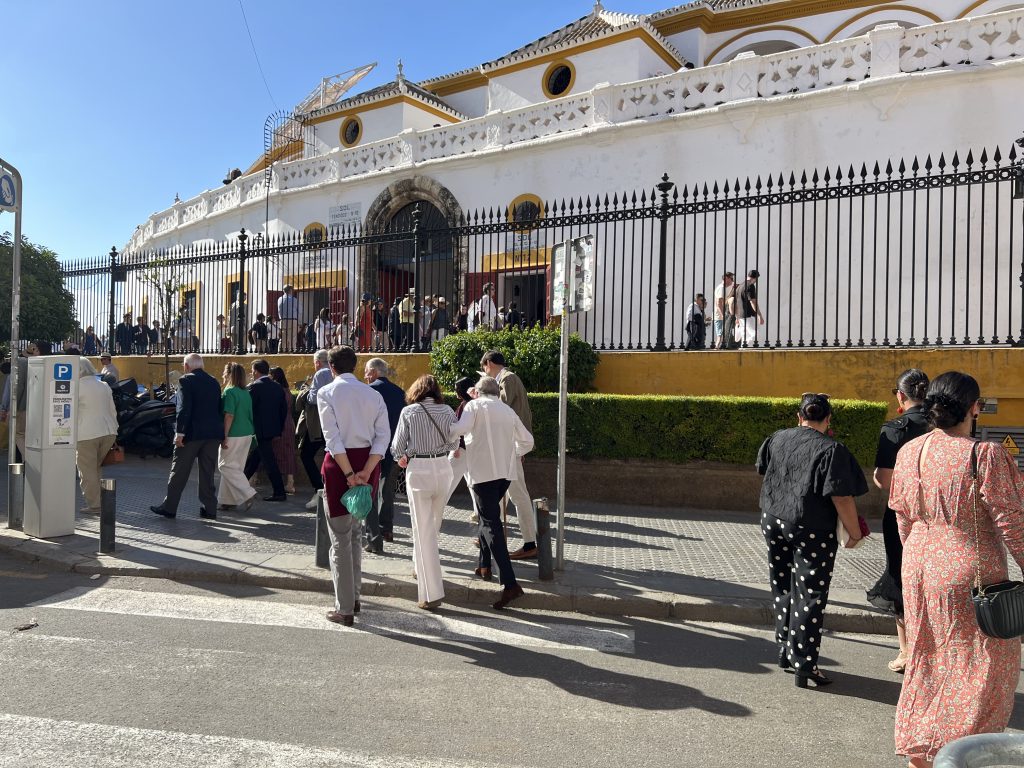
And in the early evening, people, many elegantly dressed, are streaming into the bullring for the Festival Bullfight.
Seville Bullring
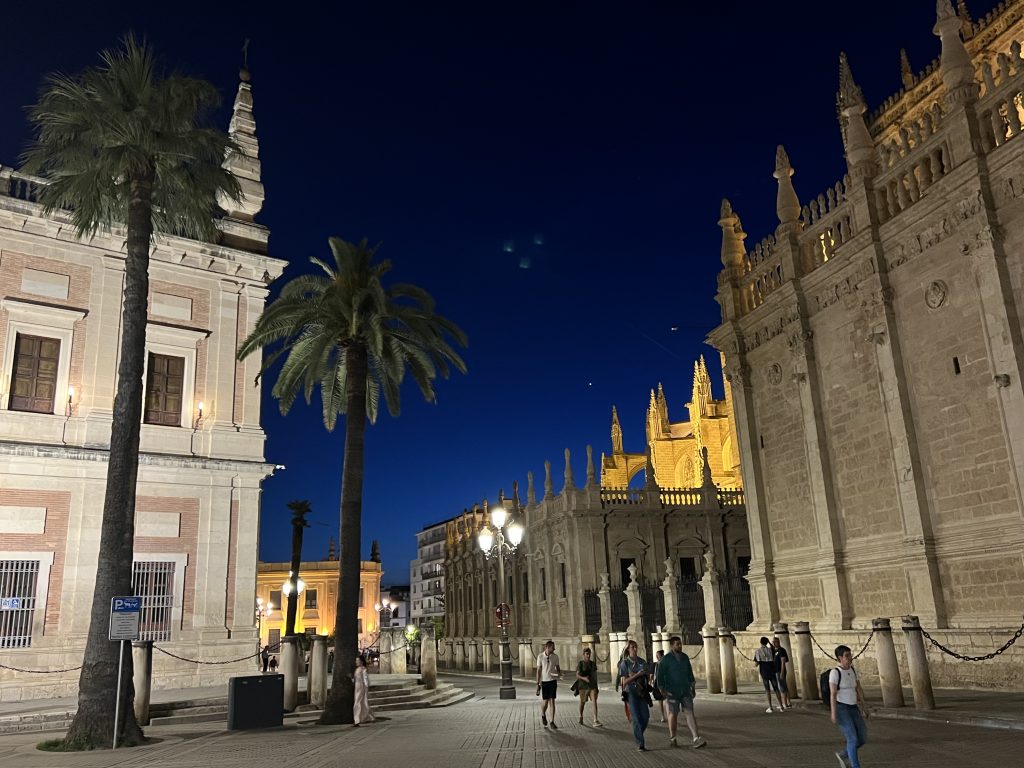
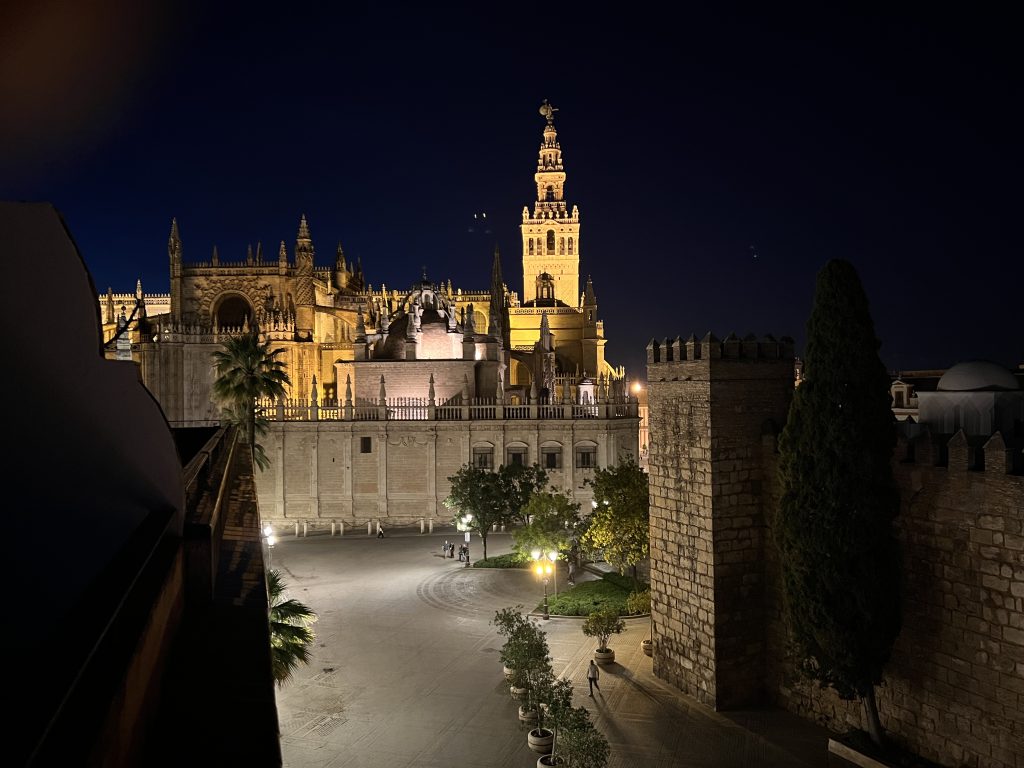
Nighttime scenes around the city are just as spectacular.
Evening at the Alcazar, Seville, SpainCathedral at Night
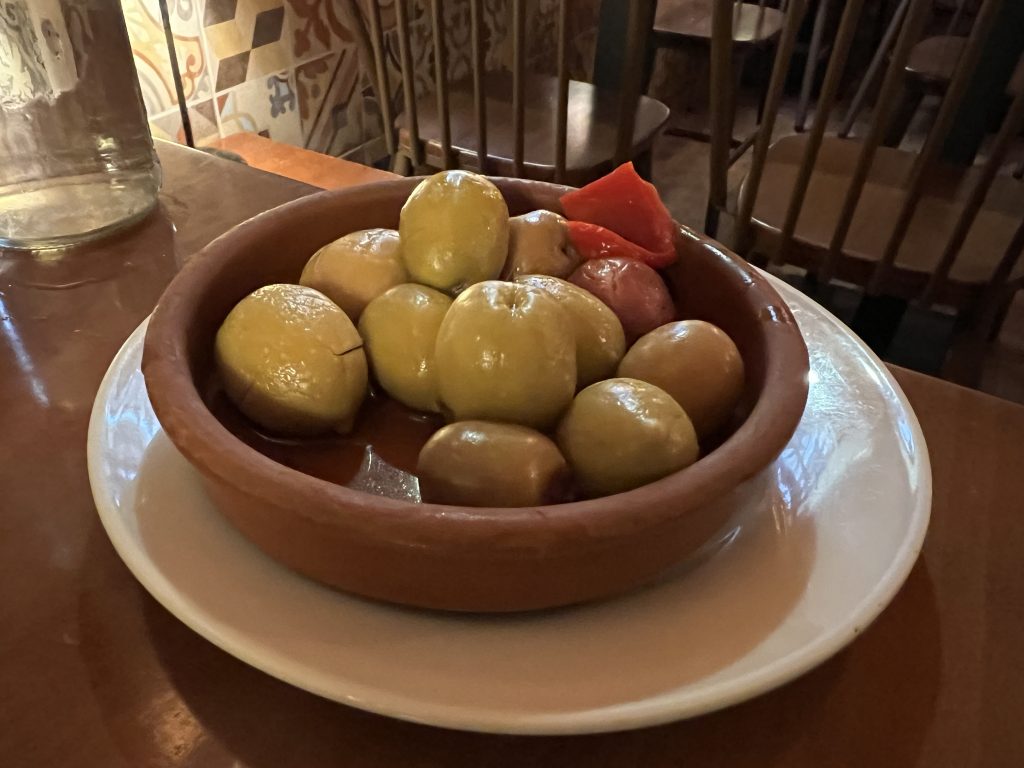
A simple tapas dinner and lots of walking around a lovely city makes us happy travelers.
A Dish of Spanish Olives
It’s Monday morning and the streets are still bustling – not only is Seville beautiful…it’s popular!
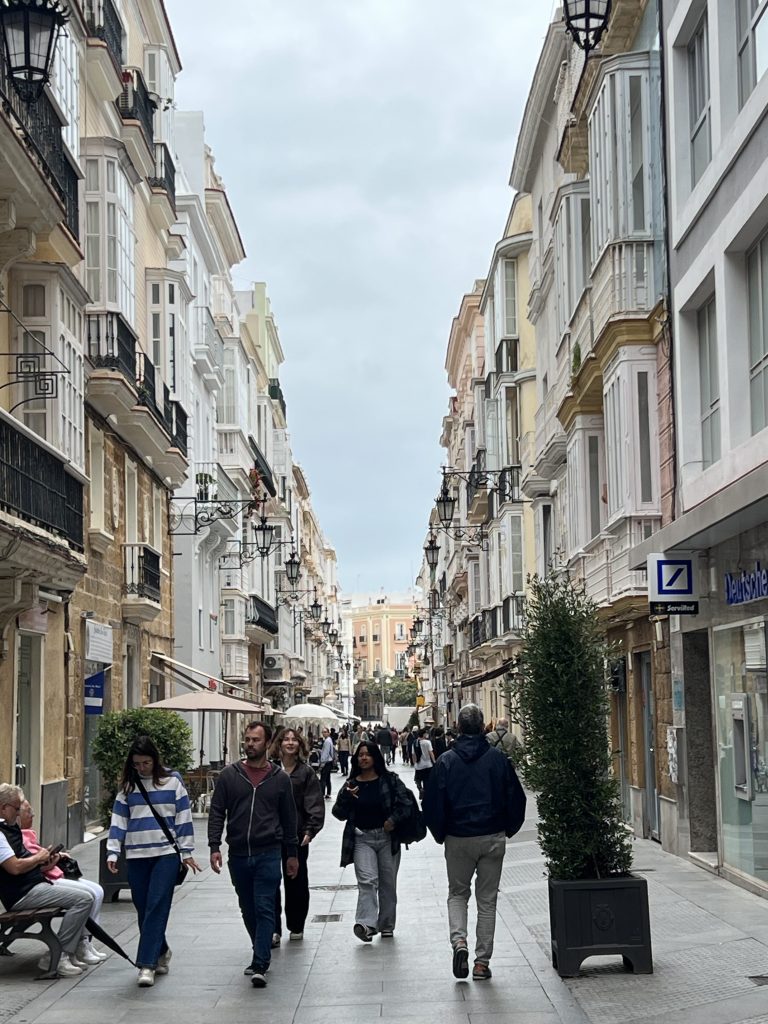
We’ve spent the last few days wandering around town. We really like this small city on the southern tip of Spain. It’s been fun to explore the streets and alleyways.
Main Street Cadiz
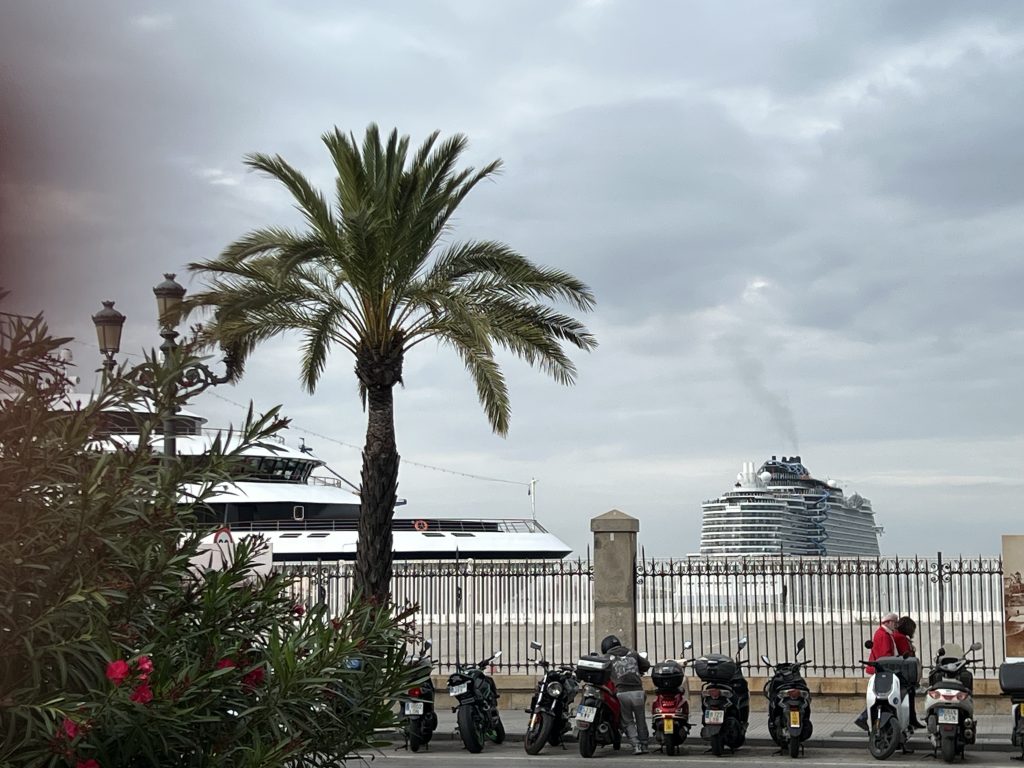
Cadiz is the last cruise ship stop on the Atlantic side of the Strait of Gibraltar. Each day there are a couple of large ships in the harbor, but it doesn’t seem to impact the city center much, as far as we can tell. Yesterday at the laundromat, we met a couple from Maryland who were doing laundry while on a 12-hour stop here in Cadiz. They were unhappy with their cruise as bad weather had diverted the ship from a stop in the Azores, a port that they most wanted to see. In the evening we watched as the apartment-building-sized-ship (on the right) departed while the smaller ship on the left was in port for a few more hours.
Cruise Ship Leaving Port
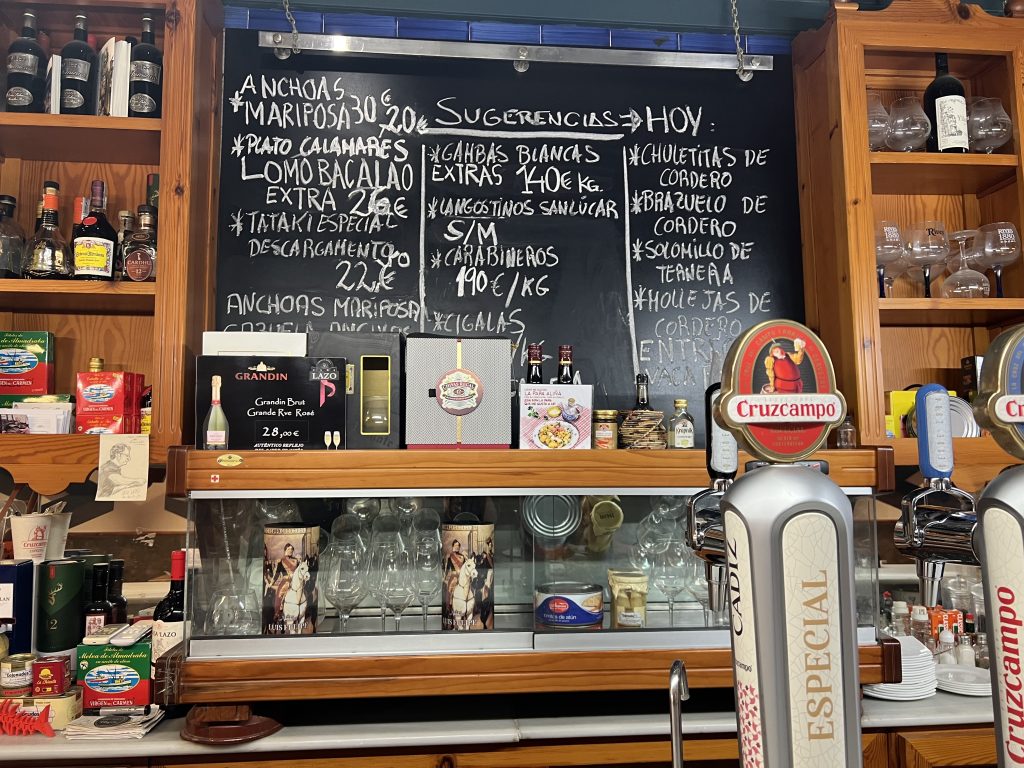
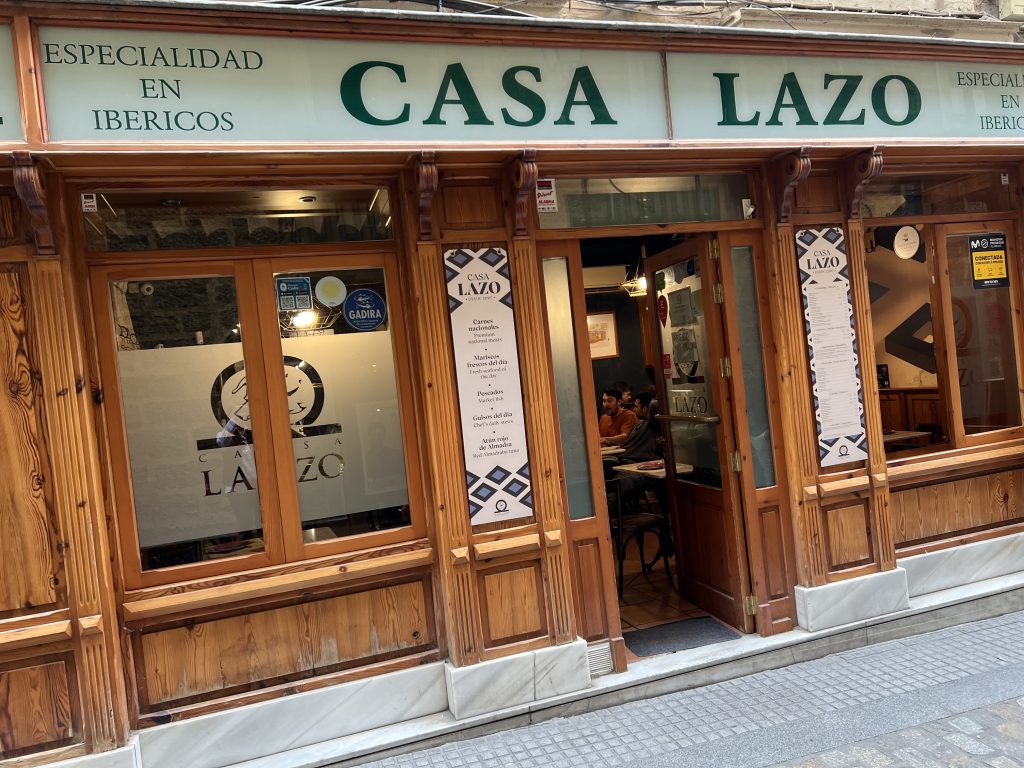
We were last here in 2021 when there was a lift of travel restrictions due to the pandemic…the contrast between then and now is interesting to us. We remembered a lunch we ate at Casa Lazo when there were only a few diners besides us in the restaurant and the owner looked sad and weary. On this visit, the restaurant was crowded and the cheerful owner was happy to know that we had returned for lunch 5 years later.
Casa Lazo, Cadiz, Spain
Perfectly grilled sea bass, croquettes, potato salad swimming in olive oil with parsley, and a slice of toffee-topped cheesecake was just the perfect meal.
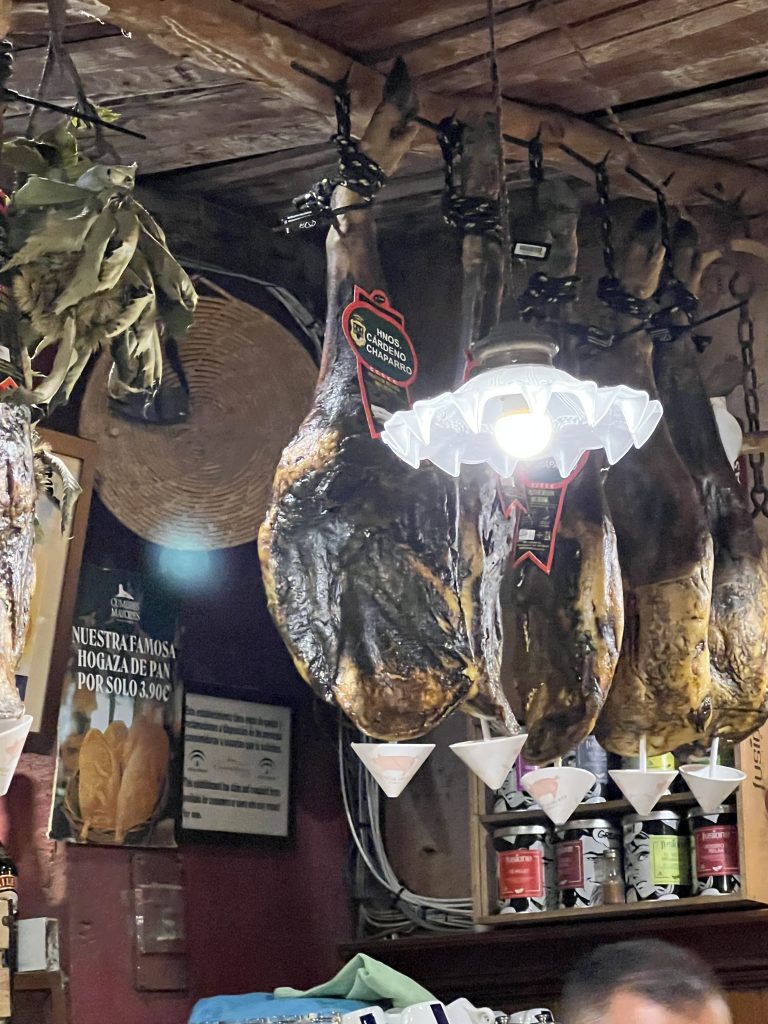
An excellent restaurant for tapas is Cumbres Mayores. Here, aged hams hang from the ceiling.
Hams at Cumbres Mayores
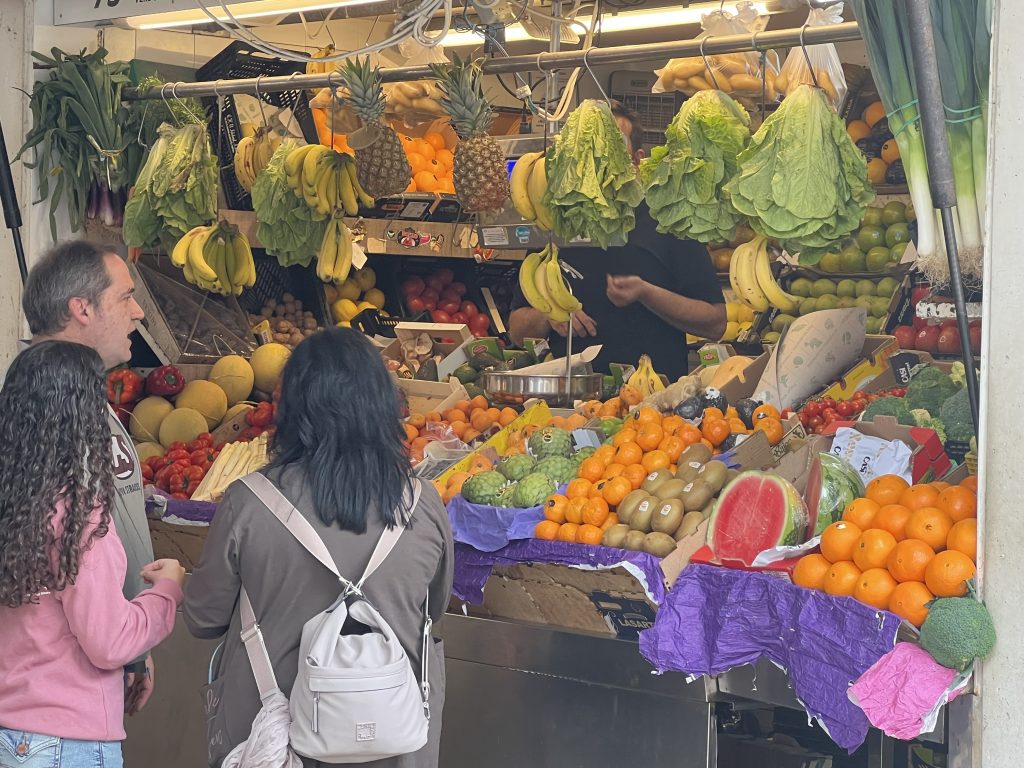
In addition to seafood and ham, Spain has excellent produce. The local market in Cadiz is filled with many choices for making a nice lunch or dinner in an apartment.
Produce in the Market
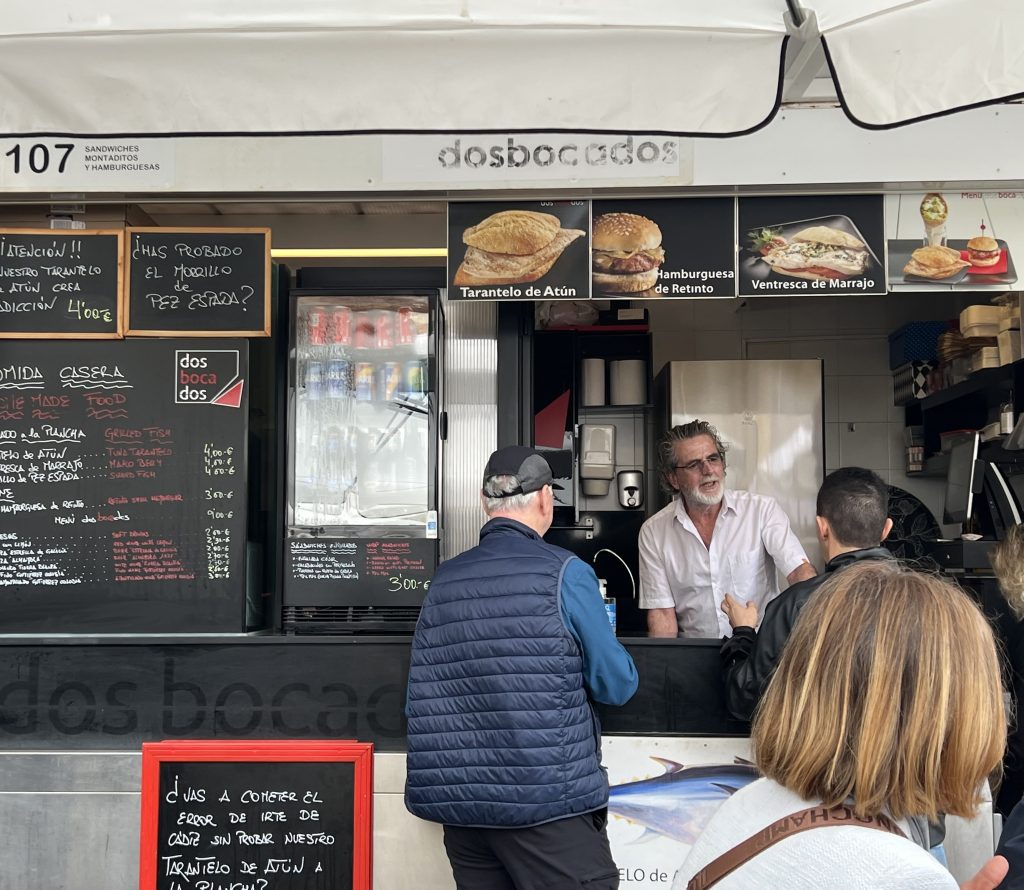
The market is also a great place for lunch…we especially like the tuna bocadillo supplied by another friendly owner that we remember from our past visit. The small sandwich is served warm with a slice of freshly grilled tuna. A paper cone filled with fried calamari is delicious too!
Waiting for Fresh Tuna
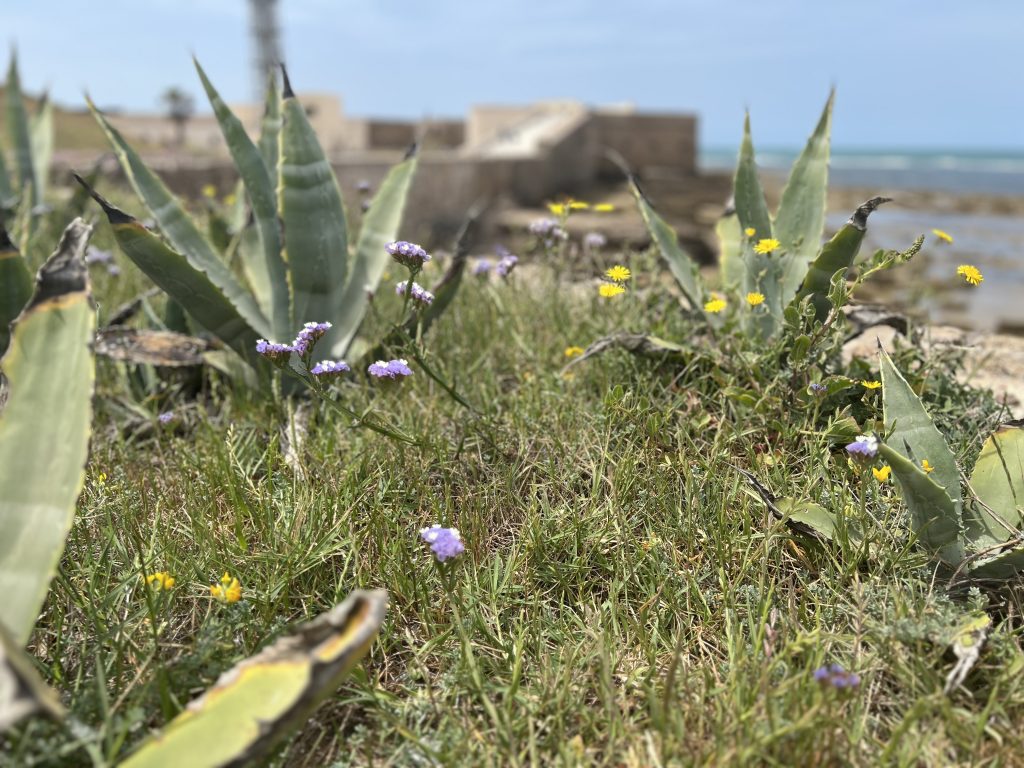
Cadiz is mostly surrounded by the sea with walkways by the water all around the city. There are churches, ancient forts, stops for a snack, access to beaches and parks along the way.
Castillo de Santa Catalina in the Background
Today is our last full day in the city. Temps have been cool with a little rain. Cadiz is a city we hope to return to…we like it here!
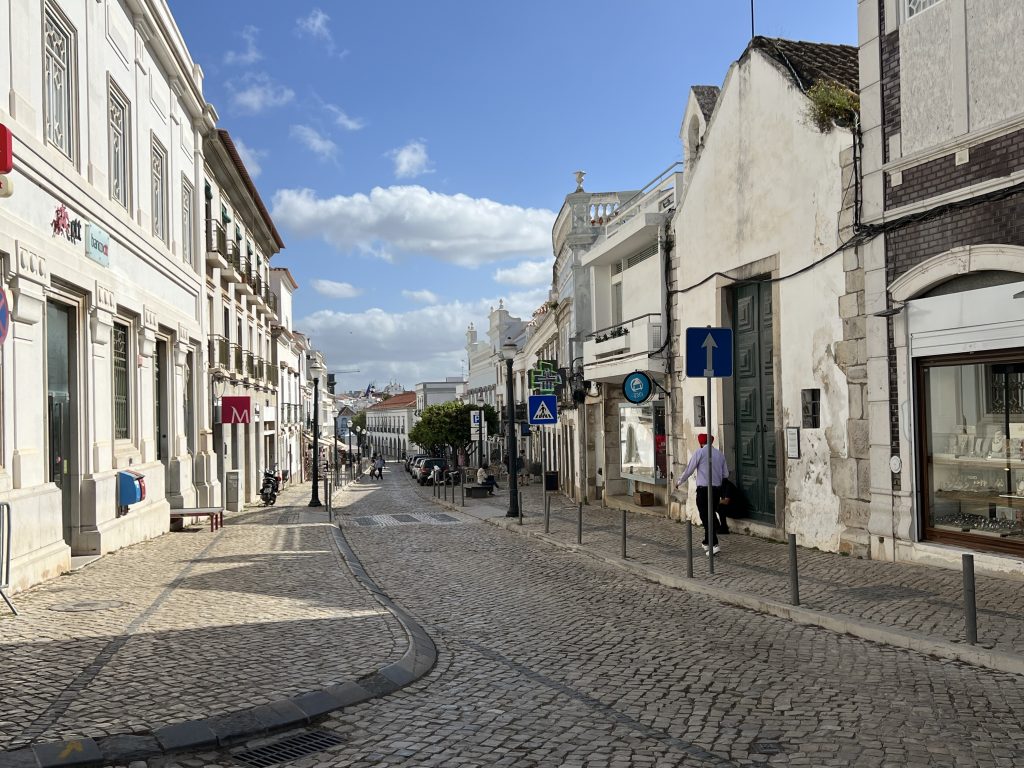
For us, Tavira was a town for leisurely walks and sitting on park benches. We didn’t go inside any one of the twenty-two churches (!!) in town nor the museum. We left town on Wednesday morning on our way to our next stop.
Main Street Tavira, Portugal
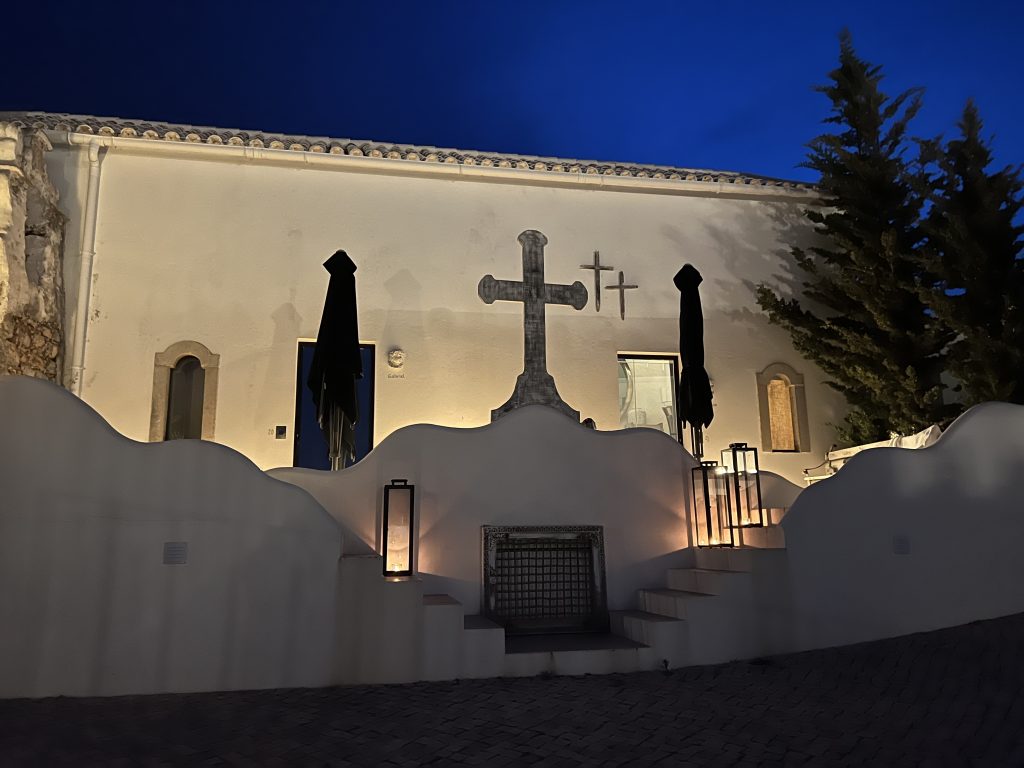
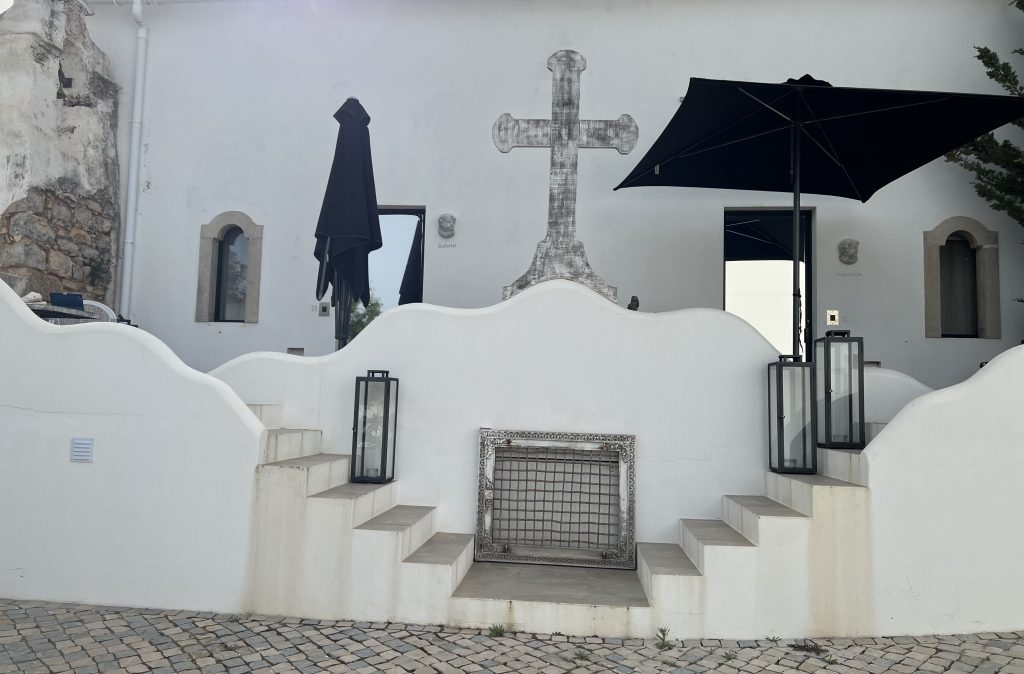
We’ll remember our quirky room in this former chapel (ours was the door on the left);
Tavira Hotel
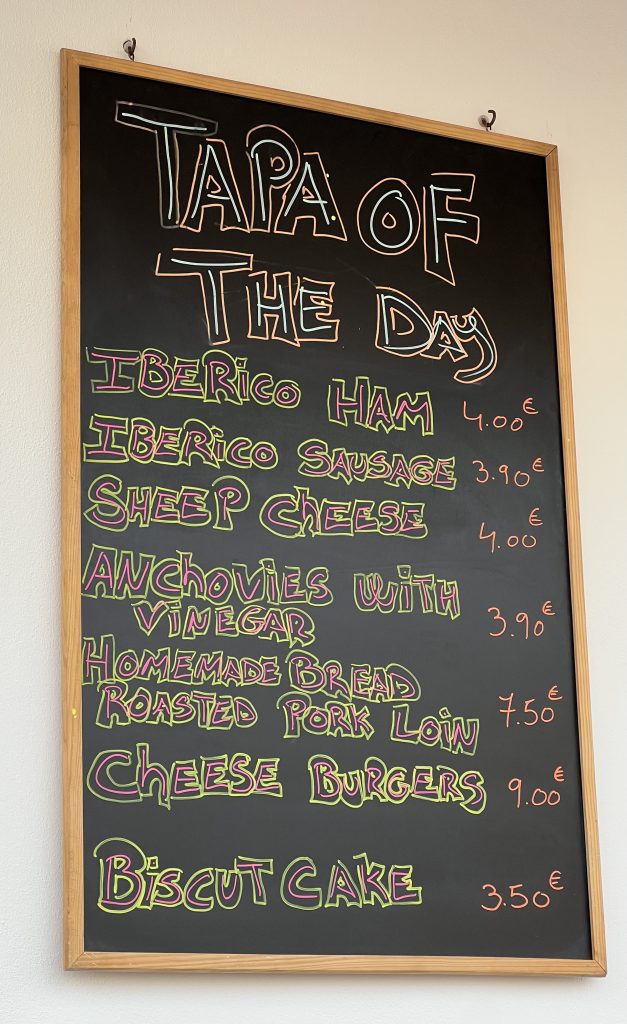
The simple and delicious tapas meals;
Menu of the Day
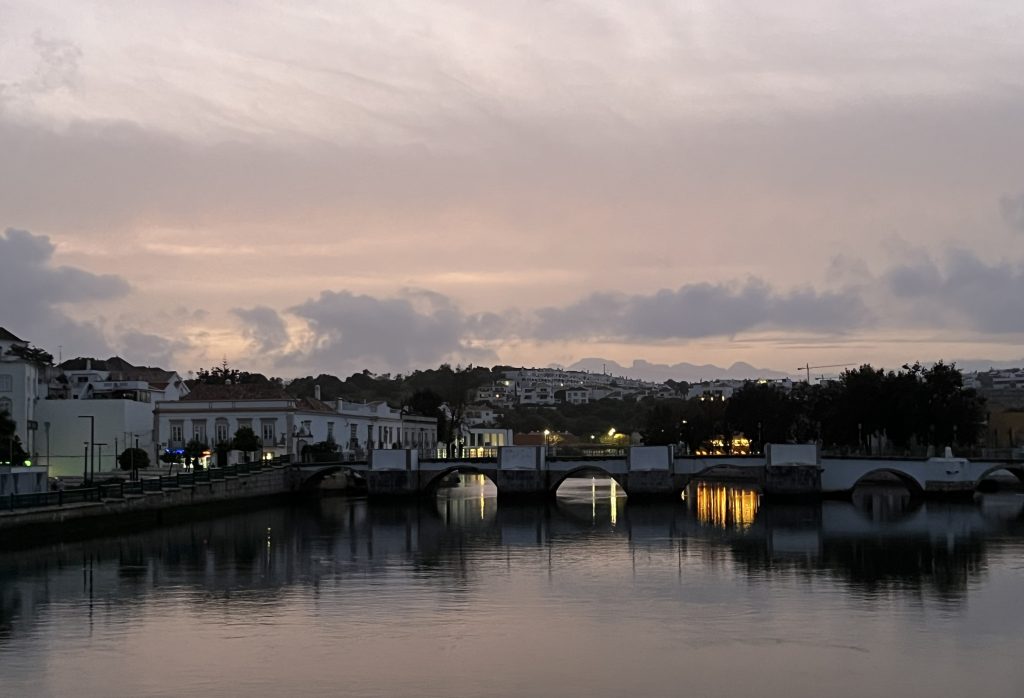
And the sun setting over the River Gilao.
Sunset in Tavira, Portugal
Wednesday we grabbed some ham, cheese and butter sandwiches as we left town on our way to Cadiz. The roads were good and the trip uneventful until we arrived in Cadiz. It’s not the sleepy town we remembered from a visit during a fall trip in the middle of the pandemic in 2021.
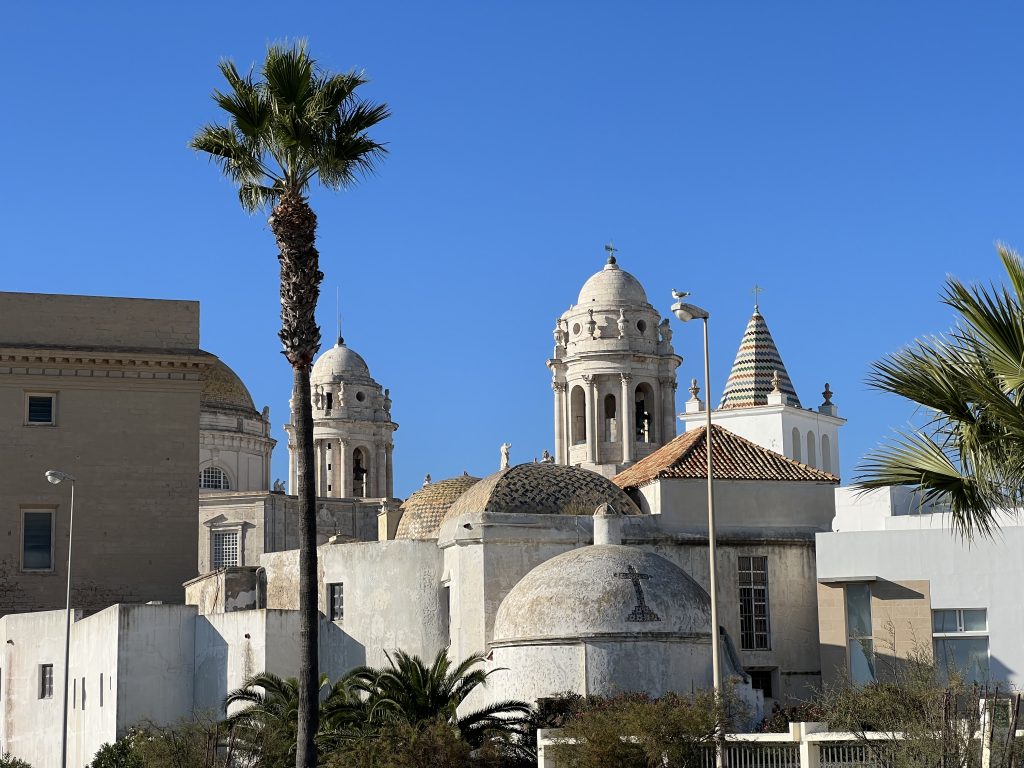
Cadiz, Spain in 2021
Now, it’s a bustling cruise port with mucho traffic. We managed to return the rental car and find our apartment near the city center. The apartment is small, quiet, and well-equipped and we will be comfortable here for the next few days. We are happy to be be back in Cadiz!
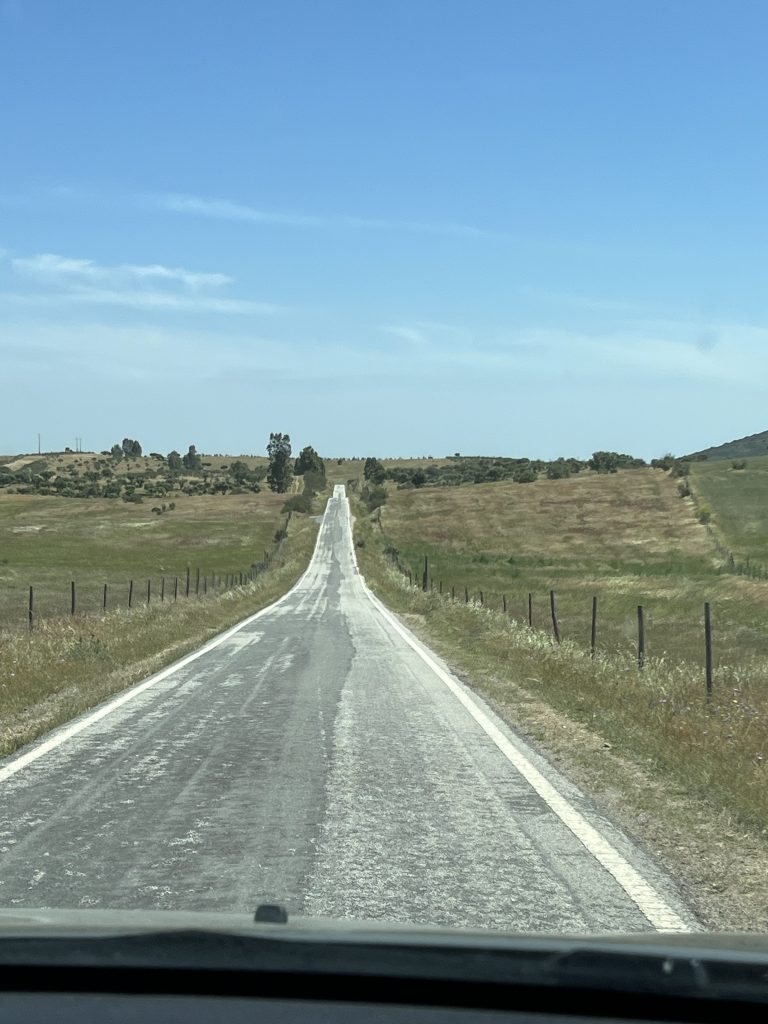
Most of the roads between Evora and Tavira were very good but there was one long stretch of roadway that was one-lane only and very hilly. It could have been a road in rural Iowa or Nebraska! Luckily we didn’t see another car on this stretch of road.
A Narrow Roadway – View From the Car
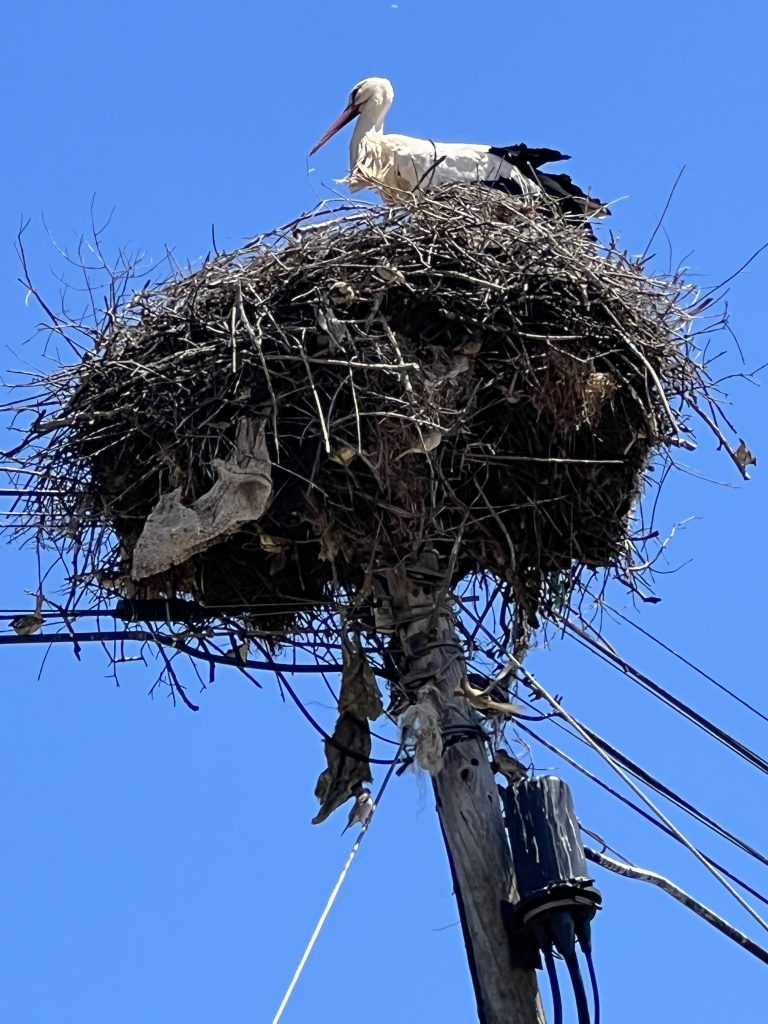
It was thrilling to see the many storks with nests high above the ground on tall poles. We read that many storks return to Portugal from Africa in April to build their nests.
Stork Nest
We arrived in Tavira in time for the freshly baked cake that the hotel chef makes for guests every afternoon. Our room is in a section of an old church and is decorated with many religious artifacts. It’s a small space and very impractically arranged. On the bright side, the breakfast is good and the staff members are kind.
Hotel in Tavira, Portugal
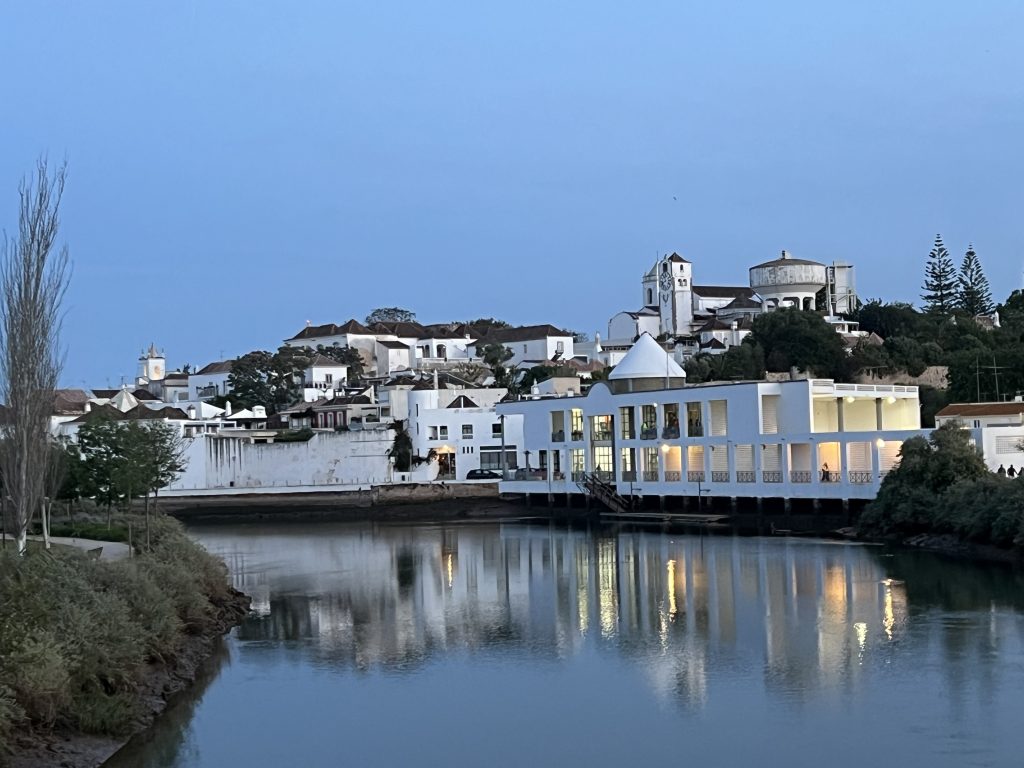
Tavira is a lovely city on the Gilão River. The houses are whitewashed and the streets made of cobblestones. It feels very much touristed but for a good reason – it’s compact, walkable, and there are many good seafood restaurants.
Tavira, Portugal
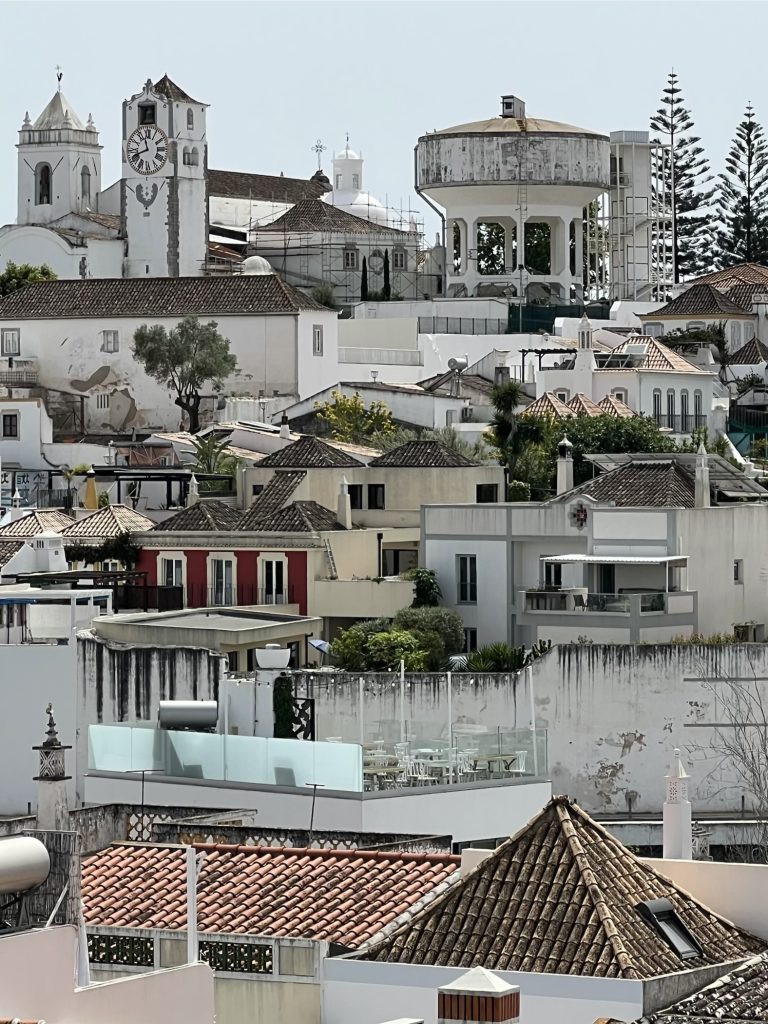
Today we walked uphill to the Torre de Tavira and Camera Obscura (Camera Obscura in the Tavira Tower.) We were the first and only guests so Clive, the British owner who constructed the camera, showed us the main sights in town via an early optical device called a ‘camera obscura’. Clive transformed an abandoned water tower into a dark space to project a live image of the town onto a circular canvas. He gave us a fascinating view of the city. The water tower with the Camera Obscura is in the top right corner (next to the church) the photo below. It was fascinating and Clive was an enthusiastic narrator.
Water Tower with Camera Obscura
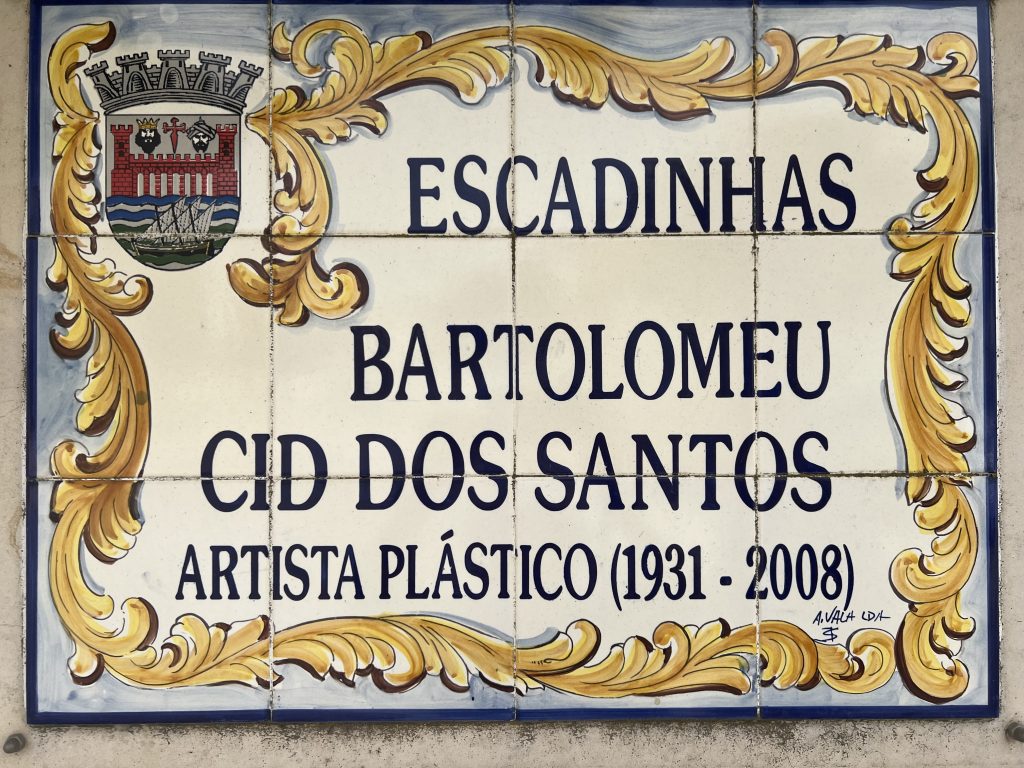
Around town, streets are marked with colorful signs like this one.
Street Signs Around Tavira
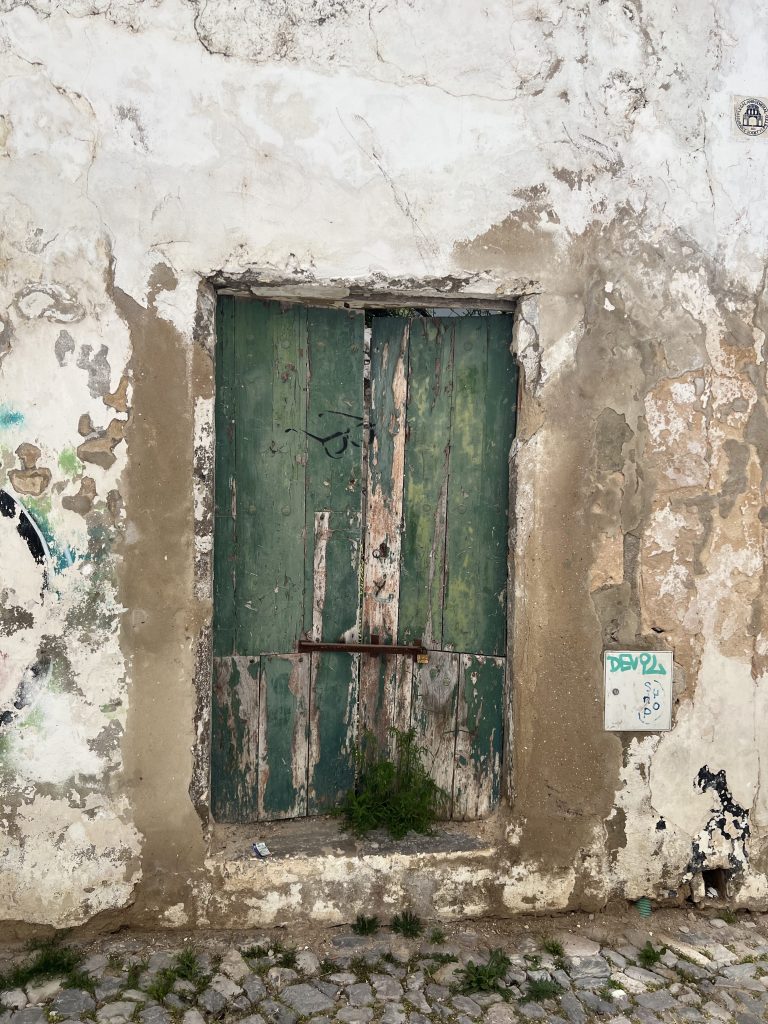
Not everything is pristine here, but it’s pretty close. We planned for three nights here and we have 2 more. Just enough!
To Be Renovated!?
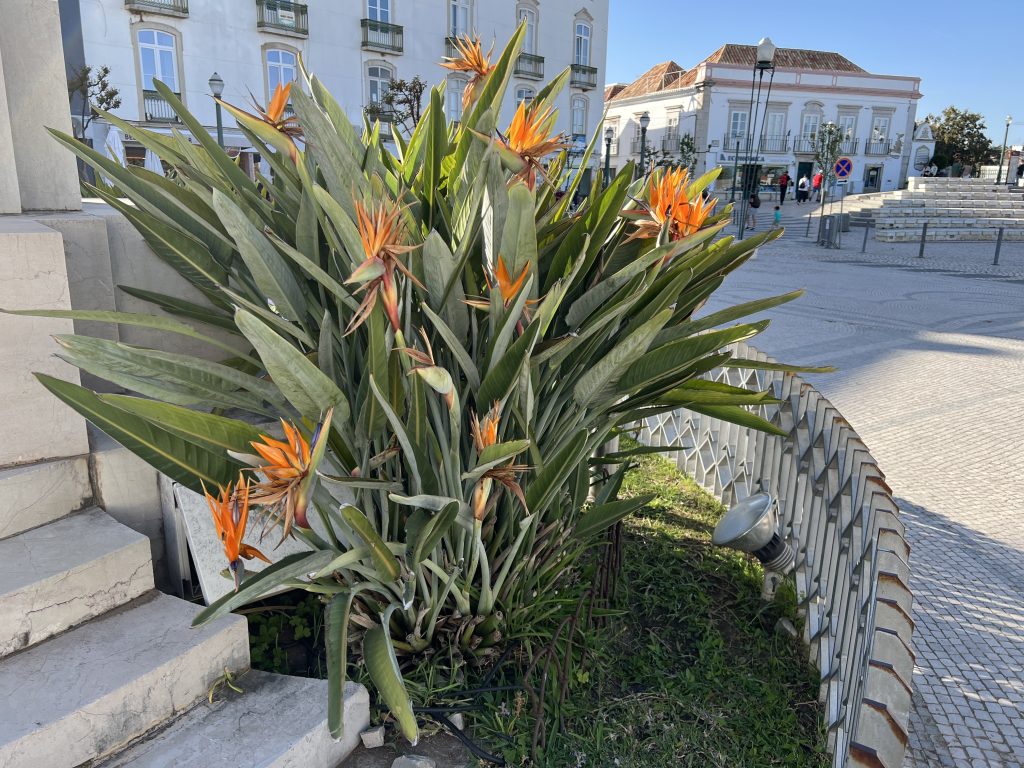
Spring flowers are blooming, the city is bustling, and there are plenty of shady parks for relaxing. We have learned that expats are here from Sweden, France, the United States and the U.K.
Tavira Birds of Paradise
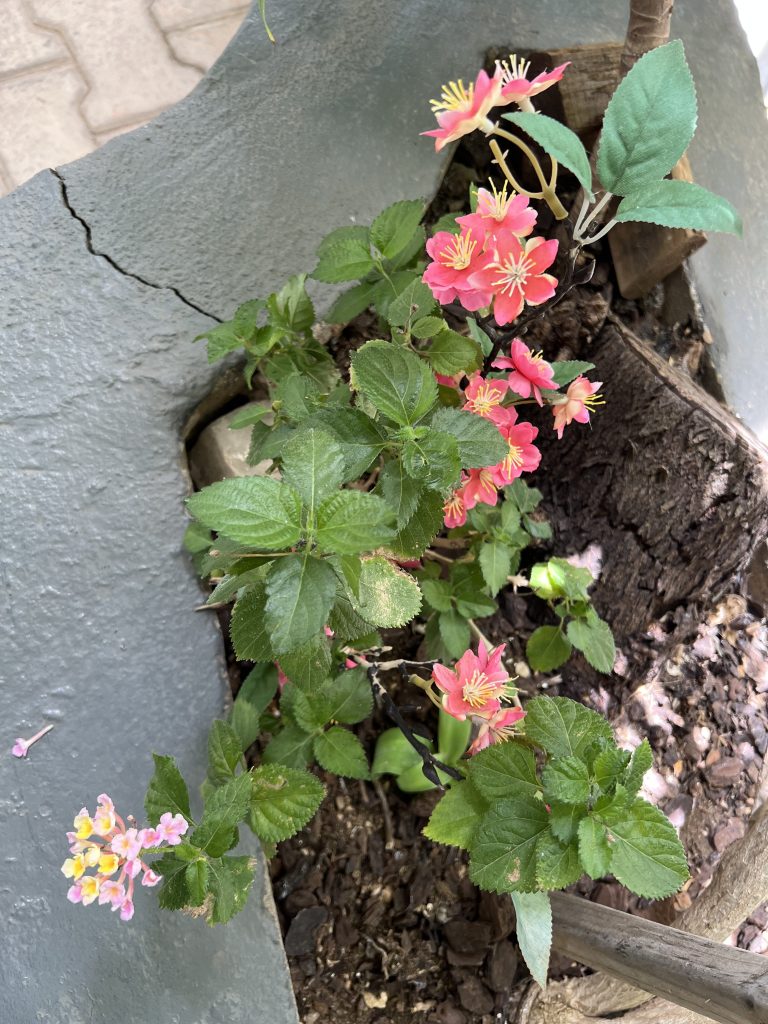
These flowers are so pretty that they almost look plastic (they’re not!)
Tavira Flowers
We’ll spend tomorrow seeing some of the sites that were closed today (Monday). On Wednesday we will dip back into Spain for a four night stay in Cadiz.